

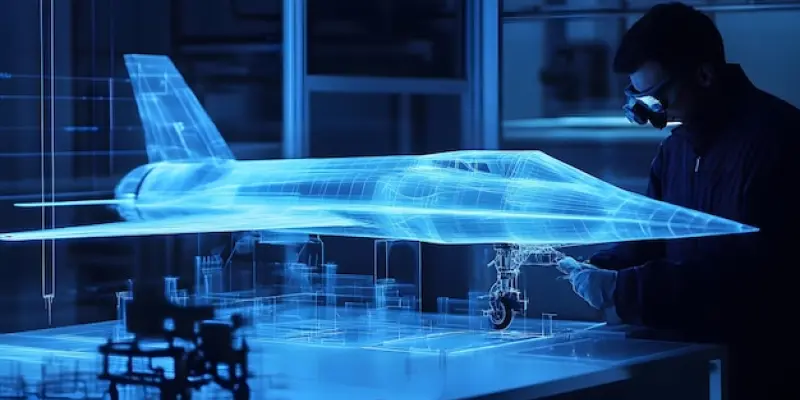
Digital twin technology is emerging as a cornerstone in the digital evolution of the aerospace and defense sectors. These virtual counterparts are transforming industry landscapes by establishing scalable and interoperable systems that enhance both operational efficiency and lifecycle management. With the interconnectedness required in modern aerospace environments, digital twins offer a virtual parallel to real-time operations, creating opportunities for optimized performance and innovation. Insights gathered from the Digital Twin Consortium reveal a forward-looking approach that emphasizes the need for a unified path in adopting these transformative technologies. Such strategic guidance underscores the importance of digital twins for efficiently navigating the complexities inherent in aerospace operations today.
Standards-Based Approaches
For digital twins to realize their full potential in the aerospace and defense sectors, the adoption of standards-based approaches becomes imperative. Such standards harmonize systems, allowing them to achieve seamless integration and empowering stakeholders to manage complexities while optimizing system outcomes. This collaborative endeavor reflects the necessity of addressing existing governance gaps and guiding digital twin development toward a cohesive structure. Within this framework, stakeholders must remain vigilant in evaluating existing protocols and make appropriate modifications that ensure alignment with the evolving needs of the aerospace industry. These efforts not only encourage innovation but also facilitate a smoother transition to digitalization by aligning stakeholders with common objectives that enhance efficiency and reduce operational barriers.
The merged efforts between stakeholders highlight the importance of establishing clear standards that allow diverse teams to collaborate effectively. By focusing on the development of adaptable governance frameworks, the aerospace industry can create synergy in its digital twin implementations, ensuring that they meet the precise requirements of various missions and applications. The pursuit of standardized approaches also reflects an industry-wide acknowledgment of the crucial role these technologies play in catalyzing transformation. As the aerospace sector becomes progressively interconnected, digital twins serve as a vehicle to streamline processes, revolutionizing traditional practices, and propelling the industry into a new era of precision and adaptability.
Transformation in Lifecycle Management
The integration of digital twins is revolutionizing lifecycle management within the aerospace industry, significantly impacting testing, certification, verification, and demonstration processes. These technologies are redefining traditional timelines by embedding virtual processes that allow for rapid prototyping and simulation at unprecedented speeds. This transformation is pivotal as it not only reduces lifecycle costs but also enhances product performance and availability. Through the precise mapping of a product’s lifecycle, digital twins facilitate an accelerated path from conception to execution, promoting innovation and agility across the industry. By capturing intricate data points, these technologies enable stakeholders to predict and mitigate potential issues before they arise, consequently enhancing reliability and streamlining operations.
Importantly, the integration of digital twins creates a robust framework that supports continuous improvement across the product lifecycle. By leveraging advanced analytics and real-time data, decision-makers can refine processes and optimize assets with a level of precision previously unattainable. This alignment of digital twin capabilities with lifecycle management processes ensures that aerospace innovations are both accelerated and informed by data-driven insights. The result is not only a reduction in development costs and timelines but also a leap forward in terms of quality and efficiency. As complexity in aerospace designs continues to rise, the precision and insight afforded by digital twins will remain instrumental in maintaining competitive advantage and delivering superior technology and service outcomes.
Growing Consensus on Standardization
Standardization has emerged as a key theme within the aerospace industry, driven by a consensus on the need for comprehensive standards and frameworks in digital twin development. As digital twin technology becomes widespread, evaluating and updating existing standards proves crucial for accommodating this new wave of technological advancement. The establishment of cohesive frameworks enables cross-functional integration, ensuring that digital thread capabilities align with the evolving landscape. By focusing on customizable collaboration, stakeholders can achieve effective and cost-efficient outcomes, reinforcing the strategic importance of standardization. This approach fosters an environment conducive to both innovation and practicality, harmonizing efforts across diverse entities to maximize the technology’s potential.
The collaborative nature of standardization efforts showcases the industry’s dedication to fostering an ecosystem that supports innovation and growth. Through robust guidelines and frameworks, aerospace organizations can ensure that various components work in tandem, creating a synergy that enhances product development and field implementation. This not only facilitates operational efficiencies but also positions the industry to meet future challenges head-on. By systematically addressing existing gaps and preparing for emerging needs, the industry positions itself for sustained growth, signaling a robust commitment to maintaining its competitive edge through coordinated and cohesive digital advancements.
Cybersecurity Concerns
Cybersecurity emerges as a pivotal concern in the digital twin implementation landscape, given the dynamic and continuously evolving threat environment. Adoption of robust security architectures tailored to specific environments and risk profiles is essential. Such measures ensure the protection of sensitive data and operations from emerging threats. A proactive approach to cybersecurity must be embedded from the conceptual stages of digital twin programs to fortify the digital ecosystem against vulnerabilities exposed by advances in technology. The focus is on creating resilient systems that not only counteract current threats but also anticipate future risks, safeguarding data integrity and operational continuity. This necessitates a continuous cycle of assessment, adaptation, and reinforcement, where cybersecurity strategies evolve in lockstep with technological advances and emerging threats. Frequent evaluation of security measures in conjunction with technological developments ensures that digital twin systems retain their integrity and reliability throughout their lifecycle. Adequate protection of these virtual models is critical, given their role in connecting physical assets and operational data. By embedding cybersecurity early in the design process, organizations can mitigate potential risks and prepare digital twin systems for their comprehensive role in complex operational environments, ultimately ensuring sustainability and resilience in deployment and functionality.
Recommendations by Industry Leaders
The collective advice of industry leaders, drawing from Digital Twin Consortium insights, proposes several actionable strategies for optimizing digital twin systems. This expert guidance stresses the importance of assessing existing standards and identifying gaps to ensure the seamless integration and interoperability of digital twin technologies, especially for complex System of Systems digital twin initiatives. Automated model calibration is recommended to adapt dynamically to fluctuating variables and scenarios, ensuring that the digital reflection accurately mirrors its physical counterpart over time. These practical pathways, informed by industry experts like Brian Schmidt and David Shaw, offer a strategic roadmap for digital twin success.
Furthermore, the focus on automating model calibration highlights the industry’s intent to embrace technological advancements that allow for dynamic adaptation and enhanced precision. By instituting clear and measurable success criteria, stakeholders can assess the effectiveness of digital twins, ensuring that performance expectations are consistently met under varying environmental and operational conditions. These recommendations underscore the industry’s dedication to fostering an environment of innovation, where digital twin systems not only meet current operational demands but also anticipate future challenges and opportunities, setting the stage for sustained growth and contribution to broader aerospace objectives.
Industry-Wide Digital Transformation
To fully leverage digital twins in aerospace and defense, embracing standards-based methods is essential. Standards unify systems for seamless integration, enabling stakeholders to manage complexities and optimize outcomes. It’s crucial to address governance gaps, guiding digital twin growth toward a unified structure. Within this structure, stakeholders must continuously assess existing protocols, adapting them to align with the aerospace industry’s evolving demands. Such efforts not only spur innovation but also make the digitalization process smoother by aligning stakeholders with shared goals that boost efficiency and minimize operational barriers.
Collaboration among stakeholders underscores the need for clear standards to foster effective teamwork. By crafting flexible governance frameworks, the aerospace industry can synchronize digital twin efforts, meeting various mission and application requirements. The push for standardized methods emphasizes the transformative role of digital twins in the industry. As aerospace becomes increasingly interconnected, digital twins streamline operations, revolutionizing traditional methods, and ushering the industry into a new era of precision and flexibility.