

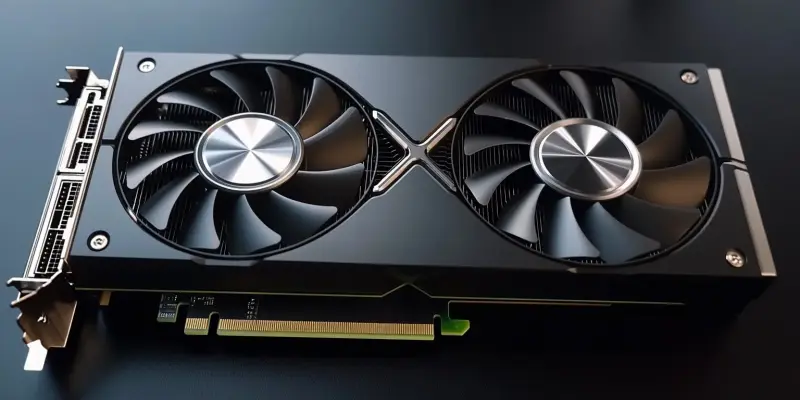
In an unexpected turn of events, Nvidia has admitted that a small batch of their cutting-edge RTX 50 series graphics cards was shipped with fewer Render Output Units (ROPs) than advertised. This problem, attributed to a factory defect, impacts less than 0.5% of the GPUs produced, specifically affecting the RTX 5090, RTX 5090D, and RTX 5070 Ti models. TechPowerUp’s meticulous investigation confirmed that the missing ROPs could result in a notable performance decrease of up to 4%. This revelation raises serious concerns among consumers and industry analysts, especially since Nvidia’s statement asserts that AI or Compute workloads remain unaffected but advises impacted consumers to contact board manufacturers for replacements. The guidance, amid prevailing supply issues, particularly for the high-end 5090 series, leaves many users grappling with uncertainty and frustration.
Impact of Missing ROPs on Performance
The Render Output Units (ROPs) play a crucial role in a GPU’s ability to process and render images efficiently. Nvidia’s admission about a factory defect leading to fewer ROPs than advertised is significant, as it affects the RTX 5090, RTX 5090D, and RTX 5070 Ti models. TechPowerUp’s investigation reveals that this hardware shortcoming can lead to a performance decrease of up to 4%. While 4% might seem minor to some, enthusiasts and professionals relying on peak performance for gaming, rendering, or other graphics-intensive tasks may find this decrement unacceptable. This defect means the real-world experience of using affected GPUs will not align with the performance benchmarks and expectations set during the launch. Moreover, Nvidia’s assurance that AI and Compute workloads remain unaffected provides little solace to a significant segment of its user base focused on gaming and creative applications.
Challenges in Securing Replacements
Nvidia’s advice for affected consumers to seek replacements from board manufacturers turns out to be easier said than done. In an already pressurized market, wherein supply chains are stretched thin, securing a replacement part—especially for high-end models like the RTX 5090 series—is a daunting task. Consumers find themselves in an unpleasant predicament: either they navigate a potentially lengthy and exhausting replacement process or settle for less-than-optimal GPU performance. Nvidia acknowledged the production error, but delaying the disclosure until now only adds to the frustration of users who invested significantly in these high-end graphics cards. The company’s decision not to issue a recall, opting instead for piecemeal guidance directing customers to board partners for replacements, exacerbates the situation, offering scant assurance to those affected. The limited availability of replacement units compounds the difficulty, leaving users in a lurch.
Long-Term Implications for Nvidia and Consumer Trust
The defect and subsequent handling of the issue cast a significant shadow over the RTX 50 series launch. Already under scrutiny for lackluster performance improvements and steep prices, this latest problem exacerbates criticism. Nvidia, known for cutting-edge technology and reliability, faces a setback, potentially diminishing consumer trust in its future products. The company’s statement that the factory defect has been corrected in future shipments offers little comfort to those stuck with the faulty units currently on the market. Consumers now question the quality control processes that missed the defect initially and the transparency in Nvidia’s communication. Despite assurances that future products are defect-free, immediate concerns persist, casting a cloud over the RTX 50 series launch and raising doubts about production quality and customer support readiness.
Nvidia must take more decisive actions to fix the situation and regain consumer confidence. While a formal recall might have provided a clearer resolution, the current strategy is insufficient. Enhancing quality control and ensuring clear, timely communication with consumers will be crucial. This incident’s impact will likely influence Nvidia’s strategies and consumer expectations for some time. Lessons from this event could shape the future of their product development and customer service practices.