

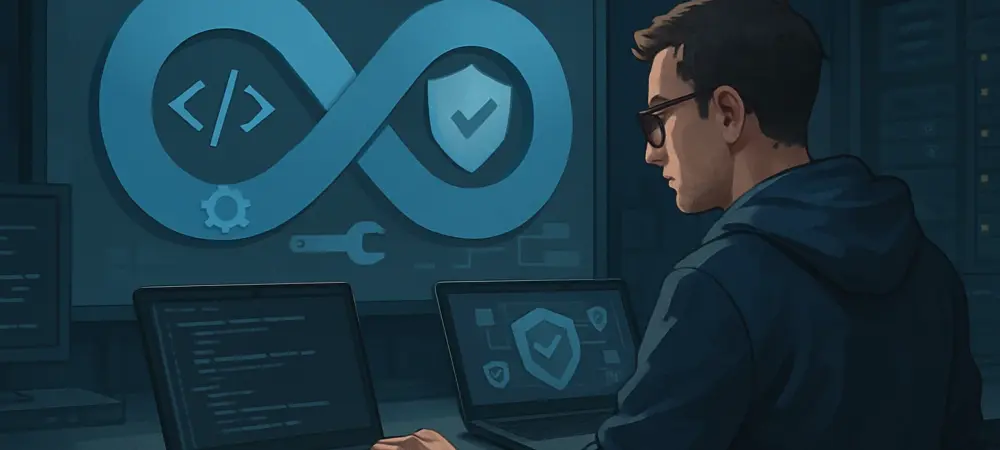
Today, we’re thrilled to sit down with Dominic Jainy, a seasoned IT professional whose deep expertise in artificial intelligence, machine learning, and blockchain also extends into the critical realm of DevSecOps. With a passion for merging cutting-edge technology with secure development practices, Dominic has been at the forefront of helping organizations balance the relentless pace of software delivery with robust security measures. In this interview, we dive into the practical side of DevSecOps, exploring how to seamlessly integrate security into fast-moving workflows, the power of automation, the importance of a risk-based mindset, and the often-overlooked role of culture in building secure software. Let’s get started.
How would you describe DevSecOps in simple terms to someone new to the concept?
DevSecOps is essentially about baking security into every step of the software development process, rather than tacking it on at the end. It’s a way of working where developers, operations teams, and security folks collaborate from the get-go. Think of it as making security a natural part of building software, just like writing code or testing for bugs, so you’re not slowing down to “fix” things later.
What makes DevSecOps stand out compared to older, more traditional security methods in software development?
Traditional security often came as an afterthought—something handled by a separate team right before a release or after a problem popped up. It was like locking the door after the house was already built. DevSecOps flips that by integrating security from day one, embedding it into the tools and workflows developers already use. This proactive approach catches issues early, reduces last-minute scrambles, and honestly, saves a lot of headaches.
Why do you think there’s often a clash between the need for speed and ensuring security in today’s software teams?
It comes down to competing priorities. Development teams are under pressure to ship features fast to stay competitive or meet customer demands. Security, on the other hand, often requires slowing down to analyze risks or fix issues, which can feel like a roadblock. Without a shared mindset or the right tools, it’s easy for teams to see speed and security as a zero-sum game, where one has to lose for the other to win.
Can you walk us through what ‘shift left’ means in the context of security, and why it matters?
‘Shift left’ means moving security practices earlier in the development lifecycle—ideally, starting when the code is being written. Instead of waiting for a big security review before deployment, you’re running checks during coding or at pull requests. It matters because catching vulnerabilities early is cheaper and faster to fix. It’s like finding a crack in the foundation while you’re still building, rather than after the whole house is up.
How can teams make security checks feel like a natural part of a developer’s daily routine instead of an extra burden?
It starts with integration. Use tools that plug directly into the developer’s environment—like IDE plugins or CI/CD pipelines—so security scans happen automatically as they code or commit. Also, keep feedback fast and actionable; no one wants to wait 30 minutes for a vague report. Finally, frame it as part of writing quality code. When developers see a security fix as a win, not a chore, it becomes second nature.
Why is automation such a game-changer for security in high-speed development environments?
Automation takes the grunt work out of security. In fast-paced teams, there’s no time for manual reviews of every line of code or dependency. Automated tools can scan for vulnerabilities, flag issues, and even suggest fixes in real-time without stopping the flow. It’s like having a safety net that lets developers move quickly while knowing risks are being watched. Without it, you’re either slowing down or gambling with security.
How do you decide which security issues need urgent action versus those that can be addressed later?
It’s all about risk and impact. I look at the severity of the vulnerability—how easy is it to exploit, and what’s the potential damage? A critical flaw that could expose customer data gets immediate attention, while a low-risk issue in a non-critical system might be tracked for a later fix. It’s also about context; if a vulnerability affects a core business feature, that bumps up its priority. Asking, “What’s the cost if this gets exploited tomorrow?” helps focus efforts where they matter most.
What role does culture play in making DevSecOps successful, beyond just having the right tools?
Culture is everything. You can have the best tools, but if developers see security as someone else’s problem, they won’t engage. A strong culture means everyone feels ownership over security—it’s not just the security team’s job. Encouraging collaboration, celebrating when secure practices prevent issues, and providing hands-on training tailored to the team’s projects all help. When people feel empowered rather than policed, they’re more likely to prioritize security naturally.
Can you share a memorable example of a time when automation caught a security issue that might have slipped through otherwise?
Absolutely. A few years back, I was working with a team on a web app, and we had automated dependency scans integrated into our pipeline. One day, the tool flagged a critical vulnerability in a third-party library we were using. It was a known exploit that could’ve allowed remote code execution. Without that automated alert, we might’ve missed it during manual reviews and shipped the app with a gaping hole. It was a wake-up call about how much we rely on automation to catch what the human eye can’t.
Looking ahead, what’s your forecast for the future of DevSecOps as software development continues to evolve?
I see DevSecOps becoming even more embedded in how we build software, especially as cloud-native and AI-driven development grow. Tools will get smarter, using machine learning to predict vulnerabilities before they’re even coded. I also think we’ll see tighter integration across the entire lifecycle, from code to runtime, with security becoming invisible yet omnipresent in workflows. But the real shift will be cultural—teams will increasingly view security as a core driver of innovation, not a constraint, as the cost of breaches keeps rising.