

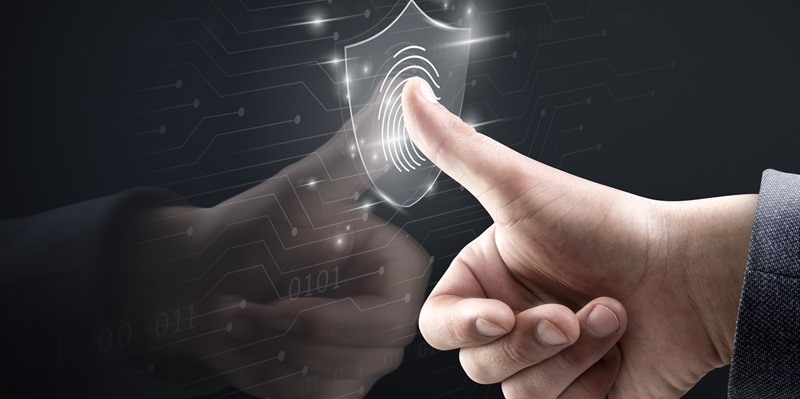
In an era of increasing cyber threats, biometric authentication offers unique advantages over other credential-based methods. However, concerns about novel attacks and privacy have posed barriers to its adoption. This article explores the challenges faced by organizations, focusing on deepfake attacks and phishing scams targeting C-level executives. Additionally, we delve into the emergence of Badge Inc.’s groundbreaking authentication technology, which renders traditional methods obsolete while enforcing the foundational elements of zero trust and safeguarding personally identifiable information (PII) and biometric data.
The Threat of Deepfake Attacks
Deepfake technology has become a potent tool in the hands of cyber attackers. An alarming example is the case of Zscaler CEO Jay Chaudhry, who revealed that a deepfake of his voice was created to extort funds from the company’s India-based operations. This incident underscores the sophistication and potentially devastating impact of deepfake attacks on organizations.
Phishing Scams Targeting CEOs
Phishing scams continue to pose significant risks to organizations, specifically targeting C-level executives. Shockingly, nearly one in three CEOs and senior management members has fallen victim to these scams, either by clicking on malicious links or inadvertently sending money to attackers. This highlights the vulnerability of high-ranking officials and the urgent need for robust cybersecurity measures.
Targeting C-Level Executives with Biometric and Deepfake Attacks
C-level executives, due to their prominent roles and access to sensitive information, are prime targets for both biometric and deepfake attacks. Research reveals that they are four times more likely to fall victim to phishing attacks compared to other employees. As such, it is vital for organizations to prioritize the security of their top-level executives, adopting stringent measures to safeguard against these targeted threats.
Future Demands for Rigorous Security Standards
As cyber threats continue to evolve, it is predicted that the year 2024 will witness heightened demand for more rigorous security standards. Organizations and individuals alike will prioritize security, privacy, and device interaction, as the interconnected nature of our society necessitates robust protection measures. Stricter standards will play a crucial role in minimizing vulnerabilities and staying one step ahead of cybercriminals.
Badge Inc.’s Innovation in Authentication Technology
Badge Inc. has recently unveiled a revolutionary authentication technology that eliminates the need for traditional PII and biometric credential storage methods. Their pioneering approach renders personal identity information and traditional biometric data storage obsolete. This breakthrough promises a more secure and efficient authentication solution for organizations across various threat surfaces and devices.
Enroll Once, Authenticate Anywhere Workflow
A key feature of Badge’s technology is its “enroll once and authenticate on any device” workflow. This scalable approach streamlines authentication processes for enterprises, offering convenience and efficiency for users. With this workflow, employees no longer need to manage multiple credentials or face authentication challenges when working across different devices.
Enforcing Zero Trust and Protecting Biometric Data
What sets Badge’s approach apart is its alignment with the foundational elements of zero-trust security. By minimizing data access and not storing user secrets or personally identifiable information (PII), Badge ensures the protection of sensitive information, including all forms of biometric data, from potential breaches. This comprehensive security approach offers organizations a resilient defense against evolving cyber threats.
Private Keys Derived from Biometrics and Choice Factors
Badge’s patented technology enables users to generate private keys instantly using their biometrics and preferred factors. This eliminates the need for hardware tokens or secrets, providing a more convenient and secure approach. By leveraging biometric data as an authentication factor, Badge ensures a stronger and more reliable verification process.
The Core Role of Badge’s Technology in Zero Trust
The technology developed by Badge Inc. plays a core role in the implementation of zero trust principles. By reducing data access and minimizing the storage of user secrets and PII, Badge’s solution significantly mitigates the potential impact of data breaches. This approach harmoniously combines advanced security measures with user convenience, laying the foundation for a more resilient and interconnected future.
Biometric authentication offers a compelling solution for organizations seeking stronger security measures. However, concerns about novel attacks and privacy have slowed its adoption. As deepfake attacks and phishing scams continue to target C-level executives, organizations must prioritize the security of their leadership teams. The emergence of Badge Inc.’s authentication technology presents a groundbreaking solution. By enforcing zero-trust principles and protecting PII and biometric data, Badge offers a comprehensive defense against evolving cyber threats. As we move towards a more interconnected society, the demand for rigorous security standards will drive innovation and secure our digital future.