

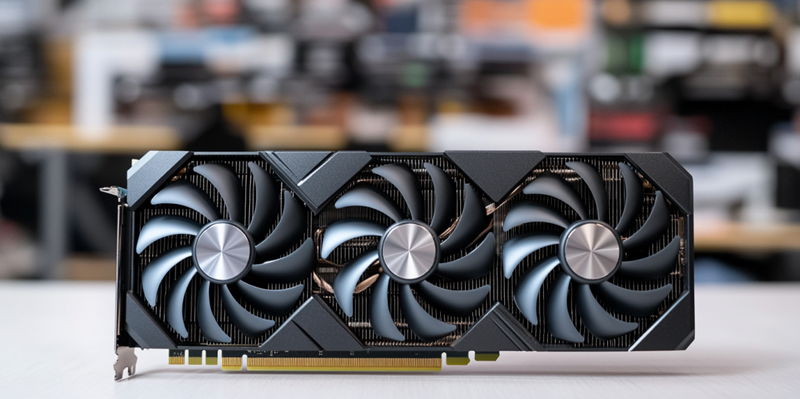
The graphics processing unit (GPU) market has recently seen a significant downturn, marked by a noticeable decrease in sales as PC gamers eagerly anticipate the upcoming next-generation graphics cards from AMD and Nvidia. According to Jon Peddie Research (JPR), the third quarter of 2024 witnessed a drop in the sale of discrete graphics cards, with only 8.1 million units sold. This figure represents a 7.9% decrease from the same period in 2023 and a more striking 14.5% reduction from the second quarter of 2024. Typically, the third quarter is known for robust GPU sales, driven by high demand from gamers and tech enthusiasts. However, this year has been an exception, reflecting an uncharacteristic slump in the market.
This decline in GPU sales can be largely attributed to the anticipation surrounding the release of next-generation graphics cards. With Nvidia’s RTX 5000 series and AMD’s RDNA 4 expected to debut at CES 2025, gamers appear to be delaying their purchases in favor of these advanced models. Despite some notable successes in recent GPU releases from both AMD and Nvidia, the upcoming models have captured the interest of the gaming community, who are eagerly waiting for the enhanced performance and features promised by these new entries. This trend of postponing purchases has had a direct impact on the current market, resulting in lower sales figures.
Shifts in Market Share
In addition to the decline in overall sales, there have been notable shifts in the market shares of leading GPU manufacturers. Nvidia has managed to consolidate its dominance in the discrete GPU market, increasing its share to 90% in the third quarter of 2024 from 88% in the previous quarter. This growth comes at the expense of AMD, whose market share has dwindled from 12% to 10% over the same period. Just a year ago, AMD held a 17% share in the market, indicating a significant year-over-year decline. The diminishing influence of AMD in the discrete GPU space is a clear indicator of the competitive pressures at play.
Meanwhile, Intel’s entry into the standalone GPU market with its Arc series has not significantly disrupted the dynamics. Intel’s Arc GPUs have failed to make a substantial impact, leaving Nvidia and AMD as the primary competitors in this space. However, Intel continues to lead with its CPU-integrated graphics, which remain popular in various segments of the market. The current trends and shifts in market share highlight the fierce competition and evolving landscape of the GPU industry. Nvidia’s ability to secure a larger share of the market underscores its strength and the appeal of its products among consumers.
Future Projections and Challenges
The outlook for the discrete GPU market does not appear particularly optimistic, with JPR forecasting a negative compound annual growth rate of -6% through to 2028. Various factors contribute to this gloomy projection, including the decreasing attach rate of discrete GPUs in desktop PCs in favor of integrated graphics solutions. In the third quarter of 2024 alone, there was a 26.9% drop in the attach rate of discrete GPUs compared to the previous quarter. This shift towards integrated graphics is influenced by advancements in technology, where integrated solutions are increasingly capable of handling a wide range of computing tasks, thereby reducing the demand for standalone GPUs.
Additionally, geopolitical factors, such as the future US import tariffs under the Trump administration, could further complicate the market dynamics. Tariffs, particularly on goods from China, might lead to increased prices for PCs and related components, including GPUs. As a result, consumers might face higher costs when the new GPUs become available early next year, prompting some to make swift purchases to avoid potential price hikes. This interplay of technological advancements and geopolitical considerations paints a challenging picture for the GPU market in the near future.
Despite the current downturn and anticipated challenges, there is hope that the launch of next-generation GPUs could rejuvenate the market. The arrival of Nvidia’s RTX 5000 series and AMD’s RDNA 4 could act as a catalyst, driving renewed interest and purchases from gamers and tech enthusiasts alike. Moreover, the launch of these new models might lead to price reductions for existing GPU lines such as the RTX 4000 and RX 7000 series, making them more accessible to budget-conscious consumers. This potential price drop could incentivize purchases and stimulate the market, offering an opportunity for both Nvidia and AMD to regain momentum.
Looking Ahead
The GPU market has experienced a notable decline, with a significant drop in sales as PC gamers eagerly await the new generation of graphics cards from AMD and Nvidia. Jon Peddie Research (JPR) reports that the third quarter of 2024 saw only 8.1 million discrete graphics cards sold, marking a 7.9% decrease from the same period in 2023 and a more substantial 14.5% reduction from the second quarter of 2024. Historically, the third quarter is known for strong GPU sales driven by gamers and tech enthusiasts. However, this year deviates from that trend, signifying an unexpected slump.
This downturn in GPU sales is chiefly due to the anticipation of next-generation graphics cards. Nvidia’s RTX 5000 series and AMD’s RDNA 4 are set to launch at CES 2025, prompting gamers to delay their purchases in favor of these advanced models. Despite the recent successful releases from both AMD and Nvidia, the forthcoming models have captivated the gaming community with promises of enhanced performance and new features. Thus, the trend of postponing purchases has directly impacted the current market, resulting in decreased sales figures.