
The cost of maintaining a real-time system is frequently driven by the complexity of recovering state after an unexpected infrastructure failure. In the current technological landscape, businesses are increasingly obsessed with speed, often equating real-time data delivery with superior decision-making.
The cost of maintaining a real-time system is frequently driven by the complexity of recovering state after an unexpected infrastructure failure. In the current technological landscape, businesses are increasingly obsessed with speed, often equating real-time data delivery with superior decision-making.

A federated approach to data governance now allows African countries to share critical information during transborder disease outbreaks without relinquishing ownership of national systems. This landmark achievement, solidified during recent high-level sessions in Addis Ababa, marks a decisive departure from
Deeper Sections Await

Introduction The architectural constraints of legacy data systems have finally collided with the relentless demands of autonomous intelligence, forcing a radical reimagining of how enterprises store and process information. This friction point marks the emergence of Regatta Data, a San
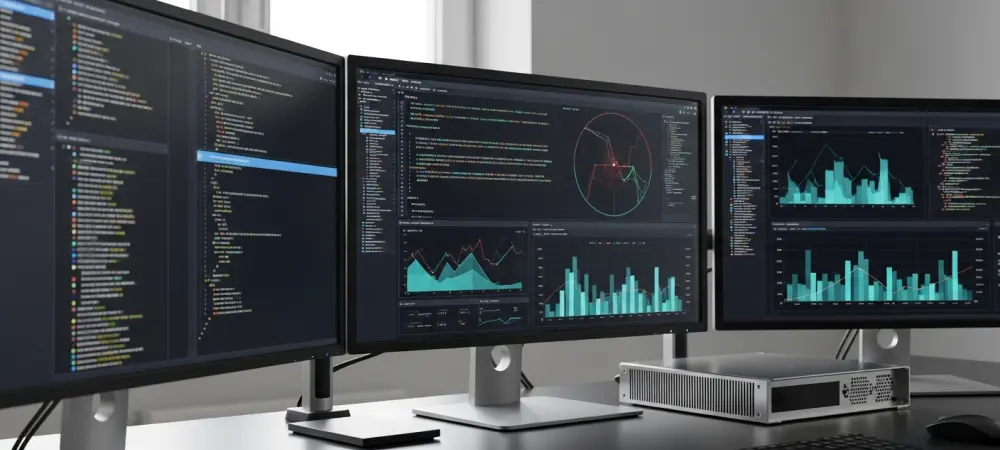
The transition from isolated large language models to integrated agentic systems represents the most significant shift in software architecture since the arrival of cloud-native computing. Today, developers are no longer satisfied with simple prompt-and-response cycles; they are building autonomous entities
Browse Different Divisions
Introduction The architectural constraints of legacy data systems have finally collided with the relentless demands of autonomous intelligence, forcing a radical reimagining of how enterprises store and process information. This friction point marks the emergence of Regatta Data, a San

The rapid proliferation of digital transactions across the Indian subcontinent has transformed financial data from a mere record-keeping necessity into the most critical infrastructure asset of the modern banking era. Released on July 15, 2026, the Reserve Bank of India’s

Modern enterprises no longer view data as a static resource held in isolated silos but rather as a dynamic bloodstream that must flow seamlessly between analytics and machine learning applications to maintain a competitive edge. This fundamental shift explains why

Introduction The true measure of a data scientist’s efficiency often resides not in the complexity of their neural networks but in the robustness of the command-line infrastructure supporting their entire research lifecycle. While high-level programming languages like Python provide the

The velocity at which financial data moves today has fundamentally altered the relationship between American consumers and their banks, turning once-stagnant credit reviews into instantaneous decisions. This transformation is not merely a technical upgrade but a foundational shift from reactive,
The transition from isolated large language models to integrated agentic systems represents the most significant shift in software architecture since the arrival of cloud-native computing. Today, developers are no longer satisfied with simple prompt-and-response cycles; they are building autonomous entities
Browse Different Divisions
Uncover What’s Next
B2BDaily uses cookies to personalize your experience on our website. By continuing to use this site, you agree to our Cookie Policy