

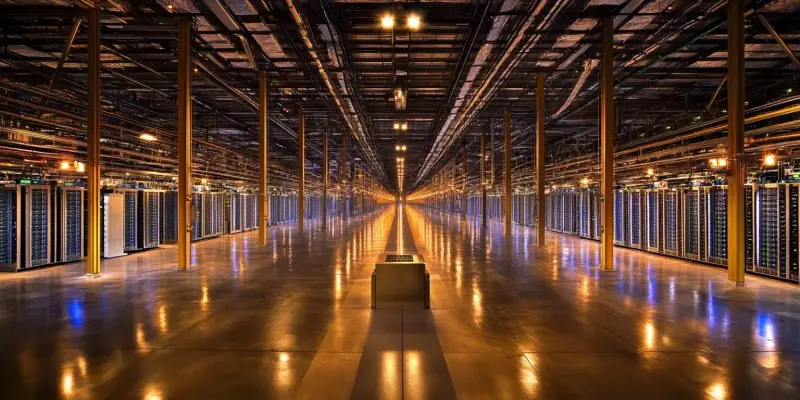
Data centers are experiencing unprecedented growth, rapidly increasing in number and size, and consequently leading to a surge in electricity consumption. This surge has put a significant strain on the electric grid, posing challenges for utilities struggling to keep pace with this burgeoning demand. However, amidst these challenges lies a substantial opportunity for data centers to transform from being merely hefty power consumers into key assets for the electric grid. By embracing flexible operating practices, data centers can enhance grid stability and efficiency, providing a vital lifeline to the increasingly stressed power infrastructure.
The Growing Demand of Data Centers
The proliferation of data centers across the country, particularly in states such as Virginia, Arizona, Georgia, Indiana, and Ohio, has led to heightened demands on utilities that struggle to keep up. The rapid expansion of these centers often outpaces the ability of utilities to develop new power plants and high-voltage transmission lines. The sheer scale of this growth can drive up grid costs and increase emissions, creating a need for innovative approaches to manage this escalating demand.
By adopting flexible operating practices, data centers can alleviate these pressures on the grid and support it during peak demand periods. Adjusting operation times and incorporating on-site power generation and storage solutions are strategies that can be effectively utilized. These practices not only help in mitigating the strain during high-demand intervals but also contribute to deferring the costs and environmental impacts associated with increased electricity usage of data centers.
Embracing Flexibility for Grid Stability
Encouraging data centers to be more flexible in their operations can play a crucial role in stabilizing the electric grid. This includes shifting operational loads to non-peak hours and leveraging on-site power generation and energy storage to reduce reliance on grid power during critical periods. The DCFlex initiative is a pioneering effort aimed at promoting this flexibility among data centers, demonstrating the practical benefits of adaptable energy consumption practices.
High electricity demands from data centers can be particularly challenging during peak periods when the grid is already under significant strain. By reducing or timing their power usage more efficiently, data centers can free up substantial capacity on the grid. This helps to manage not only the costs but also the environmental impacts associated with their energy consumption. Initiatives like DCFlex underscore the importance of such flexibility in ensuring the stability and sustainability of the electric grid.
Collaborative Efforts for Efficiency
Utilities and grid operators are increasingly open to the idea of collaborating with data centers to manage peak demand effectively and improve overall grid efficiency. This collaboration can yield tangible benefits, including reduced emission levels and lower electricity prices, creating a mutually advantageous arrangement for both parties. The success of such partnerships is a testament to the potential for innovative solutions to address complex energy challenges.
The analysis by the Nicholas Institute for Energy highlights the significant potential that lies in this collaboration. According to their findings, if large power consumers like data centers agree to curtail their grid power use during peak periods, tens of gigawatts of spare capacity could be unlocked. This flexibility can significantly alleviate stress on the grid infrastructure, providing a much-needed buffer during times of high demand and helping to ensure reliability and efficiency.
Addressing Peak Demand Challenges
Managing peak demand periods is a critical aspect of preventing grid overloads and potential blackouts. To achieve this, utilities need assurances that data centers can reliably reduce their power usage during critical times. Establishing robust coordination and trust between utilities and data center operators is essential to making this approach work. Such collaboration involves clear communication, detailed planning, and a shared commitment to achieving common goals.
On-site power generation and energy storage present viable solutions to the challenges posed by peak demand. Many data centers already employ backup generators, though these are often diesel-powered and not environmentally friendly. Alternatives such as natural gas generators or renewable energy sources offer cleaner, more sustainable options. For instance, Microsoft’s data center in Cheyenne, Wyoming, has utilized natural gas generators in conjunction with wind power purchases to ease grid stress. This example demonstrates the practical implementation of flexible practices that bolster grid stability while maintaining operational efficiency.
Practical Implementations and Success Stories
Flexible data centers not only contribute to grid stability but can also gain advantages such as quicker grid connections compared to their more rigid counterparts. This readiness makes them attractive partners for utilities, facilitating faster expansions without overwhelming grid capacities. The mutually beneficial relationship between flexible data centers and utilities is a compelling model for future developments.
Projects under the DCFlex initiative are exploring various methods to integrate data centers more effectively into the energy grid. Some focus on developing new sites equipped with cutting-edge technology, while others retrofit existing infrastructure to enhance adaptability. The goal is to devise practical, scalable solutions that support grid stability while catering to the expanding energy needs of data centers. This multifaceted approach is essential to realizing the full potential of flexible data centers.
The Future of Data Center Flexibility
Data centers are undergoing remarkable expansion, with their numbers and sizes increasing rapidly. This growth has resulted in a significant rise in electricity consumption, putting immense pressure on the electric grid. Utilities are struggling to keep up with this spike in demand, creating substantial challenges for stable energy supply. However, this situation also presents a valuable opportunity for data centers to shift from being major energy consumers to becoming crucial assets for the power grid. By adopting flexible operating practices, data centers can enhance the stability and efficiency of the electric grid. This transformation means that instead of just consuming large amounts of energy, data centers could help manage and stabilize the power infrastructure, which is becoming increasingly stressed. Their participation can provide critical support to the grid, ensuring better balance and reliability. This symbiotic relationship between data centers and the electric grid could pave the way for more resilient energy management and a stronger infrastructure capable of handling future demands.