
DartPoints Expands with Baton Rouge Data Center Acquisition

Article Highlights
Off On

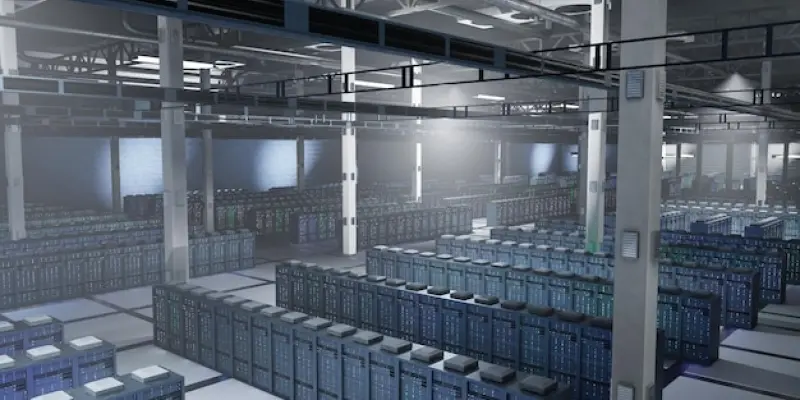
In a significant development for technological infrastructure, DartPoints has expanded its reach with the acquisition of a data center in Baton Rouge, Louisiana. The transaction involved purchasing a 7.5-acre site within the Bon Carré Technology Park for $9.4 million from EdgePWR LLC. The data center has been under DartPoints’ operation since buying the local firm Venyu in 2023. This commitment underscores the company’s strategic ambitions to bolster local economies and contribute to tech job creation. Situated in a space that was once a mall, transformed into a technology-focused hub by EdgePWR in 2020, the center now stands as a symbol of digital progress in the region. Through such strategic moves, DartPoints aims to reinforce Baton Rouge’s status as a driving force in digital innovation, enhancing the Gulf Coast’s digital ecosystem.

Strategic Expansion and Economic Impact

DartPoints’ strategic acquisition of a data center in Baton Rouge is an important milestone in their expansion strategy, reinforcing their commitment to the Gulf Coast region. This move is part of a larger vision supported by Nova Infrastructure’s majority ownership stake in DartPoints, facilitating economic growth and technological progress in the area. By acquiring similar properties in other states, DartPoints is positioning itself to significantly impact local economies through improved tech infrastructure, in line with current growth trends. CEO Scott Willis has highlighted how these expansions are pivotal in establishing Baton Rouge as a hub for digital innovation, ensuring the city’s prominent role in the digital world. This strategic investment marks a dedication not only to DartPoints’ growth but also to the broader goal of regional economic advancement through enhanced digital connectivity. These efforts are expected to build a robust digital framework in Baton Rouge, positioning it within the evolving digital landscape and promising a positive trajectory in the city’s technological narrative.

Explore more

How Is AI Closing the Gap in Customer Conversations?

The digital footprints of modern commerce often leave behind a trail of binary data, but the most profound truths about a brand’s health remain locked within the messy, emotional, and often unpredictable nuance of human speech. While organizations have spent decades perfecting the art of the post-transactional survey, they have largely ignored the goldmine of information vibrating through the phone

How Does CRM Fragmentation Drain Your Sales Productivity?

High-performing sales representatives often spend more time acting as digital detectives than closing deals because their customer data lives in ten different places at once. This digital fragmentation forces teams into a perpetual juggling act where navigating a labyrinth of browser tabs becomes the primary mode of operation. When information about a single lead is scattered across disparate platforms, preparing

How to Transform Real Estate CRMs Into High-Yield Assets

The relentless hum of a high-performance computer often masks the silent financial drain of a real estate professional’s most expensive and underutilized digital tool. Most real estate practitioners pay significant monthly fees for advanced Customer Relationship Management platforms, yet many treat these sophisticated engines like digital filing cabinets. While the technology promises to streamline operations and maximize revenue, the reality

AI Reshapes Technical Hiring and Entry-Level Pipelines

The once-reliable path of starting as a junior analyst and slowly climbing the corporate ladder has been fundamentally disrupted by the rapid integration of sophisticated autonomous systems that now manage routine tasks with superhuman speed. Hiring managers are no longer looking for people to organize spreadsheets; they are seeking architects of the future. This shift marks the definitive transition toward

AI Recruitment Tools Invent and Reinforce Their Own Biases

When a recruiting algorithm selects a candidate not because of their skills but because it hallucinated a success pattern out of thin air, the fundamental promise of meritocratic automation begins to crumble. This shift marks a departure from the era when developers merely feared that machines would inherit human prejudices; today, the concern is that they are actively manufacturing their