

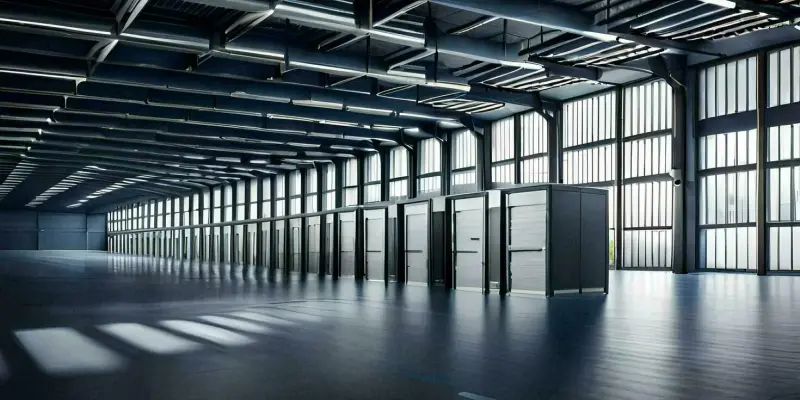
As the demand for data centers continues to surge with the ongoing rise of technologies like Artificial Intelligence, an urgent spotlight is cast on their resource consumption, particularly water. The European Union has been proactively addressing this concern through its Water Resilience Strategy, which outlines the implementation of minimum performance standards for data centers to curtail water usage. This initiative is set against the backdrop of escalating water scarcity concerns, as water consumption is expected to outpace supply. The strategy not only aims to enhance sustainability but also signals a significant shift in how critical sectors like data centers are managed to ensure strategic autonomy.
The plan to enforce these water efficiency standards by 2026 underlines the European Commission’s commitment to sustainable resource management. This strategy is not just about conservation but also involves an inclusive approach toward various sectors like battery production and semiconductor fabrication, both heavily reliant on water. With agriculture consuming a lion’s share of Europe’s water resources, the focus on data centers, albeit a smaller consumer, indicates a broader awareness of the environmental impact these facilities entail. The challenge lies in balancing technological advancements with environmental stewardship, a task the EU is preparing to undertake with strict policy measures.
The Impact on Technology and Industry
Data centers are integral to the modern technological landscape, hosting vast amounts of data for cloud services and other essential operations, yet their resource consumption has become an Achilles’ heel. By establishing standards that mandate efficient water use, the European Union is tackling the dual objectives of supporting technological growth while preserving vital resources. Such measures not only enhance the sustainability of data center operations but also serve as a blueprint for other sectors facing similar resource challenges. Industries anchored in technology must innovate to reduce environmental footprints without sacrificing progress.
As climate change continues to pose unprecedented challenges, sectors dependent on ultra-pure water, like semiconductor fabrication, face heightened scrutiny. The EU’s standards are envisaged to prompt companies to adopt cutting-edge water recycling and conservation technologies. This emphasis on innovation will likely drive industries globally to reconsider their resource management strategies. Achieving this balance ensures a sustainable future where technological growth can coexist with resource conservation.
Advancing Towards a Sustainable Future
With the increasing reliance on data centers driven by advances such as Artificial Intelligence, there’s a pressing need to address their impact on resources, especially water. The European Union is tackling this issue head-on with its Water Resilience Strategy. This strategy establishes minimum performance standards aimed at reducing water usage in data centers, reflecting growing concerns about global water scarcity, as demand is projected to surpass supply. By implementing these standards by 2026, the European Commission emphasizes commitment to sustainable resource management. The initiative is not solely about conservation; it extends to other critical sectors like battery production and semiconductor manufacturing, which also consume significant water. Although agriculture remains the largest water consumer in Europe, focusing on data centers, albeit smaller consumers, highlights a growing awareness of their environmental footprint. The EU faces the challenge of balancing technological growth with environmental responsibility, preparing to address it through stringent policies that enhance sustainability and ensure strategic autonomy.