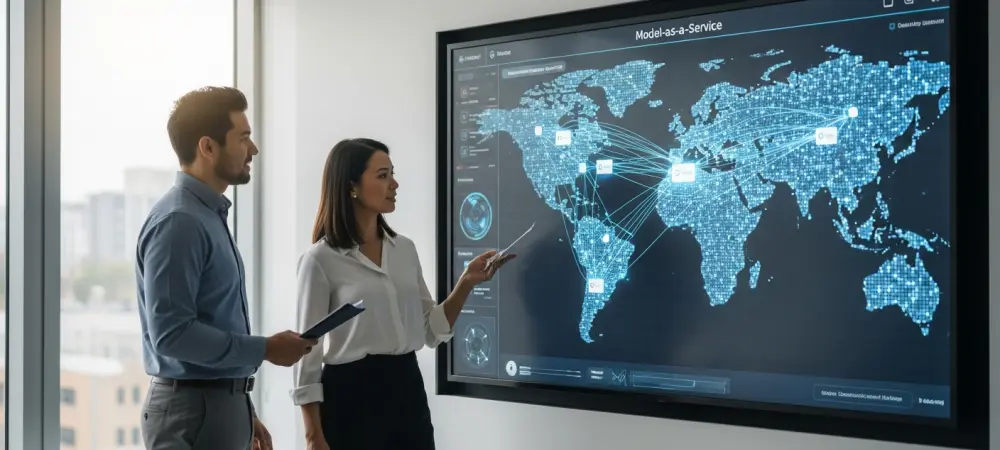
A single autonomous agent now possesses the capability to navigate internal file systems, rewrite production code, and interact with private databases with the same technical authority as a senior engineer. This transition marks the end of the era where AI
Deeper Sections Await
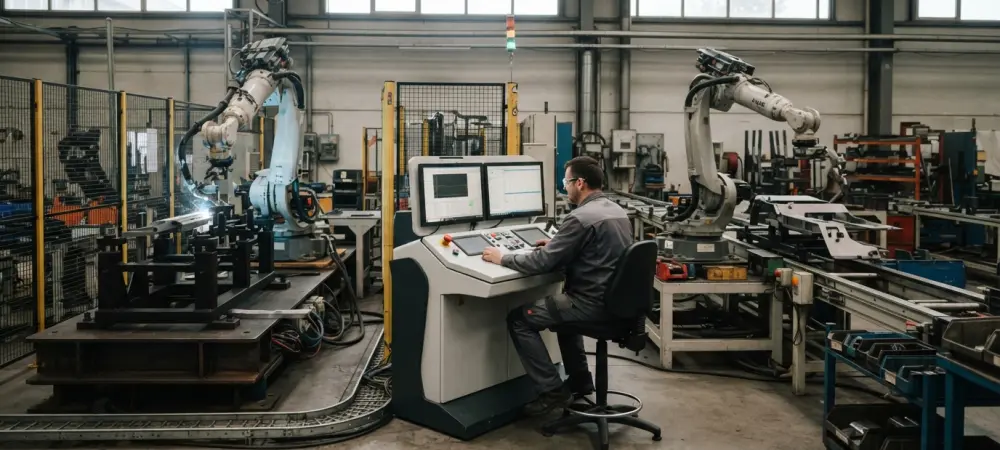
Simple classification tasks like identifying defective parts on an assembly line are best handled by immediate edge devices rather than centralized servers. While many modern enterprises prioritize the raw capabilities of foundation models or the immense scale of cloud providers,
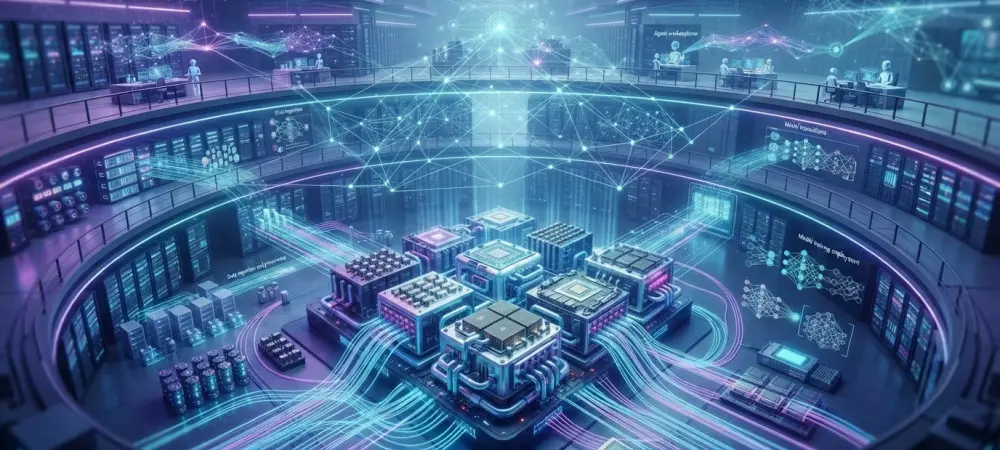
The transition from static language models that merely respond to prompts toward dynamic systems that autonomously navigate complex enterprise environments is redefining the fundamental requirements of modern cloud architecture. This evolution requires more than just better reasoning; it demands a
Browse Different Divisions
Simple classification tasks like identifying defective parts on an assembly line are best handled by immediate edge devices rather than centralized servers. While many modern enterprises prioritize the raw capabilities of foundation models or the immense scale of cloud providers,
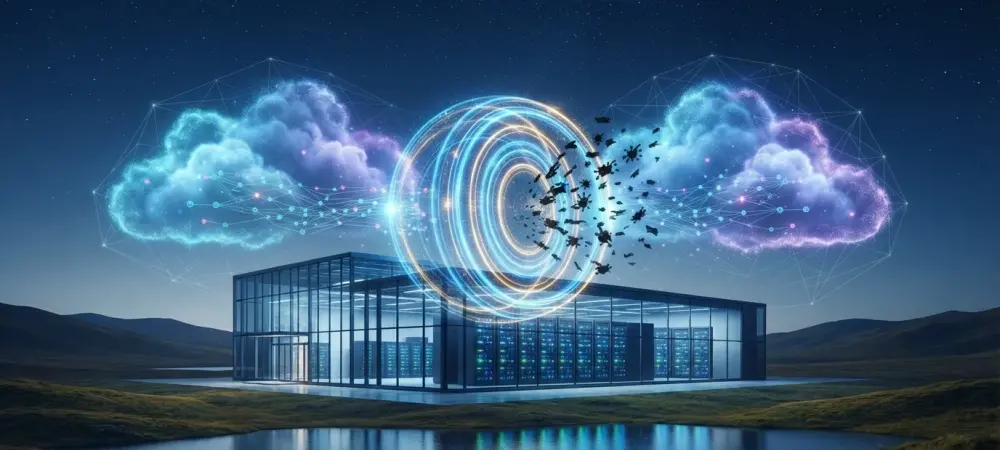
The rapid expansion of artificial intelligence services has created a precarious dependency on the underlying software layers that manage high-performance compute resources in modern cloud data centers. Security researchers recently identified a significant memory-safety vulnerability within CPython, the primary implementation
The efficiency of a data warehouse often hinges on how the provider bills for idle time between query bursts rather than the raw speed of individual data scans. This fundamental shift in perspective emerges from a comprehensive evaluation involving over
The architectural certainty that once dictated a total migration to hyperscale public cloud providers has been dismantled by the pragmatic demands of modern enterprise infrastructure and data sovereignty. For nearly a decade, the industry operated under the assumption that on-premises
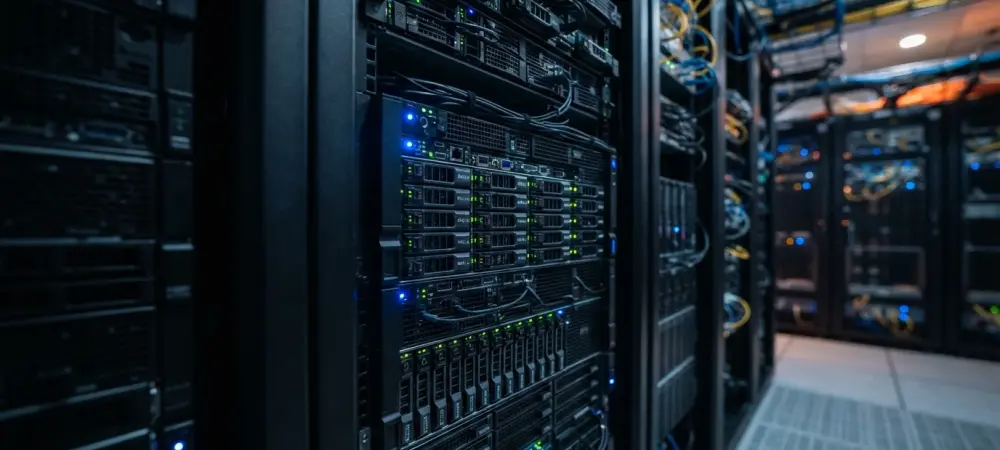
By consolidating eight legacy physical servers into four HPE ProLiant Compute DL360 Gen12 units, the college achieved a massive reduction in its physical hardware footprint. This strategic overhaul was primarily catalyzed by an impending 300% increase in virtualization licensing costs,
The transition from static language models that merely respond to prompts toward dynamic systems that autonomously navigate complex enterprise environments is redefining the fundamental requirements of modern cloud architecture. This evolution requires more than just better reasoning; it demands a
Browse Different Divisions
Uncover What’s Next
B2BDaily uses cookies to personalize your experience on our website. By continuing to use this site, you agree to our Cookie Policy