

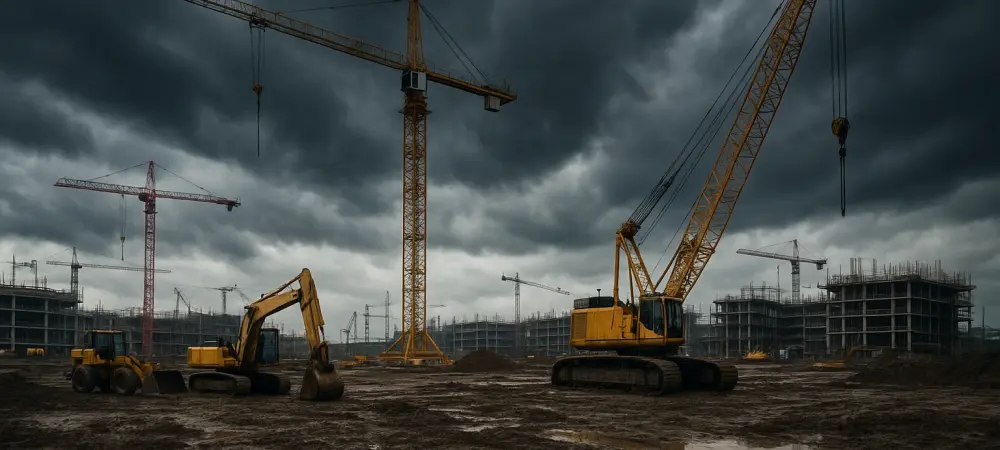
The rapid expansion of artificial intelligence in the United Kingdom faces a significant physical bottleneck as increasingly volatile weather patterns threaten to disrupt data center construction through 2027. This burgeoning sector, essential for the modern digital economy, is currently at a crossroads where the sheer velocity of technological demand collides with the harsh realities of physical site management. As global investors pour billions into British infrastructure to support high-density computing and cloud services, the vulnerability of construction schedules to unpredictable atmospheric events has become a primary boardroom concern. Industry leaders are observing that historical climate data is no longer a reliable predictor for project timelines, leading to a fundamental reassessment of how these massive facilities are built. The stability of the UK’s technological trajectory now hinges on its ability to fortify the building process against the elements, ensuring that vital capacity is not left languishing in the mud or stalled by extreme thermal events.
Strategic Planning: Integrating Resilience Into Infrastructure
For years, the UK construction industry treated environmental protection as a contingency—a secondary expense to be authorized only when a storm appeared on the horizon. However, the current landscape of 2026 demands a radical departure from this reactive mindset. Developers and contractors are beginning to realize that waiting for weather conditions to deteriorate before deploying protective screening or temporary partitioning is a strategy that almost guarantees significant financial loss. When site work stops due to high winds or torrential rain, the costs associated with idled labor and delayed equipment delivery mount rapidly, often exceeding the initial investment required for robust site protection. By integrating engineered weathering solutions into the very first stages of the procurement process, project managers can establish a controlled environment that permits continuous progress. This structural shift ensures that the installation of sensitive components remains on schedule, regardless of external volatility.
The Procurement Shift: From Reactive to Proactive Mitigation
The economic stakes of these projects have transformed the “speed to market” metric into a non-negotiable priority for international operators. In the competitive environment of 2026 and 2027, missing a handover date does not simply involve a minor penalty; it often results in the breach of complex service-level agreements and the potential withdrawal of investment capital. Consequently, the industry is moving toward a model where resilience is a budgeted, core component of the build program rather than a discretionary add-on. Modern data centers require highly specific environmental controls even during the construction phase, particularly during the fit-out of advanced cooling systems and server racks. Advanced modular hoarding and environmental screens allow contractors to maintain these conditions, effectively decoupling the interior progress from the exterior climate. This professionalized approach to risk management is becoming a differentiator for top-tier firms looking to secure high-value contracts in an increasingly crowded market.
Environmental Pressure: Overcoming Cumulative Volatility
Current construction cycles in the United Kingdom are no longer facing isolated seasonal threats but rather a continuous, year-round battery of environmental extremes. Recent developments have highlighted a “piling-on” effect where uncharacteristically high summer temperatures hinder the curing of specialized concrete and reduce the safe working hours for labor, followed immediately by periods of intense autumnal rainfall. This transition between extremes leaves very little recovery time for site managers attempting to maintain a strictly sequenced development path. Excess moisture is particularly problematic for data centers because it prevents the commencement of internal fit-outs, where moisture-sensitive electrical infrastructure must be installed in a bone-dry environment. If the shell of the building is not properly sealed or protected against heavy rain during the early phases, the subsequent delays can cascade through the entire supply chain, pushing the final commissioning dates well into 2027.
Operational Risks: Mitigating Structural Delays and Hazards
Beyond the immediate structural delays, extreme weather patterns are significantly complicating the logistical backbone and safety protocols of modern construction sites. High winds often ground the cranes necessary for moving heavy cooling units and generators, while localized flooding can disrupt the delivery of essential materials like steel and fiber-optic cabling. These logistical hurdles are compounded by a broader “perfect storm” of industry constraints, including specialized labor shortages and the ongoing difficulty of securing high-voltage grid connections. When environmental disruption is layered on top of these pre-existing pressures, the margin for error virtually disappears for even the most experienced general contractors. Professionals are now focusing on safety hazards created by partially live environments where water ingress can cause catastrophic failures. Managing these risks requires a sophisticated blend of advanced weather monitoring technology and physical site barriers that ensure safe operations.
Strategic Outcomes: Formalizing Measures For Future Growth
The analysis of construction trends through 2026 demonstrated that the UK’s technological ambitions were inextricably linked to its physical resilience. Those organizations that successfully navigated these challenges did so by abandoning antiquated “wait-and-see” approaches in favor of early-stage environmental planning. It became clear that the professionalization of weather risk management was not just a technical necessity but a commercial imperative that defined the success of high-capacity builds. Moving forward into 2027, the industry focused on refining these protective strategies to ensure that the physical infrastructure supporting artificial intelligence remained robust. Stakeholders prioritized the adoption of standardized environmental screening protocols across all major projects to stabilize the construction pipeline. Ultimately, the lessons learned from recent disruptions proved that the ability to control the site environment was as critical as the technology housed within. By formalizing these resilience measures, the sector ensured that the nation remained a premier destination for global digital investment.