

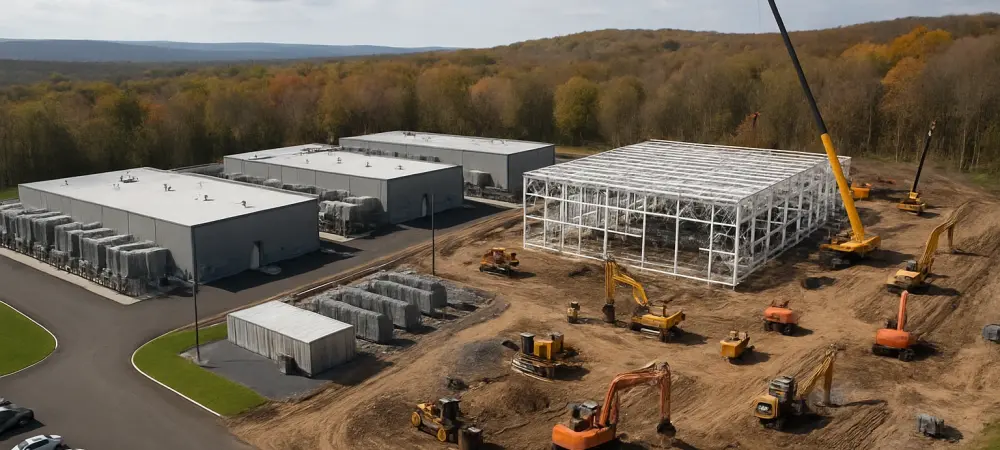
In the heart of Lackawanna County, Pennsylvania, the small borough of Archbald finds itself at a pivotal crossroads with proposals for millions of square feet of data center space threatening to reshape its quiet landscape, sparking intense debate among residents, officials, and industry watchers. This surge, marked by a recent filing for 22 new buildings totaling 3.3 million square feet, raises the question of what this unprecedented push for tech infrastructure means for a region unaccustomed to such rapid change. This roundup gathers diverse opinions, insights, and concerns from various stakeholders to explore the implications of this development boom, offering a balanced view on the challenges and opportunities ahead.
Diving into the Data Center Boom: Community and Expert Voices
Local Residents Weigh In on Growth vs. Disruption
The scale of proposed data center projects in Archbald has left many residents grappling with mixed emotions. A significant portion of the community expresses apprehension about the environmental toll, pointing to potential noise pollution and strain on local water and power resources as major drawbacks. Public forums have revealed a strong desire for thorough impact studies before any shovels hit the ground.
On the flip side, some locals see a silver lining in the form of economic boosts. The promise of job creation, even if primarily short-term construction roles, resonates with those eager for new opportunities in a historically industrial area. This divide highlights a broader tension between preserving Archbald’s small-town charm and embracing transformative development.
A recurring theme among residents is the need for transparency. Many feel sidelined in the decision-making process, urging borough officials to host more open dialogues to address fears about infrastructure overload. This sentiment underscores a critical need for community involvement as these massive projects loom on the horizon.
Industry Insights on Why Archbald Is a Prime Target
Professionals in the tech and real estate sectors have noted several factors positioning Archbald as an attractive spot for data center expansion. The availability of large, undeveloped land parcels along corridors like Eynon Jermyn Road offers a cost-effective alternative to urban tech hubs. Additionally, proximity to existing power grids and connectivity infrastructure makes the area logistically appealing.
Another angle often discussed is the skyrocketing demand for cloud computing and AI infrastructure, pushing companies to seek out non-traditional locations. Industry observers suggest that rural areas like Archbald can meet this need without the zoning complexities or high costs associated with metropolitan regions. This perspective paints the borough as part of a larger shift in tech geography.
However, cautionary notes emerge about the pace of growth. Some industry voices warn that rapid development could outstrip local capacity to manage utilities or traffic, potentially leading to operational hiccups for data centers. This viewpoint calls for strategic planning to ensure that ambition aligns with practical realities on the ground.
Regional Trends and Economic Impacts: A Broader Lens
Comparing Archbald to Lackawanna County’s Data Center Wave
Across Lackawanna County, the data center trend extends beyond Archbald, with eight proposed campuses county-wide, including projects in Jessup and Covington townships. Analysts tracking regional development patterns point out that Archbald’s five proposed campuses, potentially totaling nearly 4.73 million square feet, represent a significant chunk of this growth. This concentration raises questions about regional competition for resources.
Differing opinions surface on the economic ripple effects. Some regional planners argue that the influx of tech facilities could redefine the area’s identity, bringing in tax revenue to fund public services. They see a chance for Lackawanna County to carve out a niche as a secondary tech hub, complementing larger markets.
Others, however, express skepticism about equitable benefits. Community advocates in neighboring boroughs highlight concerns that smaller towns might bear the brunt of environmental costs while larger entities reap financial rewards. This disparity fuels calls for county-wide coordination to distribute impacts more evenly across affected areas.
Governance Challenges: Balancing Regulation and Opportunity
At the local governance level, Archbald’s borough council has faced scrutiny over its handling of data center proposals. A recent meeting saw a proposed ordinance to limit data center locations fail to advance, reflecting deep divides. Some council members and policy advisors advocate for stricter zoning controls to protect residential zones, citing resident feedback as a driving force.
Contrasting views within governance circles emphasize economic incentives. Certain officials argue that overly tight regulations could deter investment, potentially costing the borough significant revenue over the next few years, from 2025 onward. They push for a more welcoming stance to capitalize on the tech wave while it lasts.
A middle-ground perspective gaining traction among policy analysts suggests a hybrid approach. This includes temporary moratoriums on new approvals until comprehensive impact assessments are completed. Such a strategy aims to buy time for crafting policies that balance growth with community well-being, a model other small towns might consider.
Takeaways from the Archbald Debate: What Was Learned
Looking back, the discussions surrounding Archbald’s data center proposals revealed a complex tapestry of hope, concern, and pragmatism among residents, industry experts, and local leaders. The stark contrast between economic optimism and environmental caution stood out as a defining feature of the debate. Moving forward, actionable steps emerged as critical, such as establishing regular town hall meetings to keep communication channels open. Another key suggestion was for the borough to collaborate with regional planners to develop a long-term framework for tech growth. These insights provide a roadmap for Archbald and similar communities to navigate the challenges of rapid development, ensuring that progress does not come at the expense of local harmony.