

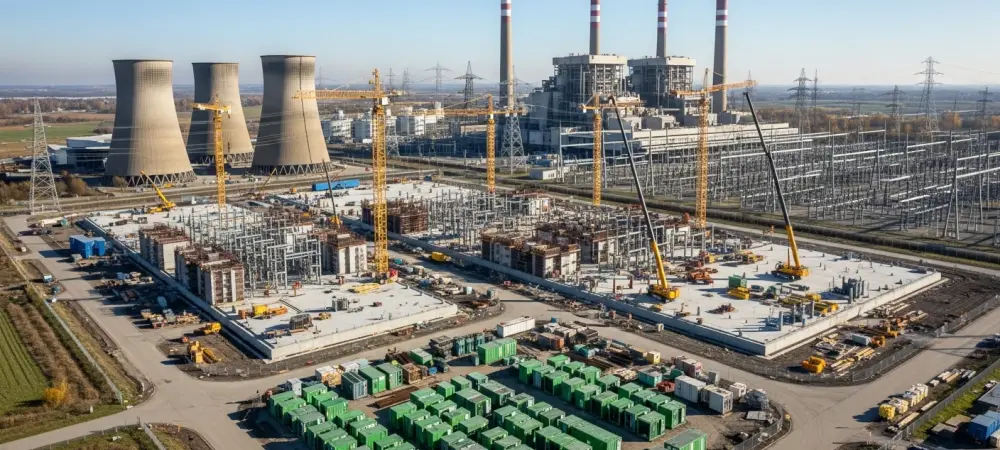
The industrial landscape of central Poland is currently undergoing a radical metamorphosis as traditional energy hubs transition into high-tech digital fortresses. Central Energy Group has recently unveiled a massive $3.5 billion initiative to establish a 260MW artificial intelligence-centric data center in Konin, signaling a major shift in how the region utilizes its power resources. This ambitious project aims to bridge the gap between heavy industry and the future of computing by repurposing existing infrastructure for the global AI race.
The objective of this exploration is to answer the most pressing questions regarding the technical scope, environmental impact, and economic implications of this investment. Readers can expect to learn how the facility integrates renewable energy with legacy systems and what this development means for Poland’s growing status as a European digital leader.
Key Questions or Key Topics Section
What Are the Specific Technical and Financial Ambitions of the Konin Project?
Central Energy Group is positioning this facility as a cornerstone of European AI infrastructure, requiring a staggering investment of approximately €3 billion. By partnering with the real estate specialists at Jones Lang LaSalle, the developer plans a phased construction approach that is scheduled to begin in 2027. While some local permits remain pending, the project has already secured the essential environmental clearances and power connection rights needed to move forward.
The financial scale reflects the high power density required for modern artificial intelligence workloads, which far exceed standard data storage needs. To ensure stability and scalability, the group is actively seeking a strategic partner to help manage the operational complexities. This phased strategy allows for a flexible rollout that can adapt to the evolving demands of the global technology market over the coming decade.
How Does the Energy Infrastructure Support Sustainable Operations?
A defining characteristic of the Konin data center is its hybrid energy model, which blends traditional reliability with modern green initiatives. The facility is designed to draw power from an intricate mix of nearby solar arrays, battery storage systems, and the existing coal-fired plant infrastructure. This approach ensures a constant power supply while gradually lowering the carbon footprint of the high-intensity server rooms.
Furthermore, the developer is investigating innovative ways to recycle the thermal byproduct generated by the hardware. There are ongoing discussions regarding a district heating network that would redirect waste heat from the data center to the local community. Although shifting local requirements make this integration complex, it demonstrates a commitment to circular energy principles and regional sustainability.
Why Is Poland Becoming a Major Hub for Global Data Infrastructure?
Poland has rapidly emerged as a preferred destination for massive digital investments due to its strategic location and robust power capacity. The Konin development is part of a broader trend, following other significant announcements like the 3.4GW facility in Choczewo and the 500MW campus in Bełchatów. These projects collectively indicate that the country is leveraging its industrial heritage to meet the power-hungry demands of the AI era.
This regional shift is driven by the availability of land and the ability to repurpose existing energy grids for high-tech use. As companies look for stable environments outside of traditional Western European markets, Poland offers a compelling mix of technical expertise and infrastructure readiness. The transition from coal-dependent economies toward digital services provides a sustainable economic pathway for central Poland.
Summary or Recap
The planned 260MW data center in Konin represents a pivotal moment for Central Energy Group as it integrates AI computing with advanced energy management. By combining solar power and battery storage with legacy infrastructure, the project addresses the dual challenges of high energy demand and environmental responsibility. The investment not only secures Poland’s place in the digital economy but also provides a model for regional industrial transition.
Conclusion or Final Thoughts
The emergence of such a massive facility highlighted the critical need for a balanced approach to technological growth and local resource management. Stakeholders had to consider how high-density computing could coexist with community heating needs and regional environmental goals. Ultimately, the Konin project demonstrated that the path to a digital future relied as much on creative energy solutions as it did on hardware capacity. Moving forward, the success of this initiative will likely influence how other industrial regions across Europe navigate the shift toward a high-tech infrastructure.