

The High-Stakes Duel: The Ultimate Premium Handset
Xiaomi is aggressively positioning its latest innovation to intercept the rumored iPhone Ultra. This move represents a bold attempt to dethrone luxury leaders by offering an ergonomic alternative to the traditional tablet-style foldable.
By shifting away from the standard format, Xiaomi is targeting the most demanding segment of the market that values sophistication as much as raw utility. The strategy relies on convincing consumers that the next evolution lies in the refinement of how screens integrate into daily life rather than just physical size. This calculated pivot aims to disrupt the luxury tier dominated by legacy manufacturers.
Market Shift: Why the Evolution of Form Factors Signals a New Era
For several cycles, the foldable category remained stuck on incremental improvements to the phone-to-tablet transition. However, current trends indicate a decisive pivot toward “passport-style” proportions that prioritize pocketability over massive height. This change reflects a broader desire for utility without the excessive bulk that characterized early-generation devices.
Xiaomi’s re-entry into this space after a strategic hiatus suggests a move toward a “refined tool” philosophy. To beat competitors at the high end, hardware must feel like a natural extension of the user rather than a thick prototype. This evolution signifies that the next phase of innovation will be defined by ergonomic refinement and daily practicality.
Advanced Architecture: Decoding the Passport Design and Proprietary Silicon
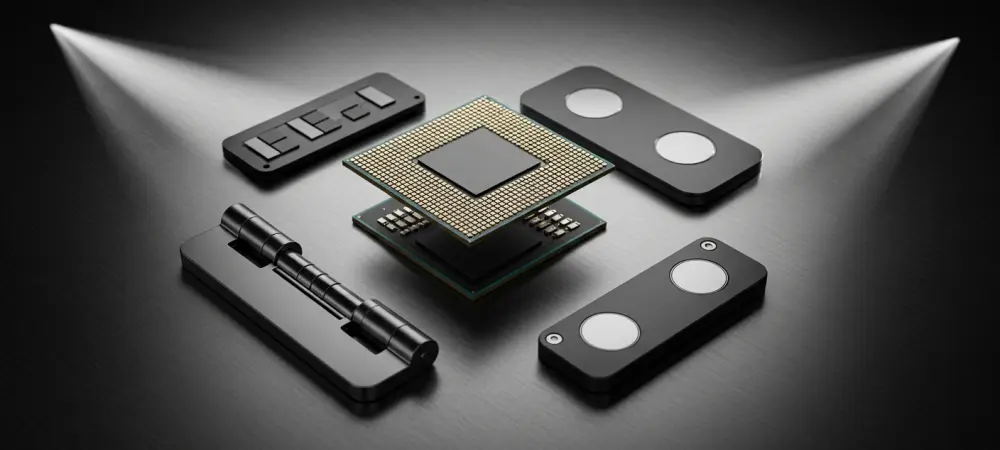
The rumored Mix Fold 5 marks a departure from standard chips, favoring deep vertical integration for peak performance. Instead of relying on general-purpose processors, the device features the custom XRing O3 SoC designed specifically for unique thermal demands. This proprietary silicon allows for better optimization within the constraints of an ultra-thin foldable frame. The internal architecture supports a massive 6,000 mAh battery and a magnetic accessory system inherited from recent flagships. This hardware synergy provides a cohesive experience that matches the “Ultra” branding expected from its most powerful global rivals. Such vertical integration ensures that software and hardware work in perfect harmony to maximize power efficiency.
Technical Alignment: The Pursuit of Structural Durability
Industry analysts note a surprising consensus regarding the mechanical standards required for the next generation of foldables. Xiaomi is utilizing an advanced hinge mechanism rumored to be shared with future global devices to eliminate the screen crease while ensuring long-term durability. This shared direction suggests the industry is finally settling on a gold standard for reliable engineering.
This convergence indicates that the experimental phase of foldable technology has finally ended. Manufacturers are moving into a period of mature hardware that can withstand the rigors of daily professional use. By focusing on these structural refinements, Xiaomi is attempting to remove the final barriers for skeptics who previously doubted the longevity of flexible displays.
Performance Framework: Criteria for Evaluating Next-Generation Foldable Flagships
The value proposition ultimately rested on how well the ecosystem integrated professional tools. By examining magnetic peripherals and software optimization, the market sought a device that could truly replace a mobile workstation. This strategic transition paved the way for reliable efficiency in a compact form factor that appealed to power users. The pursuit of custom silicon ensured these devices offered superior battery management and camera processing, proving that foldable designs could finally rival elite flagship standards. Future considerations focused on maintaining this balance of power and portability. The industry looked toward a landscape where refined hardware and proprietary processing defined the pinnacle of mobile luxury.