

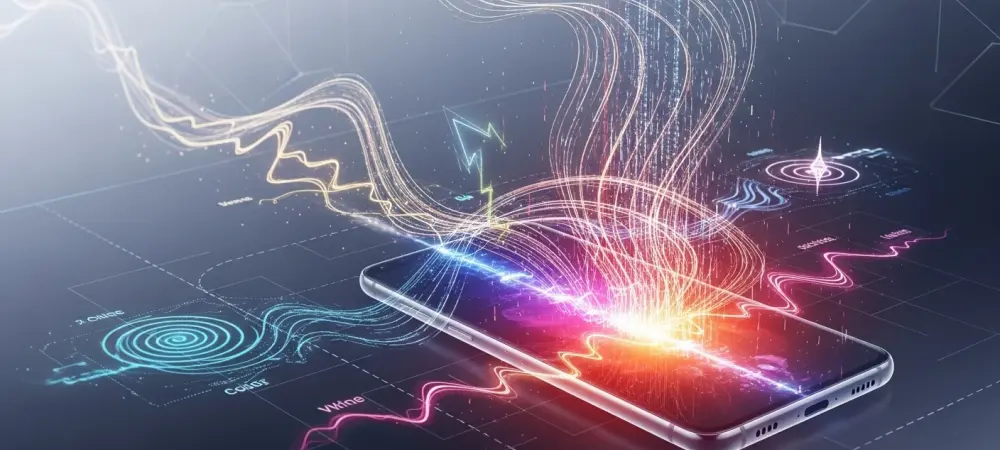
The traditional boundary between software developers and daily smartphone users has begun to dissolve as natural language interfaces replace rigid lines of complex code. This shift, colloquially known as vibe coding, represents a strategic move by Samsung to transform its mobile ecosystem from a collection of static tools into a responsive, user-defined environment. By utilizing large language models, the Galaxy platform now enables individuals to reshape their digital experiences through simple conversation. This analysis explores how such a fundamental change in software architecture influences consumer behavior and industry standards.
The Dawn of Natural Language Software in the Mobile Ecosystem
The concept of natural language software is rapidly moving into the mainstream, signaling a significant evolution in smartphone utility. At its heart, vibe coding leverages the power of advanced AI to bridge the gap between human intent and machine execution. Samsung’s exploration of this technology suggests a transition from offering pre-packaged applications toward a personalized paradigm. This approach allows for a more dynamic relationship where the device becomes an extension of the user’s specific operational style.
From Static Interfaces to the Era of Agentic AI
To understand this shift, one must look at the evolution of mobile operating systems leading up to the current landscape. For years, the user experience was defined by developer-dictated workflows and static app grids. While previous iterations of One UI offered cosmetic customization, these changes were often surface-level. The emergence of agentic AI has set the stage for a transformation where the device learns to adapt to the user rather than forcing the user to navigate rigid menus.
The Mechanics of User-Driven Customization
Empowering the Non-Technical Creator
Democratization of software development is the most critical pillar of the vibe coding vision. Historically, changing how an app functioned required deep technical expertise. Now, a Galaxy user can instruct their phone to reorganize workflows or prioritize specific data based on context. This removes the friction of “one-size-fits-all” software, granting everyday consumers granular control.
Moving Beyond Simple Generative AI
Unlike early AI tools that focused on content creation, vibe coding integrates deeper into the system logic. It builds on the Galaxy S26’s existing features like Agentic Task Execution to modify how applications interact. Instead of just drafting a message, the AI can rewrite the logic of how notifications are filtered or how the calendar syncs with project deadlines.
Addressing the Challenges: Reliability and Security
Integrating this level of flexibility introduces significant technical hurdles regarding stability. Ensuring that user-generated modifications do not cause system crashes or security leaks remains a priority. Samsung must create robust sandboxed environments where natural language commands are translated into safe, efficient executable code.
The Future of Dynamic and Context-Aware Software
The trajectory of the mobile market suggests that future devices will be defined by their elasticity and context awareness. Experts predict that vibe coding will lead to the gradual decline of traditional app stores in favor of unified AI agents that generate micro-tools on demand. This technological evolution will likely be supported by new regulatory frameworks designed to ensure transparency in AI-generated software.
Navigating the Shift Toward Personal Software Architectures
This shift necessitates a new approach for both consumers and developers within the tech industry. The value of hardware is increasingly overshadowed by the intelligence and adaptability of the underlying software. For users, the best strategy involves embracing a mindset of experimentation to refine personal workflows. Businesses must also adapt by making their applications more malleable to accommodate AI-driven modifications.
A New Chapter for the Galaxy Ecosystem
The integration of vibe coding marked a turning point where the smartphone ceased to be a static product. Samsung successfully broke down the final barriers between professional engineering and consumer customization, fostering a more intuitive digital companion. This transition ensured that the Galaxy ecosystem remained at the absolute forefront of the current AI revolution. Looking forward, stakeholders should prioritize the development of interoperable AI modules that allow for even deeper system-level personalization. Users who mastered these natural language tools gained a significant edge in digital productivity, proving that the future of mobile technology lies in the hands of the individuals who use it.