

The landscape of the smartphone industry has shifted from a race for raw hardware specifications to a competition over the most intuitive and pervasive artificial intelligence integration. While premium devices typically lead this charge with high price tags, the introduction of the Google Pixel 10a at the four hundred ninety-nine dollar mark represents a significant attempt to democratize sophisticated machine learning features for a broader audience. Central to this strategy is the inclusion of the Tensor G4 processor, which serves as the architectural foundation for on-device processing and high-end camera algorithms that were previously locked behind flagship tier pricing. This move signals a broader transition in the sub-five hundred dollar market, where the primary value proposition is no longer just a screen or a battery, but the quality of the software experience and the intelligence of the digital assistant. By prioritizing internal efficiency over flashy external gimmicks, the device aims to prove that premium AI tools can be accessible without compromising the core utility of a mobile device.
Sustainable Design: A Modern Hardware Philosophy
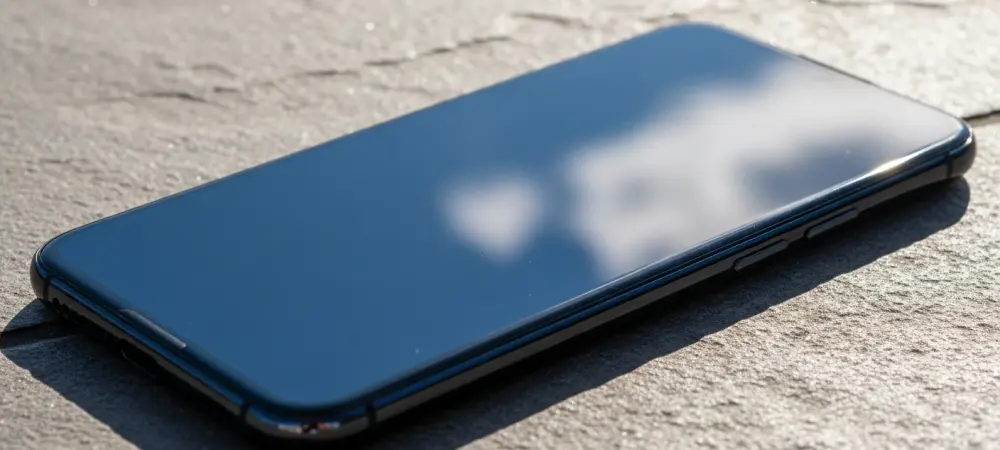
Redefining the physical presence of a budget device often requires a balance between aesthetic appeal and structural integrity, and the Pixel 10a addresses this through a more streamlined design. The traditional camera bar has been replaced with a flush module that sits integrated within a flat back panel, creating a more cohesive and ergonomic profile for daily use. Sustainability remains a central pillar of this construction, as the frame is crafted from one hundred percent recycled aluminum while the rear panel utilizes high-grade recycled plastics to minimize the environmental footprint. Beyond the materials, the hardware experience is anchored by a 6.3-inch Actua display, which offers significantly enhanced brightness levels to ensure readability even under direct mid-day sunlight. Protection is also a priority, with the inclusion of Gorilla Glass 7i providing a level of scratch and drop resistance that is often omitted in this price bracket, ensuring that the device can withstand the rigors of long-term ownership without immediate wear.
Beyond the physical chassis, the internal connectivity suite has been expanded to include features that were once exclusive to the most expensive telecommunications equipment available on the market. Most notably, the introduction of Satellite SOS to the A-series provides a vital safety net for users who find themselves in remote locations without traditional cellular or Wi-Fi coverage. This hardware capability, paired with the efficiency of the Tensor G4 chip, ensures that the phone is not just a communication tool but a reliable companion for emergencies. This integration reflects a maturing philosophy where safety and reliability are viewed as essential rights rather than premium luxuries. Furthermore, the thermal management systems have been overhauled to support the sustained processing loads required by modern generative AI tasks, preventing the performance throttling that often plagued previous generations of midrange hardware. This focus on consistency allows the device to maintain high speeds during intensive multitasking or prolonged navigation sessions, bridging the gap between budget expectations and flagship performance.
The Intelligent Interface: Gemini and Generative Photography
The photography experience has long been the defining characteristic of the Pixel brand, and the newest iteration leverages advanced software to overcome the inherent limitations of smaller sensor sizes. While the physical hardware consists of a 48MP main sensor and a 13MP ultrawide lens, the real innovation lies in the Gemini-powered processing tools that transform standard snapshots into professional-grade imagery. Features like Auto Best Take and Add Me utilize sophisticated image synthesis to ensure that group photos are perfect every time, even when the subjects are not looking at the lens simultaneously. Additionally, the Camera Coach tool offers real-time composition advice, acting as a digital mentor for users who want to improve their framing and lighting techniques on the fly. This shift toward computational photography means that the quality of the final image is dictated more by the intelligence of the algorithms than the physical dimensions of the lens, allowing a midrange device to compete directly with the visual output of much more expensive rivals in almost any lighting condition.
Long-term value is cemented by a commitment to software support that sets a new standard for the industry, ensuring that the device remains relevant for nearly a decade after its initial release. By promising seven years of operating system and security updates, the manufacturer provides a level of security and feature parity that few other companies can match in this specific price segment. This longevity is supported by an impressive battery life that can extend up to one hundred and twenty hours in Extreme Battery Saver mode, addressing the primary concern of many mobile users regarding power reliability. The user interface itself is centered on conversational AI, with Gemini Live providing a natural way to interact with the device through spoken word and Circle to Search offering a seamless method for gathering information without switching apps. These tools represent a move toward a more proactive digital assistant that understands context and user intent, rather than just reacting to simple voice commands. This holistic approach to software ensures that the phone evolves over time, gaining new capabilities as the cloud-based AI infrastructure continues to advance.
Market Transformation: The Future of Accessible Technology
The strategic release of this device effectively changed the trajectory of the midrange market by proving that high-level intelligence was not a luxury reserved for the elite. Manufacturers were forced to reconsider their focus on hardware bloat in favor of optimized software experiences that actually improved the daily lives of their users. This shift encouraged a new era of transparency regarding software longevity and AI transparency, as consumers began to demand more than just a two-year lifecycle for their electronics. Investors and tech analysts noted that the success of such a device relied on the seamless marriage of custom silicon and proprietary models, highlighting the importance of vertical integration in the modern tech ecosystem. Moving forward, the industry adopted a more holistic view of value, where the true cost of a phone was measured by its utility over time rather than its sticker price on launch day. It was clear that the era of the “budget” phone as a compromised experience ended when the focus shifted toward making every user feel like they had a flagship-level assistant in their pocket at all times.
Future considerations for the mobile sector must include a focus on how local processing can reduce reliance on cloud infrastructure, thereby improving privacy and reducing latency for the end user. Organizations that prioritize these aspects of the user experience will likely find more success than those that simply compete on the basis of physical hardware specs. For consumers, the decision to invest in a device now rests on the quality of the ecosystem and the brand’s commitment to long-term software health. As artificial intelligence continues to permeate every aspect of digital interaction, the boundary between a high-end tool and an everyday accessory will continue to blur. Developers should look toward optimizing their applications for these emerging on-device machine learning chips to ensure they can take full advantage of the new capabilities being introduced. Ultimately, the transition toward intelligent, sustainable, and long-lasting mobile technology has provided a blueprint for how the tech industry can balance innovation with accessibility, creating a more inclusive digital future for everyone involved in the global market.