

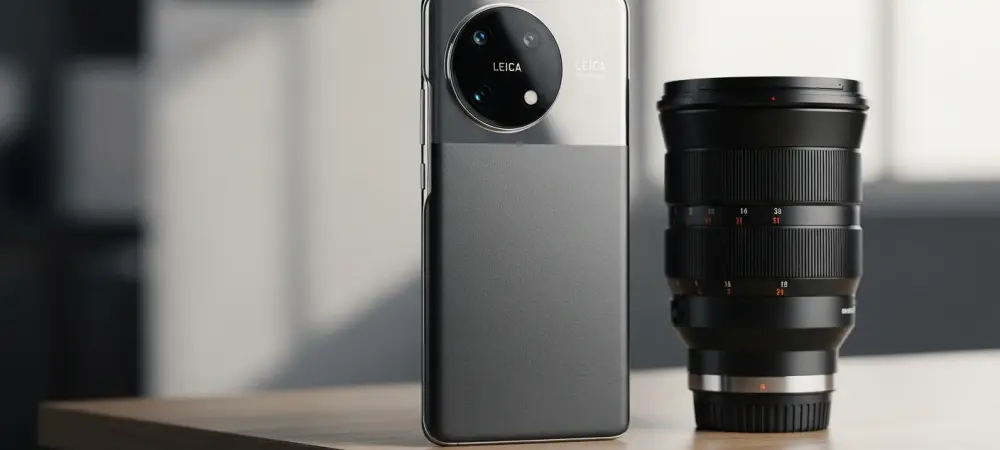
The pursuit of professional-grade imagery within a pocket-sized form factor has reached a fever pitch with the introduction of the Xiaomi 17 Ultra. This flagship arrives as a sophisticated statement of intent, blending avant-garde engineering with a storied optical heritage to challenge the traditional boundaries of what a smartphone can achieve. By integrating the world first 1-inch LOFIC sensor, Xiaomi is not just updating a product line but attempting to render dedicated compact cameras obsolete for the modern enthusiast.
This exploration delves into the hardware breakthroughs and strategic positioning that define the handset’s entry into the premium market. Readers can expect a detailed look at how the collaboration with Leica translates into real-world performance, alongside an analysis of the device’s robust internal specifications. From the ultra-bright display to the innovative cooling and battery solutions, the scope of this discussion covers everything an informed consumer needs to know about this new technological titan.
Key Questions or Key Topics Section
What Makes the Leica Camera System Unique?
The heart of this device lies in its revolutionary imaging stack, which centers on a massive 1-inch main sensor enhanced by LOFIC technology. This hardware choice is critical because it allows the camera to handle extreme dynamic range, capturing details in both harsh highlights and deep shadows that would typically be lost on smaller sensors. By partnering with Leica, Xiaomi has fine-tuned the color science and lens geometry to ensure that every shot maintains a natural, film-like quality rather than the over-processed look common in mobile photography.
Beyond the primary lens, the triple-camera array offers a versatile toolkit for any scenario, featuring a 200-megapixel telephoto lens capable of an astounding 120x digital zoom. This setup addresses the historical weakness of smartphones—long-distance clarity—while a 50-megapixel ultrawide lens handles expansive landscapes with minimal distortion. For those interested in cinematography, the ability to record 8K video at 30 fps ensures that the hardware remains relevant for professional content creation for years to come.
How Does the Hardware Performance Support Intense Tasks?
To manage the heavy data processing required by high-resolution imaging and modern software, the phone utilizes the Snapdragon 8 Elite Gen 5 chipset. This 3nm octa-core processor is designed to balance raw power with thermal efficiency, ensuring that the device does not throttle during long gaming sessions or extended 4K recording. Supported by 16GB of RAM, the system handles multitasking with ease, providing a fluid experience that feels instantaneous regardless of the workload.
The software experience is equally modern, as the device ships with HyperOS 3 based on Android 16. This integration allows for deeper optimization between the hardware and the user interface, resulting in better battery management and smoother animations. Furthermore, the 6.9-inch HyperRGB OLED display, boasting a peak brightness of 3,500 nits, ensures that the screen remains perfectly legible even under direct midday sun, while the Wet Touch technology allows for uninterrupted use in rainy conditions.
Is the Investment Justified by the Total Value Package?
Positioned at a premium price of Rs. 1,39,999, the Xiaomi 17 Ultra targets a specific demographic that values uncompromised quality over budget considerations. To ease the transition for early adopters, the initial launch included a professional photography kit that effectively transforms the smartphone into a traditional camera with physical controls. This strategy, combined with significant bank discounts and high-capacity 512GB storage as standard, reflects a shift toward providing a complete ecosystem rather than just a standalone handset. Reliability is bolstered by a massive 6,000mAh battery, which is significantly larger than what is found in most competing flagships. Charging is equally impressive, with 90W wired and 50W wireless options that minimize downtime. When combined with the IP68 water resistance and the durable Shield Glass 3.0, the device presents itself as a rugged yet refined tool capable of surviving the rigors of daily travel while delivering elite performance.
Summary or Recap
The Xiaomi 17 Ultra stands as a testament to the rapid evolution of mobile technology, specifically in the realms of optical engineering and processing power. Its primary strength lies in the 1-inch sensor and Leica partnership, which collectively raise the bar for mobile imaging. However, it is the secondary features—such as the 3,500-nit display, the Snapdragon 8 Elite Gen 5, and the high-capacity battery—that ensure the phone functions as a well-rounded flagship. These elements work in harmony to justify its position in the ultra-luxury segment.
The implications for the consumer are clear: the gap between professional equipment and the device in one’s pocket has never been smaller. While the price point is high, the inclusion of cutting-edge connectivity like Wi-Fi 7 and the innovative Wet Touch screen technology suggests a focus on longevity. For those seeking more information, looking into the specific capabilities of HyperOS 3 or comparing the LOFIC sensor performance against traditional CMOS sensors could provide even deeper insights into its market standing.
Conclusion or Final Thoughts
The release of this flagship indicated a pivotal moment where hardware limitations no longer dictated the quality of mobile art. It forced a conversation about the necessity of carrying dedicated cameras in an age where AI-assisted sensors achieved comparable results. Moving forward, potential users should evaluate how these high-end optics fit into their creative workflows, considering that the power of a studio now resides in a single handheld unit. As mobile ecosystems continued to mature, the focus shifted from mere specifications to the actual utility and tactile experience provided by such sophisticated tools.