

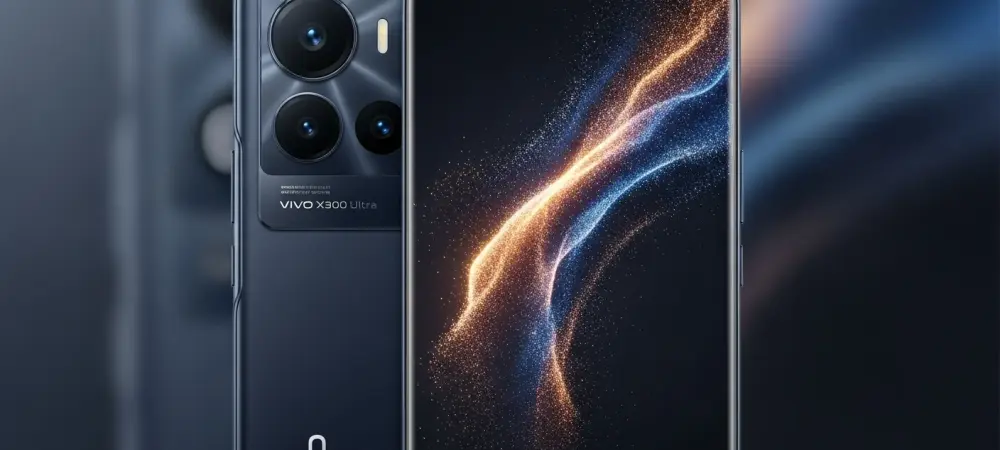
Bridging the Gap Between Mobile Mobility and Professional Imaging
The rapid convergence of high-end silicon and sophisticated optical engineering has fundamentally altered how modern storytellers perceive the necessity of heavy, traditional camera gear. With the official Indian launch of the Vivo X300 Ultra scheduled for May 6, the conversation regarding mobile photography has shifted from simple convenience to genuine professional utility. This market analysis explores whether the X300 Ultra, equipped with its massive sensors and Zeiss-backed optics, can truly serve as a primary tool for photographers and cinematographers. We will examine the device’s internal hardware, its modular potential, and how it stacks up against the traditional heavyweights of the imaging world.
The Evolution of Mobile Optics and the Pursuit of Perfection
To understand the significance of the X300 Ultra, one must look at the trajectory of mobile imaging over the last decade. We have moved from small, noisy sensors to complex multi-lens systems that rival the clarity of dedicated point-and-shoot cameras. Vivo’s long-standing partnership with Zeiss has been a cornerstone of this evolution, bringing T* coating and sophisticated color science to the palm of the hand. These past developments have paved the way for the current “Ultra” era, where smartphones are no longer just communication devices but sophisticated optical instruments designed to meet the demands of modern visual storytelling.
Decoding the Technological Arsenal of the X300 Ultra
Harnessing High-Resolution Sensors and Zeiss Precision
The X300 Ultra centers its appeal on an industry-leading Zeiss Master Lenses system. At its heart lies a 200-megapixel documentary camera complemented by a 200-megapixel APO telephoto lens featuring gimbal-grade stabilization. This resolution isn’t just for marketing; it allows for incredible detail retention and the ability to crop images without losing professional-grade sharpness. By integrating Zeiss-tuned sensors, Vivo addresses the common pitfalls of mobile photography, such as chromatic aberration and poor low-light performance, offering a level of fidelity that was once the exclusive domain of full-frame cameras.
Redefining Mobile Cinematography through Professional Workflows
Beyond still photography, the X300 Ultra aims to disrupt the filmmaking industry. With support for 4K recording at 120fps and 10-bit log video, the device provides the dynamic range necessary for high-end color grading. The inclusion of ACES (Academy Color Encoding System) integration is a game-changer, allowing mobile footage to fit seamlessly into professional post-production pipelines. This capability challenges the need for bulky video rigs in scenarios where speed and agility are paramount, such as documentary filmmaking or high-end social media production.
Modularity and the Rise of the Hybrid Photographer Kit
Perhaps the most intriguing aspect of the X300 Ultra is its shift toward modularity. The introduction of the “Photographer Kit”—which includes a physical imaging grip with a built-in battery and external Zeiss telephoto extenders for 200mm and 400mm reaches—transforms the ergonomics of the phone. This approach addresses the physical limitations of smartphones, such as the lack of a tactile shutter or limited optical reach. By offering these specialized accessories, Vivo provides a bridge for traditional photographers who miss the physical feedback and extended focal lengths of a dedicated camera body.
Anticipating the Next Era of Computational Photography and Device Longevity
Looking forward, the X300 Ultra represents a broader shift toward silicon-led imaging. Powered by the Snapdragon 8 Elite Gen 5 chipset, the device uses immense computational power to process images in real-time, often surpassing what a traditional camera can do without manual editing. Furthermore, Vivo is signaling a commitment to longevity by promising five years of OS updates and seven years of security patches. This trend suggests that the “professional camera” of the future will be a long-term investment in both hardware and evolving AI software, ensuring the device remains relevant through several technological cycles.
Navigating the Transition: Strategies for Professionals and Enthusiasts
For those considering the switch to a mobile-first workflow, the X300 Ultra offers a compelling case, but it requires a change in strategy. Professionals should leverage the device’s 100W wired charging and 6,600mAh battery to maintain long shooting sessions without the weight of extra power packs. To get the most out of the system, users should embrace the 10-bit log features and the modular grip for better stability. While it may not entirely replace a medium-format camera in a studio setting, it serves as an unrivaled “B-cam” or a primary tool for journalists and creators who value portability without sacrificing image quality.
The Verdict on the Smartphone as a Professional Mainstay
The Vivo X300 Ultra functioned as more than just a smartphone; it served as a sophisticated imaging platform that challenged our definitions of professional gear. By combining high-resolution Zeiss optics, advanced filmmaking workflows, and a modular ecosystem, it effectively narrowed the gap between mobile and traditional photography. While professional cameras always maintained a place in specific high-end niches, the X300 Ultra proved that for the vast majority of professional applications, the best camera was indeed the one that stayed in a creator’s pocket. It established a new standard where portability and excellence were no longer mutually exclusive.