
Can the Galaxy S25 Edge Outshine the iPhone 17 Air?

Article Highlights
Off On

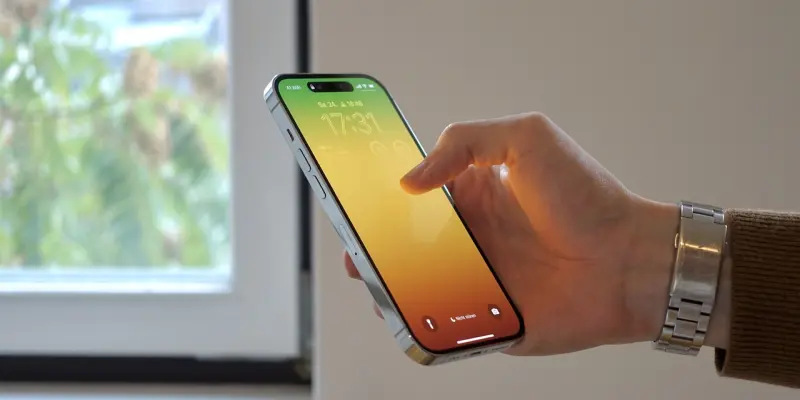
The Samsung Galaxy S25 Edge has entered the smartphone arena, creating a buzz as it aims to rival Apple’s iPhone 17 Air. It exudes innovation with a sleek 5.8mm profile and a lightweight of 163 grams. At its core, a 3,900 mAh battery powers this device, offering up to 25 watts of wired charging, achieving over half a charge in about 30 minutes, and supporting wireless charging too. The device’s modern aesthetics meet functionality effortlessly. Its standout feature is a 6.7-inch Dynamic AMOLED 2X display boasting QHD+ resolution and a refresh rate from 1 to 120 Hz for enhanced energy conservation. With protection from Gorilla Glass Ceramic 2, this phone is designed for durability. Inside, the Snapdragon 8 Elite for Galaxy processor, complemented by 12GB of RAM and storage options of 256GB or 512GB, positions the phone as formidable hardware. Photographers will appreciate the 200 MP main camera with optical image stabilization, a 12 MP ultrawide lens, and a 12 MP front camera, catering to those who seek quality imagery. Running on Android 15 with One UI 7, it offers a smooth, customizable user experience. The design, marked by a robust titanium frame, comes in Titanium Silver, Jet Black, and Icy Blue, blending style with strength. Priced at $1,099, pre-orders offer a free upgrade to the 512GB model, showcasing value. Samsung’s trade-in deals further incentivize potential buyers. As the Galaxy S25 Edge anticipates facing the iPhone 17 Air, the real test will be in consumer preference, a pivotal factor in this tech rivalry.

Explore more

How Companies Can Fix the 2026 AI Customer Experience Crisis

The frustration of spending twenty minutes trapped in a digital labyrinth only to have a chatbot claim it does not understand basic English has become the defining failure of modern corporate strategy. When a customer navigates a complex self-service menu only to be told the system lacks the capacity to assist, the immediate consequence is not merely annoyance; it is

Customer Experience Must Shift From Philosophy to Operations

The decorative posters that once adorned corporate hallways with platitudes about customer-centricity are finally being replaced by the cold, hard reality of operational spreadsheets and real-time performance data. This paradox suggests a grim reality for modern business leaders: the traditional approach to customer experience isn’t just stalled; it is actively failing to meet the demands of a high-stakes economy. Organizations

Strategies and Tools for the 2026 DevSecOps Landscape

The persistent tension between rapid software deployment and the necessity for impenetrable security protocols has fundamentally reshaped how digital architectures are constructed and maintained within the contemporary technological environment. As organizations grapple with the reality of constant delivery cycles, the old ways of protecting data and infrastructure are proving insufficient. In the current era, where the gap between code commit

Observability Transforms Continuous Testing in Cloud DevOps

Software engineering teams often wake up to the harsh reality that a pristine green dashboard in the staging environment offers zero protection against a catastrophic failure in the live production cloud. This disconnect represents a fundamental shift in the digital landscape where the “it worked in staging” excuse has become a relic of a simpler era. Despite a suite of

The Shift From Account-Based to Agent-Based Marketing

Modern B2B procurement cycles are no longer initiated by human executives browsing LinkedIn or attending trade shows but by autonomous digital researchers that process millions of data points in seconds. These digital intermediaries act as tireless gatekeepers, sifting through white papers, technical documentation, and peer reviews long before a human decision-maker ever sees a branded slide deck. The transition from