

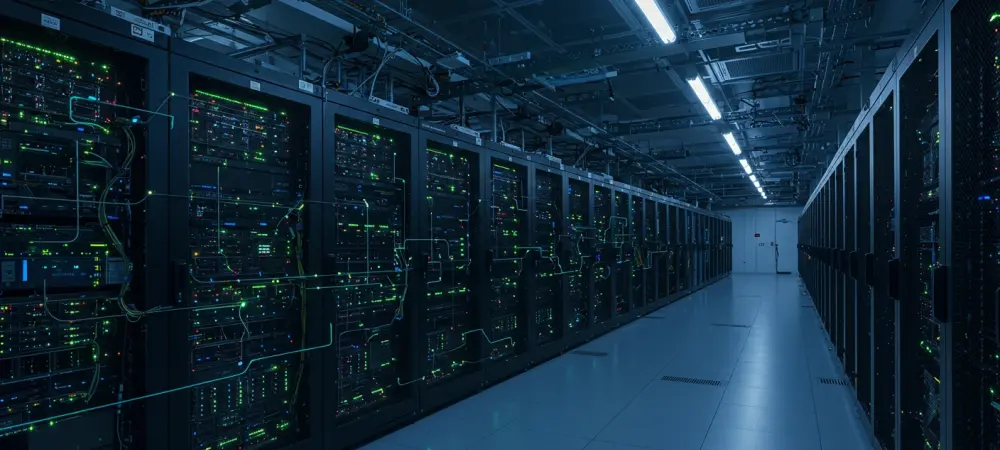
In an era defined by rapid technological advancements, the AI and data center industry stands at the forefront of digital transformation. The landscape is fiercely competitive and constantly evolving, driven by the burgeoning demand for computational power to fuel artificial intelligence models. At the center of this development is Elon Musk’s AI startup, xAI, which is actively exploring the possibility of expanding its data center infrastructure by partnering with entities in Saudi Arabia. This strategic move could be pivotal in navigating the challenges of energy efficiency, geopolitical alliances, and technological innovation that define this industry.
Overview of the AI and Data Center Industry
The AI and data center industry occupies a critical role in the modern economy, serving as the backbone of digital operations across multiple sectors. AI technologies are embedded in various segments, including deep learning, natural language processing, and computer vision, which drive efficiency and innovation. The data center sector, providing the necessary infrastructure for these technologies, represents a convergence of hardware, software, and energy solutions. Key players dominate the market, including tech giants and specialized firms, while regulatory frameworks establish standards for operation and compliance. The AI and data center industry, with its vast scope and significance, continues to expand its footprint globally.
Key Trends Shaping the AI and Data Center Market
Emerging Trends and Market Drivers
The AI and data center market is shaped by several emerging trends and drivers. A notable trend is the integration of edge computing, which enhances processing capability at data sources, reducing latency. Market growth is also driven by an increasing demand for AI-powered solutions in sectors such as healthcare, finance, and transportation. As consumer behavior shifts towards digital platforms, opportunities for developing advanced AI applications proliferate. Moreover, energy efficiency has become a focus area, as companies seek locations with favorable energy costs and reliable political environments to improve sustainability.
Market Projections and Growth Indicators
The AI and data center industries are poised for substantial growth, with projections indicating robust market expansion over the coming years. Recent data suggests rising investment and interest in AI technologies, reflected in the increasing number of partnerships and acquisitions. Performance indicators such as data processing speed, energy consumption, and scalability underscore the industry’s potential. Forward-looking perspectives highlight the transformative impact of AI, with data centers becoming more central to operations across industries. This growth trajectory suggests a dynamic marketplace driven by technological advancements and strategic investments.
Challenges and Potential Solutions in the AI and Data Center Sector
The industry faces several challenges, ranging from technological and regulatory complexities to market-driven demands. Technological hurdles include adapting infrastructure to accommodate high-performance computing and advanced AI models. Regulatory issues involve navigating international compliance standards and data privacy laws. Furthermore, market conditions can pose constraints on resource availability and operational scalability. Potential solutions involve adopting modular data center designs, leveraging renewable energy sources for sustainability, and collaborating with stakeholders to enhance cross-border regulatory alignment. By addressing these challenges, the industry can sustain its growth and innovation momentum.
Regulatory Environment and Its Impact
The critical role of regulation in the AI and data center industries cannot be understated. Laws and standards focusing on data security, privacy, and environmental impact significantly influence operations. Recent regulatory changes necessitate adjustments in compliance strategies and security measures to mitigate risks. As regulations evolve, they shape industry practices and drive companies to innovate while ensuring responsible technology use. The regulatory environment, therefore, serves as both a guide and a challenge, pushing the industry towards sustainable and secure growth.
Future Directions for AI and Data Centers
Looking ahead, the AI and data center sectors are poised to explore new frontiers, fueled by the promise of emerging technologies and changing consumer preferences. Innovations in quantum computing and AI ethics may redefine market paradigms and influence investment patterns. Evolving consumer preferences will likely drive demand for more personalized and efficient AI solutions. Potential market disruptors, such as breakthroughs in energy-efficient hardware, could alter competitive dynamics. The continual interplay between innovation, regulation, and global economic conditions will dictate the industry’s future trajectory, opening new avenues for exploration and growth.
Conclusion and Strategic Recommendations
In summation, the AI and data center landscape reflects a dynamic interplay between technological ambition, regulatory influence, and market demands. As xAI considers its strategic options, Saudi Arabia emerges as a feasible partner capable of addressing key industry challenges. Strategic investments in energy-efficient infrastructure and regulatory alignment offer pathways to sustainable growth. By capitalizing on emerging opportunities and navigating existing hurdles, the AI and data center industry is poised to chart a course toward robust and transformative advancements. Concrete actions include fostering partnerships and investing in scalable innovations, aligning with the industry’s promising potential.