

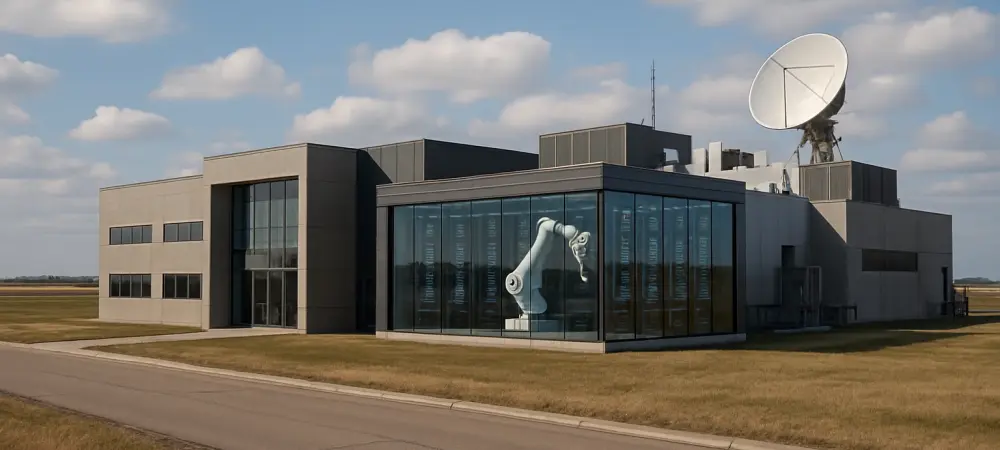
In an era where artificial intelligence is reshaping industries at an unprecedented pace, the demand for robust computational infrastructure has never been higher, and an unlikely contender, North Dakota, is stepping into the spotlight with its vast prairies and agricultural roots. This state is emerging as a potential powerhouse for AI data centers, driven by innovative companies and strategic advantages. A notable player in this transformation is Applied Digital, a firm that has shifted its focus from cryptocurrency mining to high-performance computing (HPC) and AI infrastructure. With ambitious plans for a massive new campus near Harwood in Cass County, just outside Fargo, the state is positioning itself as a critical node in the tech landscape. This development raises intriguing questions about whether North Dakota can sustain such growth and become a central hub for AI capacity, leveraging its unique resources and partnerships to meet soaring global demand.
A Bold Vision for AI Infrastructure
The centerpiece of this technological surge is Applied Digital’s Polaris Forge 2 campus, a $3 billion, 280MW project set to break ground soon near Harwood. Spanning an impressive 900 acres, the campus will initially feature two buildings with operations starting next year and reaching full capacity by early 2027. What sets this project apart is its focus on cutting-edge design tailored for AI and HPC workloads, utilizing proprietary liquid-cooled technology to ensure efficiency. Power for the site has been secured through a collaboration with Cass County Electric Cooperative, a member-owned entity, highlighting a blend of innovation and community-oriented planning. This initiative builds on Applied Digital’s existing presence in the state, mirroring the successful repurposing of their Polaris Forge 1 campus in Ellendale for AI needs. The strategic choice of location underscores North Dakota’s appeal, with its access to reliable energy and supportive local policies paving the way for such large-scale tech investments.
Beyond the technical specifications, the Polaris Forge 2 project signals a broader industry shift, as companies adapt to the escalating computational requirements of AI technologies. Applied Digital’s transition from blockchain operations to hosting advanced hardware like Nvidia Blackwell GPUs reflects a trend of repurposing infrastructure for more sustainable and high-demand purposes. Strong market interest is already evident, with advanced negotiations underway with a US-based investment-grade hyperscaler, pointing to robust confidence in the project’s potential. State officials, including Governor Kelly Armstrong, have voiced strong support, noting the economic ripple effects beyond just job creation. Contributions such as workforce housing and community partnerships in areas like Ellendale demonstrate a commitment to local development, making this more than just a tech endeavor but a catalyst for regional growth.
Strategic Advantages of North Dakota
North Dakota’s rise as a potential AI hub is not merely a matter of chance but a result of several inherent strengths that align with the needs of data center operations. The state offers a favorable environment with access to affordable and reliable power, a critical factor for energy-intensive AI and HPC facilities. Additionally, the region’s cooler climate naturally aids in reducing cooling costs, a significant operational expense for data centers. Applied Digital’s choice to expand here, with facilities like the 106MW site in Jamestown and plans for further regional growth in places like Iowa and South Dakota, highlights a calculated strategy to capitalize on these benefits. The partnership with local cooperatives ensures a stable energy supply while fostering goodwill among communities, creating a symbiotic relationship that could serve as a model for other states looking to attract tech investments.
Moreover, the state’s proactive stance in welcoming such projects adds to its allure as a destination for tech infrastructure. Endorsements from local leaders and entities like Cass County Electric Cooperative emphasize a balance between technological advancement and cooperative values, ensuring that innovation does not come at the expense of community needs. CEO Wes Cummins of Applied Digital has pointed to North Dakota as a cornerstone of their rapid expansion, citing the state’s readiness to support large-scale projects. This alignment of corporate goals with regional capabilities suggests that North Dakota could indeed carve out a niche in the competitive landscape of AI data centers. As demand for computational power continues to grow, the state’s ability to offer scalable solutions and infrastructure-ready locations positions it as a serious contender in the national tech arena.
Future Implications and Industry Trends
Looking ahead, Applied Digital’s initiatives in North Dakota reflect a pivotal moment in the evolution of data center infrastructure, driven by the insatiable appetite for AI capabilities. The company’s pivot to AI cloud services and HPC hosting mirrors a global trend where computational resources are being realigned to support emerging technologies. With operations extending beyond state lines, their multi-regional strategy indicates a vision for scalable, future-ready facilities that can adapt to shifting market needs. The integration of advanced cooling technologies and partnerships with major tech players further solidifies their role as a frontrunner in this space. North Dakota, through such projects, stands to gain not only economically but also as a recognized hub for cutting-edge innovation, potentially attracting more tech giants to explore similar opportunities.
Reflecting on the broader impact, it’s evident that the developments in North Dakota capture a critical intersection of technology and regional progress in recent times. The successful groundwork laid by Polaris Forge 2 and its predecessor sets a precedent for how states with non-traditional tech profiles can adapt to modern demands. As these projects unfold, they offer valuable lessons on balancing innovation with community benefits, ensuring that economic boosts are felt locally. Moving forward, stakeholders need to focus on sustaining this momentum by investing in workforce development and infrastructure resilience. Continued collaboration between tech firms, local governments, and cooperatives remains essential to address challenges like energy demands and environmental concerns. By prioritizing scalable and sustainable growth, North Dakota could solidify its place in the AI landscape, proving that even unexpected regions hold the potential to shape the future of technology.