

I’m thrilled to sit down with Dominic Jainy, a seasoned IT professional whose expertise in artificial intelligence, machine learning, and blockchain offers a unique perspective on the evolving landscape of digital infrastructure. With Apollo Global Management’s recent acquisition of a majority stake in Stream Data Centers, Dominic is the perfect person to help us unpack the implications of this deal and the broader trends shaping the industry. Today, we’ll explore the strategic motivations behind such investments, the growing importance of data centers in the age of AI, and what this means for the future of digital infrastructure.
Can you walk us through what makes a company like Stream Data Centers an attractive investment for a firm like Apollo Global Management?
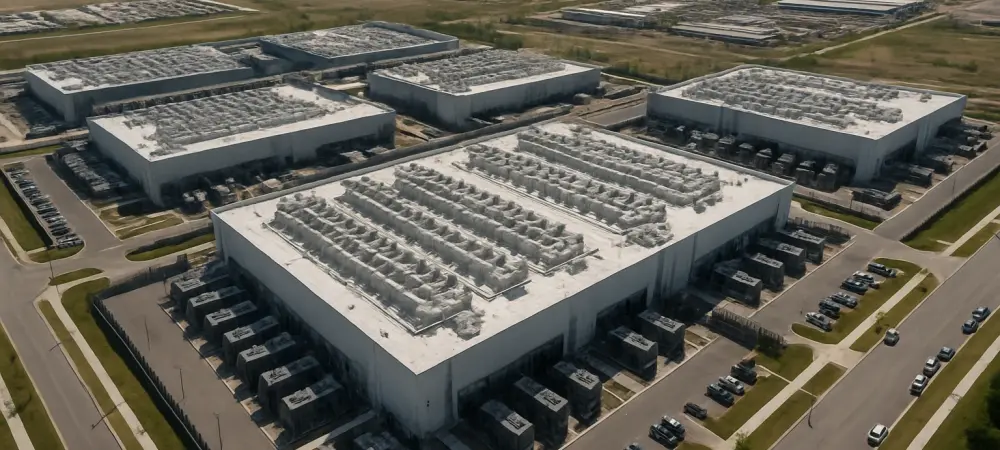
Absolutely. Stream Data Centers stands out because of its focus on building and operating large-scale data center campuses in key markets like Chicago, Atlanta, and Dallas. These locations are critical hubs for data traffic and business activity. What likely caught Apollo’s eye is the surging demand for data storage and processing power, especially with AI and cloud computing driving unprecedented needs. Stream’s existing infrastructure and long-term lease agreements provide a stable revenue stream, which is incredibly appealing for an asset manager looking to balance risk and reward in the digital infrastructure space.
How does this acquisition align with broader investment strategies in alternative asset management today?
This move fits perfectly into the trend of alternative asset managers diversifying into next-generation infrastructure. Firms are increasingly looking beyond traditional real estate or energy investments and focusing on digital assets like data centers, which are essentially the backbone of the modern economy. Apollo, for instance, has already invested $38 billion since 2022 in areas like renewable energy and digital platforms. This acquisition signals a strategic pivot toward tech-driven infrastructure, where growth potential is tied to global digitization and AI adoption—sectors that are expected to see massive capital expenditure in the coming years.
What can you tell us about the financial scale and structure of deals like this, even if specific terms aren’t public?
While the exact figures for the Stream Data Centers deal aren’t disclosed, we can infer it’s a significant investment given the market dynamics. Data center acquisitions often run into the billions, as seen with other major players in the space. Apollo’s ability to potentially channel billions into digital infrastructure through this deal suggests a long-term commitment. Additionally, the mention of investment-grade financing for projects indicates they’re structuring the deal to attract institutional capital, reducing borrowing costs and enhancing scalability for future expansion.
How do you see the role of Stream Data Centers’ management team evolving after this acquisition?
It’s notable that Stream’s management team is retaining a minority interest, which suggests they’ll continue to play a key role in day-to-day operations and strategic planning. This kind of arrangement is common in acquisitions where the buyer values the existing expertise and relationships. Their deep knowledge of the data center market will likely be critical as Apollo looks to scale operations or explore new opportunities in the sector, ensuring continuity while benefiting from Apollo’s financial muscle and broader network.
What impact do you think this partnership will have on the data center campuses in markets like Chicago, Atlanta, and Dallas?
I expect we’ll see both expansion and upgrades in these locations. These markets are already high-demand areas for data infrastructure due to their connectivity and business density. With Apollo’s backing, Stream Data Centers could accelerate development, potentially adding capacity or modernizing facilities to handle the intense computational needs of AI workloads. Long-term leases mentioned in the deal also indicate a focus on locking in stable, recurring revenue while meeting the growing appetite for data services in these regions.
Why is digital infrastructure, particularly data centers, becoming such a hot area for investment right now?
The explosion of artificial intelligence is a huge driver. AI applications, from machine learning models to generative tools, require massive amounts of data processing and storage, which data centers provide. Beyond AI, the shift to cloud computing, streaming services, and IoT devices means that digital infrastructure is no longer a niche—it’s a necessity. Investors like Apollo see this as a generational opportunity because the demand is only going to grow, with estimates suggesting trillions in capital expenditure on AI alone over the next few years.
How significant is the investment-grade rating for financing projects in this space, and what does it mean for the industry?
Achieving an investment-grade rating for financing is a game-changer. It means that the projects are seen as low-risk by credit agencies, which allows for cheaper borrowing costs and attracts a wider pool of institutional investors, like pension funds or insurance companies. For data center projects, this could translate to faster funding for large-scale builds or upgrades. It also signals confidence in the sector’s stability and growth potential, which could encourage even more investment into digital infrastructure as a whole.
Looking ahead, what are some of the broader trends in digital infrastructure that you think will shape investments over the next decade?
One major trend is the integration of sustainability into digital infrastructure. Data centers consume enormous amounts of energy, so there’s a push toward renewable power sources and energy-efficient designs. Another is the rise of edge computing, where data processing happens closer to the end user, requiring smaller, distributed data centers. And of course, AI will continue to drive demand for hyperscale facilities. Investors will likely focus on companies that can balance these technological and environmental demands while capitalizing on the data explosion.
What is your forecast for the future of data centers and digital infrastructure as AI continues to evolve?
I’m incredibly bullish on this space. As AI becomes more pervasive—think autonomous vehicles, personalized healthcare, or smart cities—the need for data centers will skyrocket. We’re likely to see a bifurcation where hyperscale centers handle massive AI workloads, while edge data centers cater to localized, low-latency needs. Investment in this sector will probably grow exponentially, but it’ll come with challenges like energy consumption and regulatory scrutiny. Firms that can innovate around these hurdles will lead the pack, and I believe we’re just at the beginning of a transformative decade for digital infrastructure.