

Introduction
The rapid expansion of digital infrastructure in the Irish countryside has sparked a massive debate over whether a single nation can sustain both its climate goals and a booming tech sector. This friction centers on the approval of a one-billion-euro project in Westmeath, which serves as a litmus test for the regional economy. This article explores the Red Admiral development and how it aims to balance high-energy demands with sustainability.
Key Topics: Innovation and Energy Stability
What Makes the Westmeath Project a Unique Development?
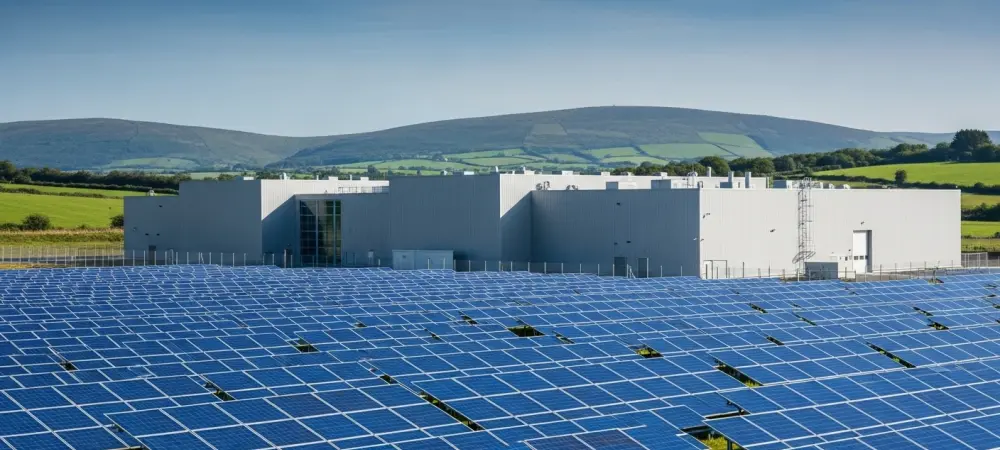
The proposal near Rochfortbridge covers six hundred acres and includes six specialized data center buildings. It creates a unique ecosystem where digital storage meets massive on-site power generation. This scale reflects the increasing necessity for tech hubs to manage their own utility requirements rather than relying solely on the public grid. The integration of a solar farm and fuel cells distinguishes this plan from traditional facilities. These innovations reduce the burden on the national utility provider by keeping data processing close to the renewable sources that sustain it. Furthermore, the use of battery storage systems ensures that the facility maintains a steady output regardless of fluctuations in weather patterns.
How Does This Campus Address the Ongoing Energy Crisis?
With data centers currently consuming twenty percent of Irish electricity, grid instability is a major concern for the public. This project uses renewable inputs to offset the heavy electrical draw required by the campus. By doing so, the developers aim to mitigate the environmental footprint while continuing to support the country’s technological growth.
Utilizing a solar array provides a necessary buffer during peak demand periods. The facility seeks to prove that industrial growth can occur without compromising national energy security or the integrity of rural landscapes. However, balancing these industrial requirements with local community interests remains a significant challenge for future regional planning.
Summary: Balancing Growth and Sustainability
The Red Admiral project marks a defining moment for the Irish energy landscape. By combining digital infrastructure with solar power, the plan addresses increasing power needs during a green transition. This model prioritizes self-sufficiency to mitigate the environmental footprint typically associated with large-scale data processing. Such an integrated approach offers a potential solution for maintaining economic competitiveness without overloading the existing electrical infrastructure.
Conclusion: Paving the Way for Future Infrastructure
Stakeholders recognized that isolated industrial expansion reached its limit as grid capacity became a national priority. Integrating renewable systems into the campus provided a blueprint for how the tech sector adapted to environmental standards. This approach ensured that future facilities balanced economic growth with public utility stability. Ultimately, the successful deployment of this hybrid model established a more resilient framework for technological development across the region.