

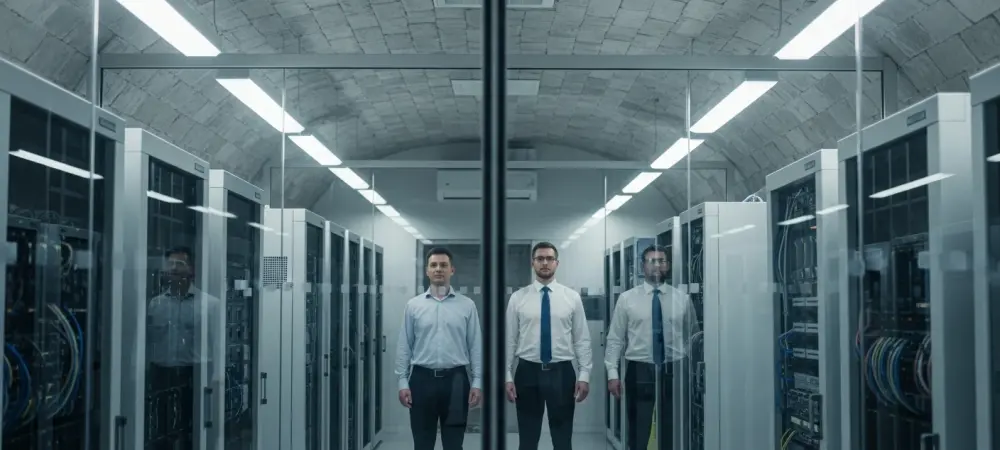
A Fortress for AI Sovereignty: Beneath the Judean Hills
Deep within the rocky terrain of Beth Shemesh, a new era of digital resilience is taking shape through a massive subterranean engineering feat that merges national security with high-end cloud computing. While traditional data centers rise as monolithic blocks in industrial parks, VisionWave is digging deep into the Earth to redefine digital security. This Nasdaq-listed firm, previously known for defense drones and AI software, is now pivoting toward heavy infrastructure to meet the modern demand for physical hardening.
This bold move aims to protect the world’s most sensitive data within a facility designed to survive the greatest threats of the current age. By transitioning into the infrastructure sector, the company is creating a secure sanctuary for compute-intensive workloads. This shift reflects a commitment to move from providing niche defense software to managing the physical foundations of digital power.
The Inevitable Intersection: National Defense and Digital Infrastructure
The global market is witnessing an unprecedented convergence where defense technology and physical data storage become inseparable components of stability. For organizations like VisionWave, moving into the infrastructure sector is a strategic alignment with the needs of the defense and artificial intelligence industries. As high-stakes computing requires more power and significantly more protection, the demand for specialized facilities is creating a new asset class. This intersection illustrates how digital infrastructure is now treated with the same urgency as national borders. The shift toward underground storage ensures that even in times of extreme tension, the digital heartbeat of a region remains uninterrupted. By marrying defense-grade security with commercial utility, the project serves as a template for future developments where national security and technology are one.
Blueprint for a Subterranean Tier IV Data Campus
The proposed facility in Beth Shemesh is engineered to exceed standard commercial specifications by prioritizing density and durability. The first phase covers approximately 15,000 square meters across ten dedicated data halls, targeting a 10.5MW IT load. This capacity is specifically designed to handle the power-hungry requirements of modern AI models and large-scale enterprise applications.
To support these workloads, the facility utilizes advanced liquid-cooling technology and a 2N redundant topology. Its strategic location, situated underground adjacent to the Galilee Medical Center, provides a unique logistical advantage for sensitive regional operations. This project is a collaboration with Lucky Whale Production Limited, combining local land assets with international project management expertise to ensure precise execution.
Anchoring Reliability: Hardened Environments and Strategic Partnerships
Credibility in the data center world is measured by uptime and rigorous third-party validation. By targeting the Uptime Institute’s Tier IV certification, VisionWave is committing to the highest level of fault tolerance available in the industry. This standard ensures that the infrastructure remains operational even during major equipment failures or external disruptions, a necessity for defense-related clients.
Furthermore, the strategic proximity to critical medical infrastructure suggests a focus on essential services that require absolute uptime. The company’s background in Edge processing provides the technical pedigree necessary to manage complex, high-density computing environments. These strategic partnerships and technical benchmarks solidify the facility’s role as a cornerstone of the regional digital economy.
Financial Strategies: Orchestrating a Large-Scale Tech Pivot
Transitioning from a software-focused model to heavy industrial infrastructure requires a sophisticated approach to capital and risk. VisionWave is securing a 51 percent ownership stake by issuing $40 million in shares, which preserves cash for operational development. This equity-based model allows the company to secure land and assets without an immediate upfront cash outlay during the due diligence phase.
The project also utilizes specialized project-finance facilities to scale construction as milestones are met. As a Nasdaq-listed entity, the company can leverage public markets to fund the substantial capital expenditures required for high-density hardware. This financial framework ensured that the transition from defense tech to infrastructure remained grounded in long-term viability.
The project represented a fundamental shift for VisionWave, transforming the firm into a vital participant in the global digital infrastructure landscape. Leaders successfully bridged the gap between virtual security and physical fortification, proving that sovereign data required more than just digital encryption. Stakeholders began to prioritize these hardened environments, leading to a new standard for how regional data hubs were developed and defended. This initiative ultimately provided a roadmap for other tech firms to diversify their assets while strengthening local technological sovereignty.