

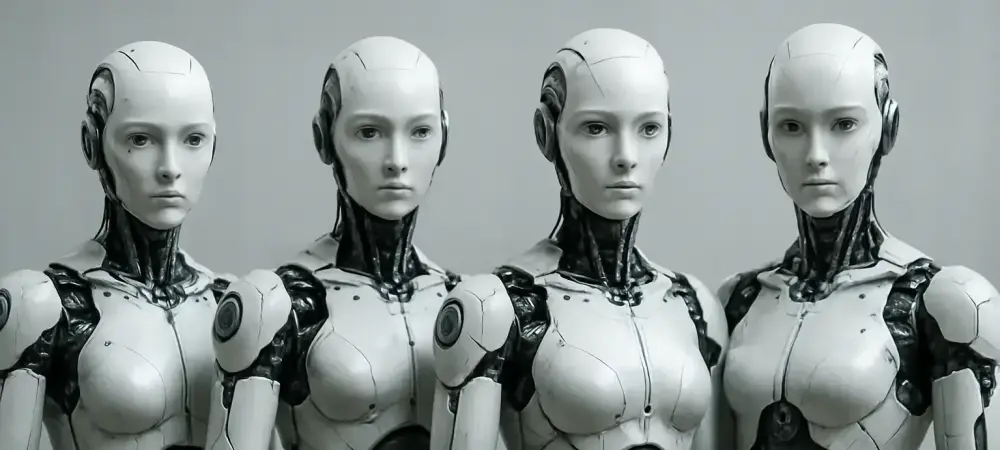
Imagine walking into a convenience store where a humanoid robot seamlessly restocks shelves, organizes products, and even assists with customer inquiries, all while human staff focus on providing personalized service. This futuristic vision is closer to reality than many might think, thanks to a pioneering partnership between Seven-Eleven Japan and robotics innovator Telexistence. Their collaboration aims to deploy advanced humanoid robots in stores within the next few years, targeting a transformative rollout by 2029. The initiative is driven by pressing challenges in the retail sector, including labor shortages, rising costs, and the need to meet ever-evolving customer expectations. By integrating cutting-edge technology, this project seeks to redefine operational efficiency and reshape the shopping experience. The implications of such innovation extend far beyond convenience stores, hinting at a broader shift in how industries address workforce constraints through automation and artificial intelligence.
Advancing Retail with AI-Driven Humanoids
At the heart of this ambitious endeavor is Astra, a humanoid robot developed with generative AI and vision-language-action (VLA) models. These sophisticated systems enable Astra to execute complex, multi-step tasks by combining visual perception, natural language comprehension, and precise action generation. The goal is to automate routine in-store activities, such as restocking inventory and maintaining store organization, thereby reducing the burden on human employees. This allows staff to prioritize customer-facing roles that require empathy and problem-solving skills. Seven-Eleven Japan, with its extensive network of around 20,000 stores, provides an ideal testing ground for refining these technologies. Telexistence brings its expertise in robotics to the table, building on previous trials like a drink-restocking robot pilot in select Tokyo locations. Together, they aim to create a robust dataset for AI training, ensuring that VLA models can adapt to real-world retail environments with accuracy and efficiency over the coming years.
Scaling Innovation Through Strategic Collaboration
The scope of this partnership extends beyond technology development, tapping into academic and industry expertise to accelerate progress. Collaborations with esteemed institutions such as Waseda University, the University of Tokyo, and the AI Robot Association in Japan are pivotal in shaping the future of humanoid robotics for retail applications. These alliances focus on identifying key areas for automation and designing robots tailored to the unique demands of convenience stores. The vast store network of Seven-Eleven Japan offers an unparalleled opportunity to gather training resources for VLA models, integrating perception, planning, and control into a seamless system. This synergy is expected to fast-track the practical deployment of robots on a massive scale by 2029. Reflecting on past efforts, the collaboration builds on earlier innovations and adapts to modern challenges, setting a benchmark for how technology and business needs converge to address labor issues and enhance service quality in retail settings.