

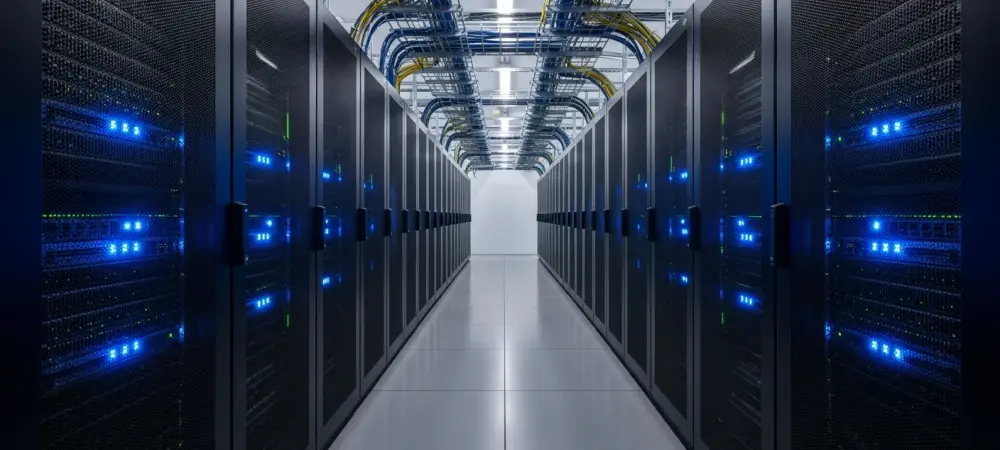
The rapid expansion of artificial intelligence continues to place unprecedented strain on global energy grids, forcing tech giants to seek out locations that offer both vast computing space and carbon-neutral power sources. Sweden has emerged as a primary destination for this expansion, specifically with Google’s latest data center facility situated in Horndal, which represents a massive investment in the future of the regional digital economy. This project is not merely a physical expansion of servers but a strategic attempt to harmonize the massive compute requirements of generative AI with stringent environmental standards. As machine learning models become increasingly complex, the energy required to train and maintain them has skyrocketed, leading to a critical juncture where the technology industry must prove its commitment to sustainability. This facility serves as a testing ground for whether high-density computing can truly operate without compromising the delicate balance of the local ecosystem.
Infrastructure Strategies for Northern Expansion
Renewable Energy Integration: The Nordic Advantage
The decision to establish a presence in the Nordic region is deeply rooted in the availability of consistent renewable energy sources that are often scarce in more traditional tech hubs. Sweden provides a unique mix of hydroelectric power and onshore wind energy, which creates a robust foundation for operations that must run twenty-four hours a day without interruption. By tapping into the regional grid, the facility avoids the reliance on fossil-fuel-backed energy that plagues many data centers in North America or Central Europe. Furthermore, the local government has historically supported industrial electrification, ensuring that the infrastructure necessary to transport high-voltage electricity is already in place and capable of handling the surge in demand. This geographic strategy allows for a significant reduction in the carbon footprint of AI operations from the moment the servers are powered on. The abundance of clean energy in this specific corridor helps insulate operations. To ensure the longevity of these green operations, the project utilizes long-term power purchase agreements that stimulate the growth of new renewable energy projects across the Swedish countryside. These agreements provide the financial certainty required for energy developers to build additional wind farms, effectively increasing the total volume of clean power available to the entire nation rather than just consuming what already exists. This additionality is a cornerstone of modern corporate responsibility, ensuring that the presence of a massive data center does not lead to an increase in carbon emissions for other local industries. The integration of advanced grid-aware software allows the data center to adjust its non-critical workloads based on the current supply of wind or water, shifting intensive processing tasks to periods when renewable generation is at its peak. This dynamic interaction between the computing facility and the national energy provider serves as a useful blueprint.
Thermal Efficiency: Managing Heat in Cold Climates
The cold Swedish climate offers a natural solution to one of the most persistent problems in data center management, which is the dissipation of massive amounts of heat generated by high-performance GPUs. Traditional facilities often require energy-intensive mechanical chilling systems that consume nearly as much power as the servers themselves, but the Horndal site utilizes ambient air cooling to maintain optimal temperatures. By drawing in the naturally cool outdoor air, the facility drastically reduces its Power Usage Effectiveness ratio, a metric that determines the efficiency of a data center’s energy consumption. This approach significantly lowers the operational costs and the environmental impact associated with water usage, which is another critical concern for large-scale facilities in drier regions. The architectural design incorporates sophisticated airflow management systems that ensure every unit of cool air is utilized effectively before being recycled or released.
Future developments in the sector required a shift toward localized energy solutions that integrated seamlessly with existing public infrastructure to maximize resource utility. The implementation of waste heat recovery and real-time carbon tracking offered a practical path for organizations to move beyond superficial sustainability claims into verifiable environmental stewardship. Decision-makers in the tech industry needed to prioritize geographic locations that supported high-density renewable energy access while investing in the necessary hardware to participate in grid-balancing initiatives. Policy advocates observed that the combination of strict regulatory oversight and corporate innovation led to more resilient digital networks that did not compromise local resource availability. To replicate this success, companies began focusing on the procurement of local renewable energy rather than relying on distant credits. This strategy ensured computing power remained a driver for growth.