

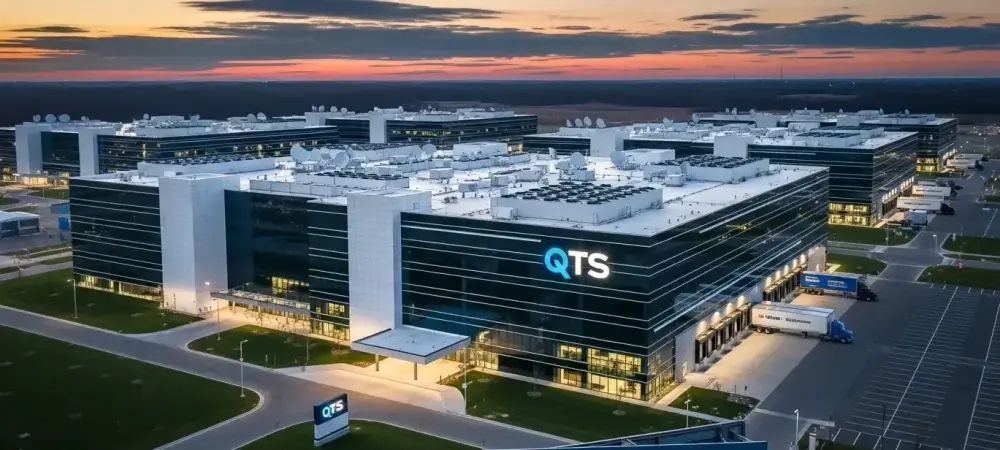
Digital Infrastructure: The Transformation of Rural Ohio
The transition of traditional agricultural heartlands into sophisticated technological corridors represents a significant shift in the American industrial strategy. QTS Data Centers, a subsidiary of the global investment firm Blackstone, has unveiled plans for a $10 billion campus in Van Wert, Ohio. This project is a massive private investment that signals a new era of high-tech industrialization for a community historically dependent on farming. By utilizing a 902-acre portion of a long-standing mega site, QTS aims to build a facility that satisfies the surging global demand for cloud computing. This analysis explores how the project balances financial projections with community-centric initiatives and critical environmental considerations.
The Evolution: History of the Van Wert Mega Site
The chosen site, a 1,500-acre tract owned by the Marsh Foundation, has been the focal point of economic development discussions for nearly two decades. Local officials long marketed this land as a mega site capable of supporting large-scale industrial operations, yet previous interest from various firms never reached fruition. The current pivot toward data centers reflects a broader industry shift where developers seek large, contiguous parcels with accessible power infrastructure. Understanding this background is vital, as it explains why Van Wert leadership views the project as the fulfillment of a twenty-year strategic vision to stabilize the tax base and modernize the regional economy.
Impact Analysis: Economic and Technical Considerations
Economic Growth: Local Workforce Development Initiatives
Financial implications for Van Wert County are substantial, with the project projected to generate approximately $200 million in tax revenue over twenty years. Beyond capital investment, the campus should create 1,500 union-based construction jobs and 200 permanent staff positions. To ensure these roles are filled by local residents, QTS pledged an initial $100,000 to the Vantage Career Center. This investment facilitates technical training, bridging the gap between existing skills and high-tech requirements. Such initiatives demonstrate a proactive approach to community integration, ensuring that the local population shares in the prosperity.
Infrastructure Modernization: Community Energy Integration
A primary concern for residents is the potential strain on utilities caused by high-density computing. QTS addressed this by committing to fund 100 percent of the energy infrastructure improvements required for the site. Through a strategic partnership with American Electric Power, the developer intends to modernize the local grid, adding capacity that might otherwise be cost-prohibitive for the municipality. These upgrades are structured so that costs are not passed on to existing residents. This approach not only secures the power necessary for operations but enhances service reliability for the community, turning an industrial need into a public benefit.
The Sustainability Paradox: Water and Resource Management
Sustainability remains a focal point, particularly concerning the preservation of local water supplies. The developer plans to implement a closed-loop cooling system designed to consume zero water during standard operations. While this is a benefit for a community prioritizing its aquifers, industry research suggests a nuanced trade-off. Zero-water systems often require higher levels of electricity to maintain cooling efficiency, which can indirectly increase water consumption at distant power generation facilities. Addressing these complexities is essential for maintaining transparency and setting realistic expectations for the total environmental footprint of the campus.
Future Trends: Shaping Regional Data Center Policy
The QTS project is a bellwether for the future of hyperscale campuses in the United States. As artificial intelligence demands more processing power, the industry is moving toward massive investments that require substantial acreage and dedicated power agreements. Expect to see more regulatory focus on how these facilities interact with local grids and a greater emphasis on behind-the-meter energy solutions. Predictions suggest that the success of the Van Wert model—combining economic incentives with community betterment funds—will serve as a blueprint for other tech firms looking to expand into the rural Midwest.
Strategic Insights: Recommendations for Local Stakeholders
For businesses and local leaders, the primary takeaway is the importance of long-term planning and community engagement. To replicate this success, municipalities should focus on shovel-ready sites and proactive partnerships with utility providers. Professionals in the region should engage early with technical training programs to capitalize on the shift toward digital roles. Transparency remains the most effective tool for mitigating public concern; the scheduled engagement events and dedicated inquiry websites are best practices that other developers should adopt to foster local trust and ensure project longevity over the coming years.
Final Perspectives: Actionable Path for Regional Development
The transition toward a digital economy required a disciplined focus on sustainable growth and community alignment. Leaders prioritized the modernization of infrastructure and the education of the local workforce to ensure long-term stability. By addressing resource concerns early, the region established a standard for how rural areas integrated massive technological investments without compromising local assets. Stakeholders utilized transparent communication to build public trust, which proved essential for the project’s successful implementation. Ultimately, the partnership offered a strategic model for navigating the complexities of large-scale industrial shifts.