

Navigating the High-Stakes Expansion of Hyperscale Infrastructure
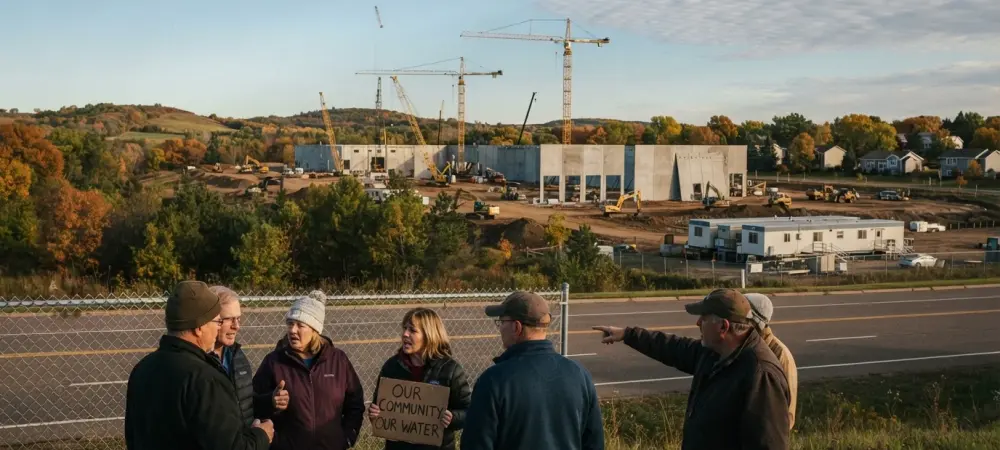
The rapid transformation of Hermantown from a quiet residential hub into a battleground for hyperscale cloud expansion highlights the intense friction currently defining the modern industrial landscape. Google’s plan to erect a massive data center has sparked a volatile mix of unrest and political maneuvering. While these facilities anchor the 2026 digital economy, this project illustrates the difficulty tech giants face when integrating industrial footprints into small communities. This article explores the layers of this conflict, from immediate disruptions to the long-term implications for corporate-community relations.
Economic Aspirations and the Promise of a Fiscal Dividend
Initially, the project was presented as a beacon of economic revitalization for northern Minnesota. Proponents promised $3 million in annual property taxes to lower the resident tax burden and fund local infrastructure. Groups like “Jobs for Minnesotans” viewed this as a vital opportunity to diversify the tax base and provide high-paying industrial jobs. However, the narrative of prosperity was soon overshadowed by skepticism regarding the environmental impact and the perceived secrecy of the early negotiations between city officials and the technology giant.
The Anatomy of Local Resistance and Political Friction
Public Volatility: When Zoning Meetings Become Unlawful Assemblies
The opposition has moved beyond standard complaints to active civil disobedience, spearheaded by the “Stop the Hermantown Data Center” group. A City Council hearing was recently forced into adjournment when protests escalated into an unlawful assembly. Police intervention showcased how a zoning debate can become a public safety crisis in an instant. Local political candidates have leveraged this anger, demanding a level of transparency they claim has been missing since the project’s inception.
Strategic Concessions: Moving From Subsidies to Sustainability
In response, Google pivoted toward a strategy of compromise to address specific community grievances. By withdrawing a request for $80 million in tax subsidies, the company attempted to soften its image as a global giant taking local funds. They also agreed to noise reduction and well-water monitoring. A proposed agreement requires Google to fund the eventual decommissioning of the site, ensuring the community is not left with a derelict shell if the technology becomes obsolete.
Judicial Interventions and the Maze of Environmental Permits
Legal hurdles further complicate the development path beyond the public protests. Lawsuits from landowners claiming they were misled into selling property for a solar farm have stalled progress. Furthermore, the project still requires federal air permits and state clearances. These technical and judicial challenges represent a secondary front where compliance may ultimately override corporate or political will, creating a steep path forward regardless of Council votes.
Industry Shifts: The New Era of Community-Centric Hyperscale
Hermantown signals a shift where community resistance utilizes sophisticated legal and environmental arguments rather than mere aesthetic complaints. Moving forward, the industry is likely to see more rigorous impact studies and a shift toward pre-zoned industrial parks to avoid conflict. As resources become more contested, the regulatory environment for hyperscale facilities is expected to tighten from 2026 to 2030, favoring regions that offer sustainable infrastructure and extreme transparency.
Actionable Frameworks for Navigating Corporate-Local Friction
To navigate such expansions successfully, companies must prioritize early engagement and authentic transparency. Key strategies include disclosing project scales early to prevent claims of deception and establishing dedicated decommissioning funds. For residents, the takeaway is the power of collective bargaining to extract meaningful concessions. These actions protect local character while allowing for the technological growth required by the modern economy, ensuring a balance between global progress and local peace.
Final Assessment: How the Minnesota Conflict Redefined Expansion
The struggle in Hermantown proved that economic incentives were no longer enough to guarantee project approval in a skeptical market. The conflict established a precedent where local voices demanded a seat at the table during the early design phases. Ultimately, the resolution of this dispute served as a blueprint for long-term social licensing, demonstrating that the future of hyperscale infrastructure required deep community integration rather than simple financial transactions. The tech sector learned that expansion depended on the social permission of the communities it inhabited.