

Introduction
The rapid evolution of high-density artificial intelligence infrastructure has begun to push developers beyond the traditional boundaries of municipal zoning and into the expansive territory of federal land management. This shift is particularly visible in the Western United States, where the Bureau of Land Management oversees vast acreage that often neighbors growing suburban centers. By examining the recent pivot of the Townsite Solar 2 project near Boulder City, Nevada, this article explores how federal land-use flexibility can override local planning decisions.
The objective is to analyze the administrative mechanisms that allow large-scale digital infrastructure to bypass traditional local approvals. Readers can expect to learn about the jurisdictional complexities that arise when renewable energy assets and data centers converge on federal property. This exploration highlights the growing friction between national technology mandates and the desire for local autonomy in rural and suburban regions as the demand for digital processing power reaches an all-time high.
Key Questions or Key Topics Section
Why Did Townsite Solar 2 Shift Its Data Center Strategy to Federal Property?
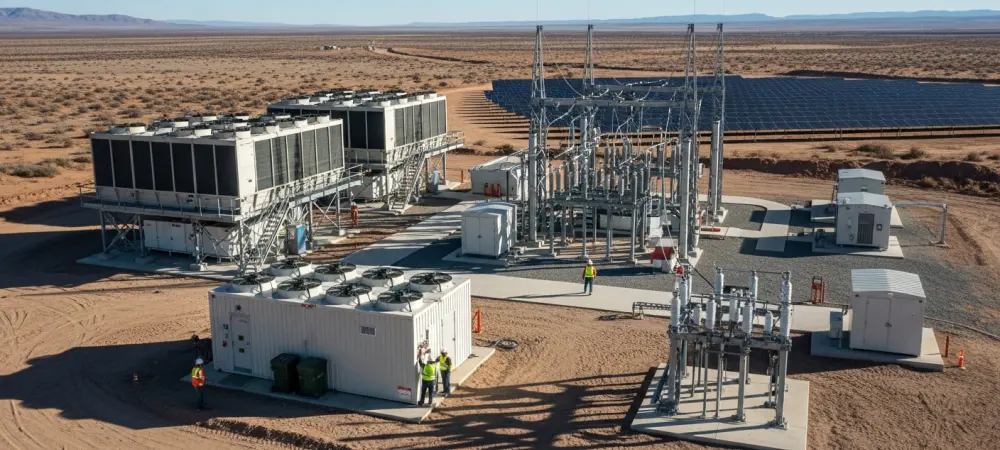
The initial plan for the 170-megawatt high-density AI data center campus targeted 88.5 acres of city-owned land in Boulder City. However, the proposal encountered immediate resistance from the municipal Planning Commission, which recommended against adding data centers as an approved land use. This local blockade threatened the viability of a project designed to integrate closely with existing renewable energy infrastructure, leading to a significant legislative setback for the developers. In response, the developer withdrew the city application and moved operations to an adjacent 80-acre site managed by the Bureau of Land Management. Because the site already held federal right-of-way grants for solar and battery storage, the bureau amended the existing permit to include data center operations. This administrative move effectively bypassed the municipal zoning board, allowing the project to proceed toward a potential 2027 launch despite the lack of local municipal approval.
What Impact Does Federal Land Authority Have on Local Community Consensus?
Large-scale industrial expansion often triggers significant public pushback, especially in areas that value a rural or small-town aesthetic. In Nevada, a petition against the Townsite Solar 2 development garnered over 6,600 signatures, reflecting deep-seated concerns about the scale of the facility and its resource consumption. When local officials lack the power to stop a project on federal land, it creates a perceived deficit in democratic accountability that can strain the relationship between residents and the government. Moreover, this situation underscores a trend where federal energy priorities—such as the colocation of data centers with green energy assets—often supersede local planning preferences. While city managers may attempt formal appeals against federal decisions, the legal hierarchy generally favors the authority of the Bureau of Land Management over its own holdings. This dynamic forces a reconsideration of how communities negotiate with developers who have the option to step across a property line into federal jurisdiction to avoid local restrictions.
Summary or Recap
The interaction between federal agencies and municipal governments remains a central theme in modern infrastructure development. Townsite Solar 2 serves as a primary example of how developers utilize existing federal right-of-way grants to secure project sites when local zoning becomes an obstacle. As AI demand increases, the synergy between solar assets and data centers becomes a powerful motivator for federal land use. These projects often prioritize regional power needs over the specific zoning visions of local city commissions.
Conclusion or Final Thoughts
The shift toward federal land for industrial projects revealed a significant gap in the reach of local zoning laws. Stakeholders observed that the traditional power of a city council to shape its landscape was secondary to the management goals of federal bureaus. This precedent encouraged a more strategic approach to local land acquisition for those seeking to protect municipal borders from unintended expansion. Moving forward, policymakers must decide how to balance national technological advancements with the rights of residents to determine their community’s character.