

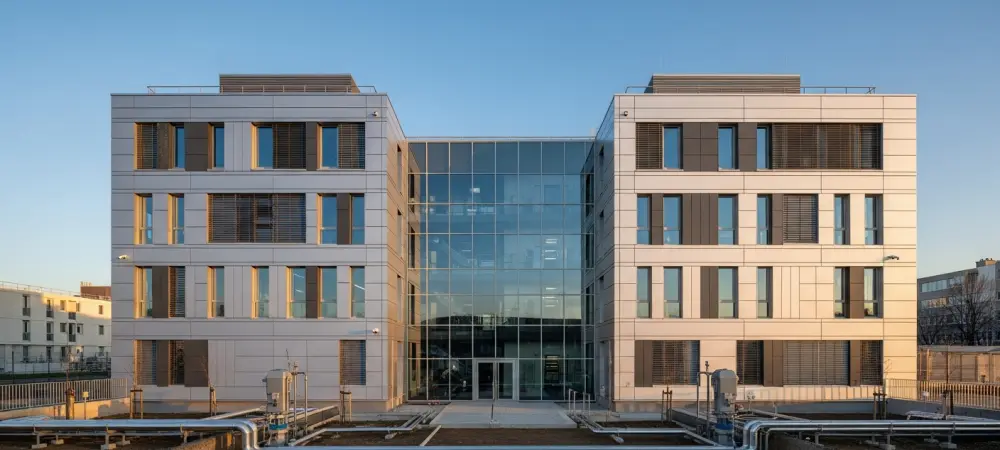
The rapid expansion of artificial intelligence and high-performance computing has pushed the digital infrastructure of Paris to a critical breaking point where demand for processing power far exceeds the available space in traditional technology hubs. As the city attempts to maintain its status as a premier European data gateway, developers are encountering unprecedented obstacles ranging from restricted power grids to stringent environmental regulations. This supply-demand imbalance has created a vacuum in the market, forcing a shift in how operators approach site selection and construction. Instead of looking for greenfield sites that no longer exist within the urban ring, the industry is turning toward collaborative partnerships that leverage existing industrial footprints. The entry of Segro and Pure Control Data Centers into this landscape represents more than just a capital investment; it is a strategic attempt to reinvent the logistics of data storage in a highly regulated region.
Industrial Modernization Strategies
The Brownfield Model
The primary challenge for data center development in the Paris region is the absolute scarcity of suitable land with existing access to the electrical grid. Segro has addressed this bottleneck by identifying underutilized brownfield sites that were previously designated for traditional logistics or heavy manufacturing. By repurposing these existing industrial plots, the partnership avoids the lengthy and often contentious process of rezoning agricultural or greenfield land. These sites are strategically located near major fiber optic routes and high-voltage power lines, providing the necessary backbone for high-capacity data processing. This approach not only speeds up the development timeline but also aligns with urban densification goals, allowing technology infrastructure to exist within the same perimeter as the businesses it serves. The integration of data centers into established industrial zones minimizes the impact on residential areas while maximizing the utility of existing urban resources.
Technical Design
Pure Control Data Centers brings specialized technical expertise to the partnership, focusing on the delivery of modular and highly scalable environments. Their design philosophy centers on maximizing rack density and power efficiency, which is essential for supporting the power-hungry workloads associated with modern machine learning and large-scale cloud applications. By utilizing pre-fabricated components and standardized mechanical systems, the company can deploy capacity much faster than traditional builds. This agility is vital in a market like Paris, where enterprise tenants often require rapid expansion to keep pace with their own digital transformation goals. The collaboration ensures that while Segro manages the physical site and shell, Pure DC optimizes the interior white space for peak performance. This division of labor allows for a more streamlined construction process, reducing the risk of technical bottlenecks that often plague large-scale infrastructure projects in the Tier 1 markets.
Sustainability and Regulatory Compliance
Heat Recovery Systems
Environmental sustainability has moved from being a corporate preference to a strict regulatory requirement in the French capital. The partnership between Segro and Pure DC emphasizes the implementation of advanced heat recovery systems that capture the thermal energy generated by servers. This excess heat is not merely dissipated into the atmosphere; instead, it is channeled into local district heating networks to provide warmth for nearby residences and public buildings. This circular energy model is particularly attractive to local municipalities in the Val d’Oise region, where new developments are often scrutinized for their energy consumption. By transforming a data center into a local utility provider, the project gains greater social acceptance and meets the rigorous standards set by the European Union’s Energy Efficiency Directive. Furthermore, the use of liquid cooling technologies allows for higher operating temperatures, significantly reducing the amount of water and electricity required for cooling servers.
Market Evolution
The collaboration between these two industry leaders established a new blueprint for tackling the persistent infrastructure deficit in major European markets. By successfully navigating the complexities of the Paris region, the project demonstrated that brownfield redevelopment was a viable alternative to greenfield expansion. Stakeholders within the technology sector recognized that future growth depended on the ability to integrate digital assets into existing urban fabrics without compromising environmental goals. The initiative provided a clear path forward for other metropolitan areas facing similar constraints, proving that strategic partnerships could mitigate the risks of land scarcity and power limitations. Moving forward, the industry prioritized site selection based on heat reuse potential and grid proximity rather than simple geographic footprint. This shift in strategy ensured that the digital economy continued to expand while contributing positively to the local infrastructure and the community at large.