

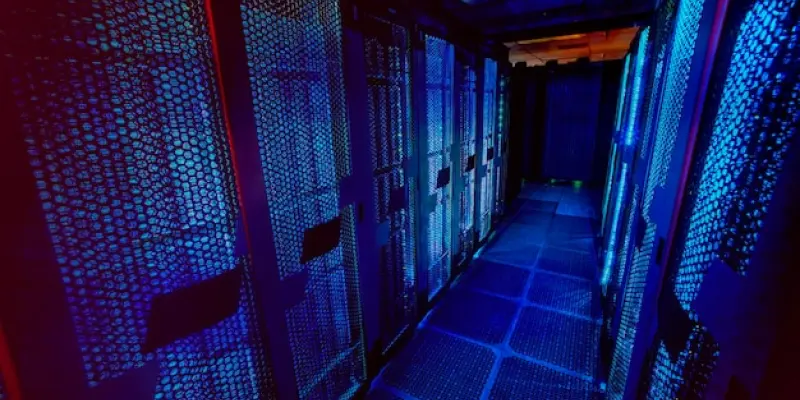
Schneider Electric recently announced its participation in the Electric Power Research Institute’s (EPRI) DCFlex initiative, marking its involvement on March 25, 2025. This initiative aims to enhance the energy efficiency and reliability of the grid, a pressing need fueled by the burgeoning demand from data centers. Heavyweights like Google, Meta, and NVIDIA have already joined the endeavor, making it a collaborative effort among industry giants to achieve sustainable energy solutions for digital infrastructure.
Schneider Electric’s Commitment to Sustainable Energy Solutions
Ruben Llanes, CEO of Digital Grid at Schneider Electric, highlighted that we are at a pivotal moment in history due to significant advancements in AI and the global shift towards electrification. These advancements have positioned data centers as central hubs for technological progress. However, the increased energy demands exert substantial pressure on the grid. In response, Schneider Electric is channeling its wealth of expertise in data centers and grid modernization to meet these demands effectively. Their commitment extends to achieving the ambitious goals set by the DCFlex initiative, which focuses on demonstrating how data centers can support and stabilize the grid through improved asset utilization and energy support.
A primary objective of the DCFlex initiative is to reveal the potential of data centers in contributing to grid stability. By making data centers more energy-efficient and better integrated with the electrical grid, the initiative aims to elevate the energy resilience of digital infrastructure. This comes in light of the ever-increasing operational requirements that data centers face due to burgeoning technologies. Consequently, Schneider Electric’s participation underscores its commitment to fostering environments where both human progress and sustainability can thrive hand in hand.
EPRI’s DCFlex Initiative Explained
The DCFlex initiative by EPRI is a comprehensive research endeavor set to span three years from 2025 to 2028. The project aims to deploy five to ten large-scale flexibility hubs. These hubs will serve as “living laboratories” designed to showcase varied strategies for better integrating data centers with the electric grid. Each hub will illustrate how data centers can offer grid support and stabilization while simultaneously enhancing their operational efficiency and interconnectivity under diverse conditions.
The goal of these hubs is multifaceted. They are expected to display methodologies for optimizing asset utilization, reducing carbon footprints, and bolstering energy support within data centers. These demonstrations will provide a pragmatic model for other enterprises to follow, reflecting real-world implementation and scalability. As these large-scale hubs will serve multiple purposes, they aim to act as a catalyst for widespread adoption of these innovative energy solutions in data centers globally. By doing so, EPRI’s DCFlex initiative addresses one of the most significant challenges of our times—balancing the growing energy needs with a sustainable approach.
Collaborative Efforts and Key Players
EPRI’s DCFlex initiative boasts an impressive roster of over 40 member organizations, including prominent utilities such as Constellation Energy, Duke Energy, and others. These utilities are pivotal players, working in conjunction with data centers and technology companies to bolster grid reliability and efficiency. Their collaborative efforts aim to showcase innovative strategies that integrate data centers with the grid effectively. Supporting operational flexibility and enhancing grid integration are at the forefront of these endeavors.
Arshad Mansoor, President and CEO of EPRI, emphasized the indispensable role that data centers play in the interconnected global information environment and economy. However, alongside this critical role comes the significant challenge of increased strain on the grid caused by these centers. Mansoor noted that as manufacturing and electrification trends continue to rise, the energy demand from data centers is set to grow, necessitating flexible and innovative designs that manage AI advancements while reducing costs, carbon emissions, and improving system reliability.
The One Digital Grid Platform
Schneider Electric’s commitment to innovation in grid management has led to the introduction of the One Digital Grid Platform. This AI-powered, holistic system is designed to fortify grid resiliency, reliability, flexibility, and efficiency. It allows utilities to accelerate their modernization initiatives within a secure and scalable ecosystem. The platform aims to reduce the frequency and duration of outages while enabling the seamless integration of Distributed Energy Resources (DERs) to meet escalating energy demands.
The One Digital Grid Platform embodies a comprehensive approach to grid management that balances the need for advanced technology with sustainability. By leveraging AI, Schneider Electric positions itself at the forefront of the industry’s move towards automated and highly efficient grid systems. This advancement not only addresses the present needs of grid modernization but also prepares the industry for future challenges, ensuring a robust and resilient energy infrastructure.
Collaborative Innovation in Data Centers
Steve Carlini, Chief Advocate, AI and Data Centers Vice President at Schneider Electric, reiterated the company’s mission to assist partners in designing, building, and operating data centers and power systems optimized for energy efficiency. The DCFlex initiative is seen as an exciting exploration into how data centers can support electrical grids and enhance energy utilization through better asset management and interconnection. This collaborative effort, involving tech giants like Google, Meta, and NVIDIA, marks a significant milestone in the sector’s advancement towards sustainable and efficient energy use.
The collective participation in the DCFlex initiative underscores the industry-wide recognition of the importance of integrating data centers into the broader energy ecosystem. This collaboration not only aims to improve the operational efficiencies of individual data centers but also sets a precedent for the entire industry. It’s a concerted effort to create a more resilient, sustainable, and efficient grid, capable of meeting future energy demands.
Schneider Electric’s Purpose-Driven Approach
Schneider Electric recently revealed its engagement in the Electric Power Research Institute’s (EPRI) DCFlex initiative, officially joining on March 25, 2025. This initiative seeks to improve the energy efficiency and reliability of the electricity grid, addressing a crucial need driven by the rapid growth of data centers. The project is of significant importance as it aims to create more sustainable energy practices to support burgeoning digital infrastructure. Major industry players such as Google, Meta, and NVIDIA have already committed to the initiative, making this a concerted effort among tech giants. Their collective participation highlights the significance of developing and implementing innovative energy solutions to meet the increasing demand for data center operations. The collaboration represents a pivotal step in the journey toward resilient and sustainable energy systems, showcasing the power of industry cooperation in tackling modern energy challenges.