

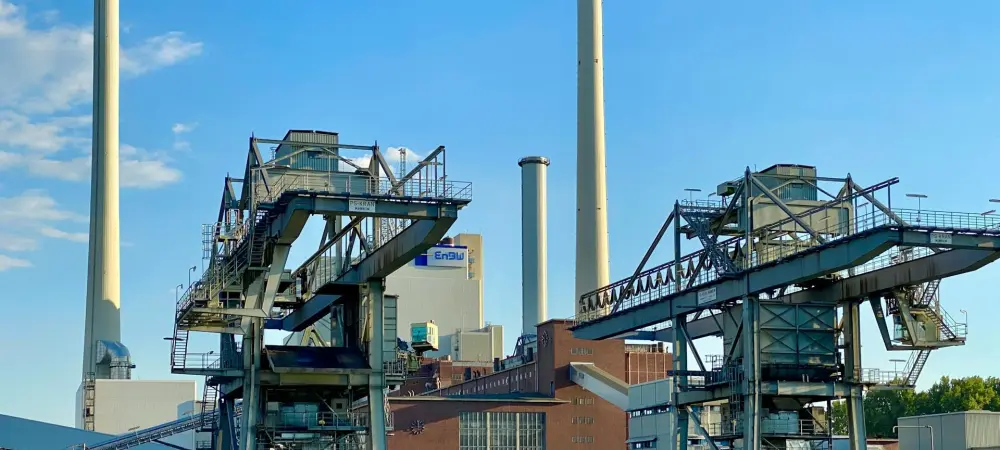
In the quest to power data centers sustainably, an intriguing concept has emerged: retrofitting coal plants for renewable energy storage. As data centers grapple with skyrocketing energy demands and the imperative to pivot toward green solutions, this innovative idea is gaining traction. The concept revolves around transforming retired coal power facilities into thermal energy storage sites, enabling them to harness renewable resources like solar and wind energy. Broadly, this strategy aims to reimagine outdated coal infrastructure, potentially breathing new life into structures no longer suitable for traditional energy generation. The initiative not only aligns with global efforts toward sustainability but also offers economic opportunities in regions previously reliant on coal mining and power generation.
Transforming Coal Legacy Into Renewable Infrastructure
The central pillar of this transformation involves converting aging coal plants into thermal energy storage facilities. This method employs molten salt systems to store excess energy produced by renewable sources, such as wind or solar power. The stored energy can then be converted back into electricity, ensuring a steady supply for data centers, even when renewable sources are not actively generating power. This repurposing leverages existing plant infrastructure and grid connections, making it a cost-effective solution compared to building entirely new setups. Notably, the conversion aligns with the broader decline of the coal industry, spurred by stringent environmental regulations and the rise of natural gas and renewable energy sources.
Efforts to retrofit these coal plants reflect a larger trend of creatively retooling obsolete industrial sites to meet contemporary needs. With coal’s viability waning, transforming these plants into renewable energy storage facilities could extend their life, providing a sustainable power source while minimizing carbon emissions. Such adaptations resonate with global trends, as nations grapple with transitioning to greener energy systems. At the forefront of these efforts is the Massachusetts-based startup Malta, Inc., whose Steam Energy Management and Storage (SEMS) system exemplifies the potential of reimagining industrial landscapes. By offering extended-duration storage capabilities through molten salt, they provide an alternative to conventional lithium-ion battery systems, which are often inadequate for the round-the-clock energy needs of data centers.
Balancing Sustainability With Economic Viability
The feasibility of repurposing coal plants into storage units faces both enthusiasm and skepticism. Advocates argue that modifying existing infrastructure offers an economical pathway to sustainable energy, circumventing the costs and labor associated with erecting new facilities. Yifu Ding’s research at the Massachusetts Institute of Technology highlights how existing steam turbines and related technology can be preserved and reused, underscoring an appealing economic argument. Yet, opponents like Bryce Custer raise questions about whether investing in such adaptations is the most financially prudent route, given the current cost-effectiveness of natural gas power generation. Evaluating this approach requires considering varying perspectives, balancing innovation and economics. While Malta, Inc.’s technology extends the potential application to broader settings, like district heating, determining the economic sensibility of retrofitting coal plants remains an open question. Proponents of traditional power generation methods argue that natural gas might provide a more reliable and readily available option for power. Nonetheless, the flexibility of thermal energy storage offers an attractive solution for ensuring renewable energy’s consistent transfer to vital infrastructure, like data centers, potentially pushing the industry toward more sustainable horizons.
Innovation Amidst Diverging Opinions
While the concept of transforming coal plants has sparked differing opinions, there remains noticeable optimism in the industry. Proponents argue that the quick repurposing of existing sites could significantly hasten the transition to renewable energy, providing power to data centers without the delays linked to building entirely new infrastructures. Industry voices, such as Rahul Mewawalla from Mawson Infrastructure Group, encourage imaginative solutions that utilize existing resources, thus speeding up the shift to sustainable power.
Despite dissenting views, Malta, Inc.’s progress in expanding its SEMS technology aligns with broader aspirations to showcase the commercial feasibility of such conversions. Their pilot project in Spain, planned to become operational by 2027, underscores the company’s commitment to demonstrating the practicality of its methods on a larger scale. This pilot will likely provide valuable insights into the operational dynamics and economic viability of transforming coal plants into significant sources of renewable energy storage. Amid these shifts, stakeholder engagement and policy directions will play a crucial role in determining the extent and success of these projects.
Navigating Political and Market Realities
The key feature of this transformation involves converting old coal plants into thermal energy storage centers. This approach uses molten salt systems to store surplus energy from renewable sources like wind and solar power. This stored energy can be transformed back into electricity, providing a constant energy supply for data centers even when renewable sources are not actively producing power. By utilizing existing infrastructure and grid connections, this method emerges as a more economical option compared to creating entirely new setups. This conversion fits well with the coal industry’s decline, driven by strict environmental rules and the growth of natural gas and renewable energy.
The effort to retrofit coal plants underscores a broader trend of creatively repurposing outdated industrial sites to cater to modern-day requirements. As coal becomes less viable, converting these plants into renewable energy storage facilities can prolong their usefulness, delivering a sustainable power source and cutting down on carbon emissions. Such adaptations align with global efforts as countries transition to greener energy systems. Leading these initiatives is Massachusetts-based startup Malta, Inc., whose Steam Energy Management and Storage (SEMS) system demonstrates the potential to reimagine industrial landscapes. Offering long-duration storage using molten salt, it presents a viable alternative to traditional lithium-ion batteries, often insufficient for the 24/7 energy demands of data centers.