

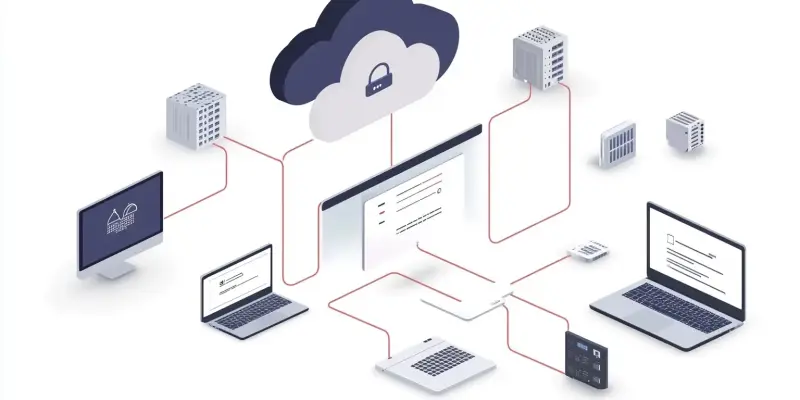
As the digital landscape rapidly evolves, organizations around the globe are increasingly adopting cloud solutions to enhance their operational efficiency and agility. The shift towards cloud computing, however, does not come without its challenges. A significant concern for many enterprises is the ability to secure their data and applications amidst the complexities of hybrid and multicloud environments. According to Fortinet’s 2025 State of Cloud Security Report, the predominant barriers to cloud adoption are closely linked to security and compliance issues, adding layers of difficulty for cybersecurity professionals tasked with safeguarding these versatile environments.
The Complexity of Hybrid and Multicloud Environments
Security and Compliance Challenges
With over 78% of organizations deploying two or more cloud providers and 54% adopting hybrid cloud models, the challenge of maintaining robust security protocols is exacerbated. The report indicates that more than 60% of respondents face significant security and compliance challenges, which hamper their cloud adoption efforts. These challenges stem not only from the diverse nature of cloud architectures but also from the varying security standards and regulations that each provider adheres to. Ensuring consistent security policies across multiple platforms becomes an arduous task that requires sophisticated orchestration.
Moreover, the lack of comprehensive visibility in hybrid and multicloud setups compounds the problem. Cybersecurity teams are often left dealing with fragmented views of their security posture, making it difficult to identify and mitigate threats effectively. This visibility gap is particularly dangerous as it leaves organizations vulnerable to sophisticated attacks that can capitalize on these blind spots. Addressing these issues requires a holistic approach to cloud security, which integrates visibility and control across all cloud environments.
Talent Shortage in Cloud Security
Another significant trend highlighted in Fortinet’s report is the acute shortage of cloud security talent. A staggering 76% of respondents cited a lack of skilled professionals as a pressing issue, while 95% expressed moderate to extreme concern over this gap. This shortage poses a formidable challenge, limiting the ability of enterprises to effectively monitor and protect their cloud assets. The scarcity of talent not only impacts real-time threat detection and response but also hinders the implementation of advanced security measures that can prevent breaches.
The talent gap in cloud security necessitates alternative strategies to bolster defense mechanisms. Automation of security processes emerges as a pivotal solution, enabling existing staff to manage more with less. Training existing personnel to enhance their cloud security capabilities is equally crucial. For channel partners, this shortfall presents an opportunity to step in and offer their expertise. By bridging the gap, they can help organizations build resilient cloud security frameworks that can withstand the evolving threat landscape.
The Need for Unified Security Platforms
Integrating Multiple Cloud Security Capabilities
Despite the widespread adoption of cloud-native protection solutions, a surprising number of organizations remain unprepared to handle cloud threats in real-time. Vincent Hwang, Fortinet’s VP of cloud security, emphasizes that as enterprises advance towards hybrid and multicloud environments, the complexity and associated risks escalate. Standalone solutions, such as Cloud Security Posture Management (CSPM), are often insufficient in addressing this complexity comprehensively.
To future-proof their security strategies, organizations need to adopt platform-oriented solutions like Cloud-Native Application Protection Platforms (CNAPP). These platforms integrate multiple cloud security capabilities into a single, cohesive solution, providing a centralized dashboard that offers a unified view of the cloud environment. This centralized approach not only streamlines security management but also enhances real-time threat detection and response capabilities.
Implementing such integrated security platforms is essential for secure application modernization. As more organizations migrate their workloads to the cloud, having a unified security framework ensures that all elements of the infrastructure are protected consistently. This approach mitigates the risk of security gaps that can arise from using disparate tools and provides a robust defense against increasingly sophisticated cyber threats.
Addressing Visibility Gaps
Visibility gaps in hybrid and multicloud environments are a critical concern, as highlighted by the report. These gaps are often aggravated by inadequate cybersecurity skills among existing staff. To combat this, organizations need to focus on solutions that offer comprehensive visibility across their entire cloud and application ecosystem. This entails leveraging advanced security platforms that can monitor and assess security posture in real-time.
Enhanced visibility is the first step towards building a robust cloud security posture. With a clear view of all cloud assets, security teams can detect anomalies and potential threats more efficiently. This proactive stance allows for quicker incident response and minimizes the impact of any security breach. Crucially, achieving full visibility requires not only the right tools but also a skilled workforce that understands how to utilize these tools effectively.
Future-Proofing Cloud Security
Embracing Automation and Training
The shortage of cloud security talent presents a unique opportunity to leverage automation technologies. Automating routine security tasks can free up existing staff to focus on more complex issues, enhancing overall efficiency. Additionally, investing in training programs to upskill current employees can mitigate the talent gap. By equipping the workforce with advanced cloud security knowledge, organizations can better defend themselves against evolving threats.
Automation can also address the pressing need for real-time threat detection. Automated systems can continuously monitor cloud environments, identifying and neutralizing threats before they can cause significant damage. This approach not only improves security but also reduces the burden on cybersecurity professionals, allowing them to concentrate on strategic initiatives.
Evolving the Security Strategy
As the digital landscape evolves at a rapid pace, organizations worldwide are increasingly adopting cloud solutions to boost their operational efficiency and flexibility. However, the transition to cloud computing doesn’t come without its challenges. A major issue for many enterprises is ensuring the security of their data and applications within the complex frameworks of hybrid and multicloud environments. As highlighted in Fortinet’s 2025 State of Cloud Security Report, the primary barriers to cloud adoption are deeply tied to security and compliance concerns. These issues add more complexity for cybersecurity professionals who are responsible for protecting these dynamic and multifaceted environments. Organizations must navigate these challenges to fully benefit from cloud technologies, making robust security strategies essential for successful cloud adoption. Addressing these security concerns involves ongoing vigilance, advanced threat detection, and comprehensive compliance measures to safeguard sensitive information against ever-evolving threats.