

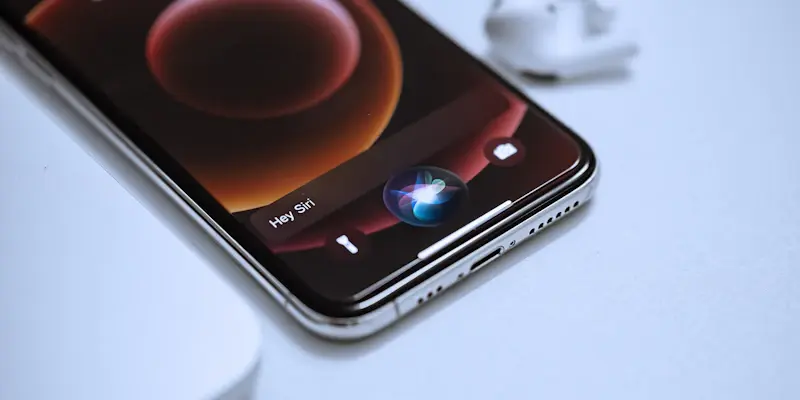
In June 2024, Apple’s Worldwide Developers Conference showcased a range of AI enhancements for Siri, igniting excitement among technology enthusiasts and consumers alike. However, much to the dismay of its loyal customer base, Apple announced that the rollout of these innovative features would be delayed. Now expected to be gradually introduced over the next year, with some projections extending into 2026, Apple faces significant challenges in delivering on its ambitious AI goals. This situation not only places Apple in a precarious position compared to its competitors but also underscores the intricate complexities of integrating advanced AI functionalities at scale.
Competitive Pressures and Technological Delays
Apple’s struggle to stay on par with competitors like Google and Amazon has become increasingly apparent. Google, for instance, has successfully integrated its Gemini AI into various Android devices, enhancing cross-app functionality and overall user interactions. Meanwhile, Amazon continues to improve its Alexa assistant with more sophisticated conversational abilities. These strides by its tech rivals have likely pushed Apple to reconsider and refine its AI approach in order to maintain a competitive edge and ensure a smooth user experience. Consequently, the delay in rolling out new Siri features can be seen as an attempt to meet these high industry standards and adequately address the nuanced challenges that accompany large-scale AI implementation.
Implementing advanced AI features within Siri brings forth several significant challenges for Apple. One major obstacle lies in maintaining the company’s steadfast commitments to user privacy and data security. The newly anticipated Siri functionalities require deep integration with Apple’s existing ecosystem, further complicating the task at hand. This necessity for complex system compatibility has caused delays, as Apple seeks to navigate the balance between efficiently processing user requests and upholding its unwavering stance on data privacy. These difficulties, coupled with the high expectations set during the initial presentation, have placed Apple in a difficult spot as it strives to enhance Siri without compromising on its core values.
Reliability and Multilingual Support Challenges
Apple has also encountered notable obstacles with its AI-powered notification summary feature, which was recently pulled due to inaccuracies. This incident highlights a broader issue inherent in AI-generated content: ensuring reliability and accuracy. For a tech giant like Apple, the reliability of AI-driven features is paramount to user satisfaction and overall trust in its services. Without consistency and precision, AI enhancements can potentially do more harm than good, leaving users frustrated and skeptical of the technology. This particular challenge underscores the necessity for Apple to thoroughly test and validate its AI solutions before widespread deployment, to ensure they meet the rigorous standards expected by its consumer base.
Furthermore, Apple’s efforts to expand its AI capabilities to support multiple languages have introduced additional layers of complexity to the development timeline. Multilingual support is a critical aspect for a global tech leader like Apple, with a diverse and widespread user base. This endeavor requires not only sophisticated linguistic models but also a seamless integration with Siri’s voice recognition and natural language processing capabilities. Each new language added complicates the already intricate process of developing and refining AI features, further contributing to the delays Apple faces. As the company strives to overcome these hurdles, the pressure mounts to deliver on its promises without compromising the quality and user experience that Apple is known for.
Privacy-First Strategy Impact
Despite considerable advancements in Apple Intelligence features such as image generation and text summarization, the most eagerly awaited Siri upgrades have yet to come to fruition. Apple’s slower progression in its AI strategy compared to its competitors can largely be attributed to its commitment to privacy-first, on-device processing. This unique approach, while prioritizing user security and a high-quality experience, inherently slows down the rollout of new features. By opting for on-device processing instead of relying on cloud-based solutions, Apple aims to minimize data transmission risks and reinforce its privacy policies. However, this cautious strategy has inadvertently set the company back in the race to lead the AI assistant market, reflecting the ongoing tension between privacy concerns and technological innovation.
Apple’s current position in the AI market is evidently challenged by its slower delivery of AI advancements compared to its rivals. With tech giants continuing to push the boundaries of AI assistant capabilities, Apple is under increasing pressure to develop and release impressive AI solutions swiftly. Consumer feedback on the latest Siri features could potentially sway public perception, especially as AI integration becomes a central competitive factor in the mobile device industry. Should Apple fail to meet consumer expectations and keep pace with its competitors, it risks falling behind in a rapidly evolving landscape. Thus, the company must navigate these challenges with a strategic focus on improving its development processes to maintain and enhance its market position.
Future Considerations for Apple’s AI Journey
Apple is finding it increasingly tough to keep pace with competitors like Google and Amazon. Google has seamlessly integrated its Gemini AI into Android devices, boosting cross-app functionality and user interactions. Meanwhile, Amazon continues to enhance Alexa, improving its conversational capabilities. These advancements by rivals likely urge Apple to revisit and refine its AI strategy to remain competitive and ensure a seamless user experience. As a result, the delay in releasing new Siri features is likely a move to align with high industry standards and tackle the nuanced challenges of large-scale AI implementation.
Advanced AI integration within Siri presents several challenges for Apple. A key issue is maintaining its strong commitment to user privacy and data security. The anticipated new Siri functionalities require deep integration with Apple’s existing ecosystem, complicating the task. This necessity for complex system compatibility has caused delays, as Apple seeks to balance efficiently processing user requests while upholding its data privacy stance. Coupled with high user expectations, Apple faces the challenge of enhancing Siri without compromising its core values.