

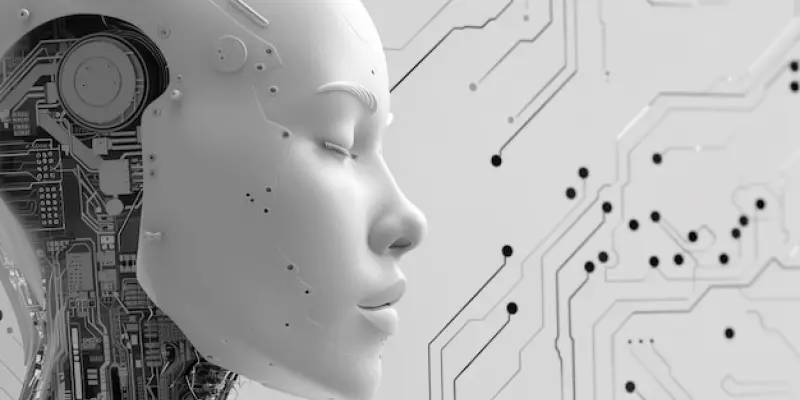
Artificial Intelligence (AI) has rapidly advanced in recent years, offering unprecedented opportunities across various sectors. However, these technological breakthroughs raise significant ethical dilemmas and concerns about their impact on human dignity and moral values. Pope Francis addressed these complex issues at the 2024 G7 summit in Bari and later in Rome. He emphasized that technology should serve humanity rather than dominate it, highlighting the profound choices society faces regarding what it holds sacred. Pope Francis, who died on April 21, believed that maintaining human responsibility and ethical principles in the development and deployment of AI is crucial to preserving human dignity.
Ethical Concerns and Technological Impact
The dual nature of AI, described by Pope Francis as both “exciting and fearsome,” encapsulates the paradox technology presents. On one hand, AI can significantly benefit humanity by aiding the blind, enhancing agricultural productivity, and alleviating suffering among the sick. However, these advantages come with substantial ethical concerns, particularly when machines are entrusted with life-altering decisions. Pope Francis condemned the use of autonomous weapons and technologies that marginalize individuals, arguing that these applications contradict genuine progress and innovation. He underscored the necessity of guiding AI with heart and conscience to ensure it uplifts human values rather than undermining them. Pope Francis introduced the concept of “algor-ethics,” advocating for the incorporation of moral principles in AI programming and development. This approach insists on human responsibility for making ethical decisions and guiding AI systems. The Vatican’s publication “Antiqua et Nova” in January reinforced this stance, stressing the importance of equity alongside efficiency. The document called for a critical examination of AI’s role in fostering human well-being and safeguarding the vulnerable, cautioning against sacrificing dignity for profit. These discussions are pivotal as society navigates the complex terrain of technological advancements, recognizing the inherent responsibilities tied to AI’s further development.
Human Traits Versus Machine Intelligence
Pope Francis also challenged the very notion of labeling AI as “intelligent.” While machines can mimic certain human cognitive functions, they lack genuine understanding and emotional depth. He emphasized the significance of human traits such as curiosity, empathy, moral doubt, and creativity, suggesting that mislabeling machines as intelligent could distort the perception of true human intelligence. This distinction is crucial to maintaining a clear understanding of the unique qualities that define humanity and ensuring that technology does not overshadow these inherent attributes.
The dignity of individuals should never be compromised in the face of technological progress. Pope Francis warned against a ‘throwaway culture’ where human beings are reduced to mere data points, valued only for their economic contributions. This reductionist view risks fostering indifference and eroding the fundamental respect for human life and dignity. By promoting ethical considerations in AI, society can counteract these tendencies and reaffirm the importance of human values in technological developments. It becomes imperative to question and critique AI’s role in society, ensuring that it serves to enhance, rather than diminish, the richness of human experience.
Preserving Human Dignity Amid Technological Progress
Pope Francis’s call for a balanced approach to AI underscores the need for a moral compass in steering technological innovation. His message transcends religious boundaries, addressing anyone involved or impacted by technology. The challenge is to harness AI’s potential while safeguarding the ethical principles that uphold human dignity. This involves constant vigilance and a commitment to integrating ethical guidelines into AI development processes. By doing so, society can ensure that technological progress does not come at the expense of the values that define human existence.
One practical approach to achieving this balance is through inclusive discussions involving technologists, ethicists, policymakers, and representatives from various communities. These dialogues can help create a shared understanding of the ethical implications of AI and develop guidelines that reflect the collective moral values of society. Additionally, ongoing education and ethical training for AI developers can foster a culture of responsibility and awareness in the tech industry. Emphasizing the importance of ethics in technology can lead to innovations that are both groundbreaking and respectful of human dignity.
A Call to Action
Artificial Intelligence (AI) has evolved quickly in recent years, bringing unprecedented opportunities across many sectors. Despite the benefits, these advancements also present significant ethical dilemmas and concerns about their effects on human dignity and moral values. At the 2024 G7 summit in Bari and later in Rome, Pope Francis tackled these complex issues. He stressed that technology should serve humanity rather than dominate it, underscoring the vital choices society must make regarding what it deems sacred. Pope Francis, who passed away on April 21, believed strongly that it is essential to uphold human responsibility and ethical principles in the creation and use of AI. This is crucial for preserving human dignity. His messages reflect a necessary balance: leveraging technological advancements while ensuring they align with moral and ethical foundations. This balance is key to guaranteeing that AI development does not compromise core human values, and instead, remains a tool that enhances human life responsibly.