

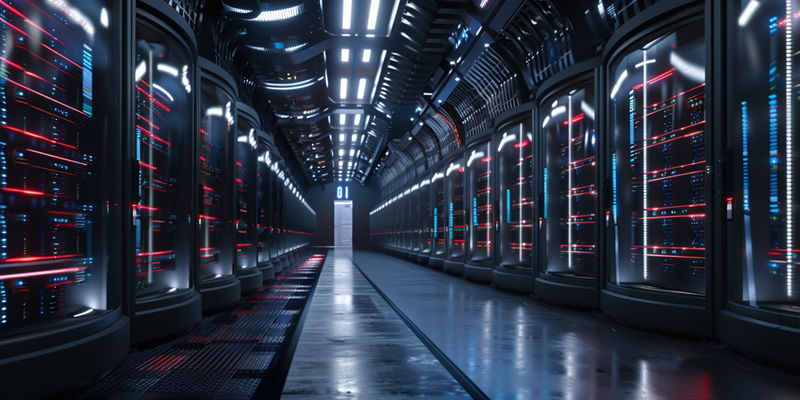
The influence of AI on data center operations is ushering in a major shift in the tech landscape. With estimates showing the AI market surging to $407 billion by 2027 and strong growth continuing into 2030, AI’s role is expanding across industries. This tech titan promises to improve communication, automate content generation, and accelerate the translation of information, showcasing significant benefits. However, these advancements come with increased demands on data center capabilities. Infrastructure must evolve to handle the increased load, with a focus on power, cooling, and management systems to keep up with the sophisticated requirements posed by AI technologies. As AI continues to integrate into diverse fields, its vast potential is matched only by the challenges it presents, compelling data centers to innovate and adapt to support this technological evolution.
The Energy Dilemma of Advanced AI
AI’s expanding footprint in modern compute clusters comes with escalating power consumption, as evidenced by the creation of advanced AI models like GPT-3. These models push the limits of electricity needs, underscoring the significant energy demands of AI technology. Marc Garner, of Schneider Electric, spotlights the urgency for data centers to balance the growing energy requirements of AI with sustainable practices. As AI becomes an integral part of data center operations, stakeholders face the dual challenge of embracing the technology’s potential while mitigating its sizable appetite for power.
In response to AI’s energy demands, there’s a growing imperative for data centers to pursue sustainability. Given the environmental impact associated with massive power consumption, the industry must shift towards more eco-friendly approaches. This shift includes not only the adoption of high-density racks and advanced power systems but also the strategic implementation of energy-efficient hardware and software solutions. Diversified power sources, particularly those harnessing renewable energy, become crucial in reducing the carbon footprint while keeping pace with AI’s relentless power requirements.
Redefining Energy Efficiency in Data Centers
The rise of AI has led to denser server racks that demand robust energy solutions in data centers. These facilities are now pivotal in addressing the surge in power requirements while maintaining operational stability. Advances in power distribution, cooling technology, and intelligent software are critical for enhancing the energy efficiency of data centers. By integrating these innovations, data centers are moving towards more sustainable operations.
Despite AI’s high energy appetite, the sector is steadfast in its commitment to sustainable growth. Data centers are increasingly investing in energy-saving hardware and power-managing software. This dual focus on physical and digital optimization reflects the industry’s intent to reduce its environmental footprint. AI’s expansion could thus spur a revolution in eco-friendly tech and operations, underscoring the industry’s responsibility toward environmental stewardship.
Liquid Cooling: A Sustainable Shift
With the inadequacy of traditional air cooling methods for AI applications, data centers are turning towards liquid cooling solutions. Direct-to-Chip liquid cooling emerges as a more sustainable and effective option compared to older techniques. By channeling cooling fluid directly through servers, this method efficiently extracts heat, thereby improving energy and water efficiency. Simultaneously, it allows for enhanced processor performance and supports the trend toward higher rack densities, which are synonymous with advanced AI setups.
The shift to liquid cooling is not just about immediate benefits; it’s an investment in the future of data centers. As AI systems continue to evolve, generating more heat, liquid cooling offers a viable path that aligns with sustainability goals. This advanced cooling approach minimizes the environmental impact by reducing energy and water usage, which is critical in the pursuit of eco-friendly data center operations. It also paves the way for further technological advancements that may demand even more from cooling infrastructures.
AI Powering Data Center Autonomy
AI is revolutionizing data center management through advanced tools like DCIM, BMS, and digital twins. These AI-driven systems enhance efficiency by optimizing resource use and electrical networks, combating the rise in energy demand and cooling needs associated with AI operations. As AI integrates into data center operations, it’s transforming from a power-intensive challenge to a solution for sustainable management. Predictive analytics and real-time response capabilities of AI help managers preemptively save energy, improving system health while mitigating carbon emissions. Such innovations are vital in advancing the data center industry toward eco-friendliness and reduced environmental impact. With AI at the helm, data centers are poised to achieve heightened operational effectiveness and sustainability.
Leveraging AI for a Sustainable Future
AI’s impact on data center energy consumption is a double-edged sword. On one hand, its applications require more power, challenging the industry during a critical time for sustainability. Yet, this technology also holds the key to designing data centers that are both energy-efficient and sustainable. As the data processing demands of AI grow, so does the opportunity to leverage AI for enhancing energy management.
The narrative isn’t just about higher energy use; it’s about harnessing AI’s capabilities to forge data centers that meet high-performance standards without compromising on environmental values. The data center sector is on the cusp of a green transformation, powered by AI innovations that could lead to a more eco-conscious future. By investing in smart, AI-driven solutions, the industry can reconcile the growing energy requirements with the urgent need for sustainability, ultimately achieving a balance between technological progress and ecological responsibility.