

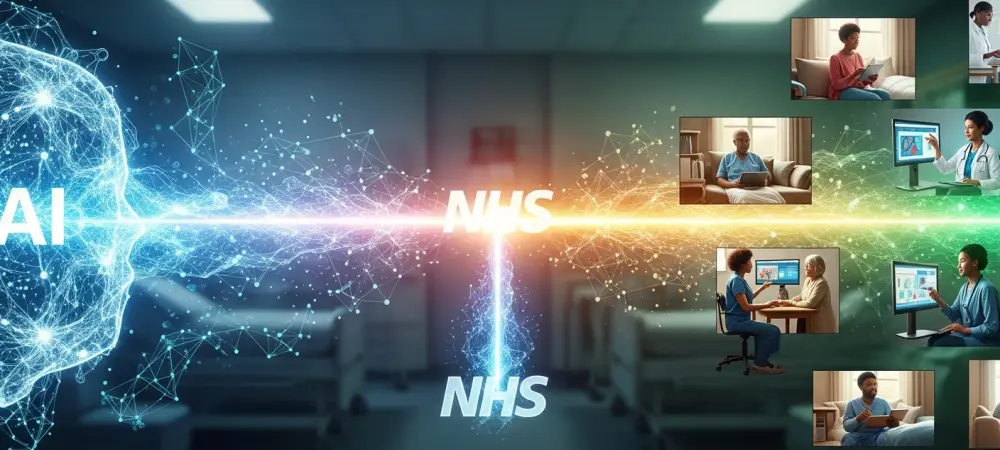
Dominic Jainy stands at the forefront of the digital revolution in healthcare, bringing a wealth of expertise in artificial intelligence and machine learning to the challenge of modernizing medical infrastructure. With a career dedicated to exploring how decentralized technologies and predictive algorithms can reshape traditional industries, he offers a unique perspective on the intersection of data science and patient care. Our conversation explores the transition toward decentralized healthcare, focusing on the fiscal benefits of virtual wards, the technical integration of real-time wearable data, and the critical need for transparency to build clinical trust. We also delve into how large language models are mitigating practitioner burnout and what the next decade holds for patients seeking independence through community-based care.
Remote monitoring can save $600 daily per hospital bed while returning three dollars for every dollar invested. How do these financial metrics influence the expansion of virtual wards, and what specific operational shifts are necessary to sustain such a high return on investment?
These financial metrics are a powerful catalyst for change because they prove that high-quality care doesn’t always require a physical hospital room. When we see a 61% reduction in bed days and an 89% reduction in GP appointments, it signals a massive relief for overstretched systems like the NHS. To sustain a three-to-one return on investment, hospitals must shift from a reactive “waiting room” culture to a proactive monitoring model where the home becomes the primary site of care. This transition requires a seamless logistics chain to deploy technology to patients’ doorsteps and a dedicated remote workforce that can act on data before a crisis occurs. By achieving a 39% drop in non-elective admissions, we see the tangible results of keeping patients stable in their own environments, which is far more cost-effective than emergency intervention.
Continuous data from clinical-grade wearables like ECGs and oxygen saturation levels is now being used to predict patient deterioration. How do machine learning models integrate this real-time data with existing medical records, and what steps do clinical teams take when an early warning sign is detected?
The real magic happens when machine learning models ingest a constant stream of vital signs—such as blood pressure, oxygen saturation, and ECG rhythms—and cross-reference them with a patient’s historical medical records. This creates a living, breathing health profile that recognizes subtle deviations that might be invisible to the naked eye. When the software detects a high-risk trend, it triggers an immediate alert for clinical teams, allowing them to intervene with precision rather than waiting for the patient to feel unwell. Instead of a frantic ambulance call, the response might be a preemptive medication adjustment or a telehealth consultation. This sensory-rich data environment gives doctors the confidence to manage much larger caseloads because they are only focusing their intense energy where the data indicates an urgent need.
Large language models are streamlining clinical notes to reduce administrative burdens and help clinicians manage larger caseloads. In what ways does this automation improve the mental well-being of medical staff, and how do you ensure that these tools remain accessible and clear for the patients receiving the information?
The administrative weight on healthcare workers is a primary driver of burnout, often leaving them buried under a mountain of paperwork instead of interacting with patients. By using large language models to automate note-taking and documentation, we give clinicians a much-needed “sigh of relief” and the mental space to focus on the human side of medicine. These tools are also incredible translators, taking dense, intimidating medical jargon and reshaping it into clear, accessible language that a patient can actually understand and follow at home. When a patient feels they truly comprehend their care plan, it reduces their anxiety and fosters a sense of partnership with their medical team. This clarity is essential for maintaining independence and ensuring that the technology serves as a bridge rather than a barrier between the doctor and the individual.
Clinical trust in predictive technology often remains low until there is clear evidence of success across diverse patient demographics. What strategies can be implemented to increase transparency in AI decision-making, and how do you ensure these models provide fair outcomes for every patient group?
Building trust is a slow, deliberate process that requires us to pull back the curtain on how these predictive models actually arrive at their conclusions. We must move away from “black box” algorithms and toward transparent systems where clinicians can see the specific data points—like a sudden dip in oxygen or a spike in blood pressure—that triggered a warning. To ensure fairness, we have to rigorously test these models against diverse patient groups to ensure the outcomes are accurate for everyone, regardless of their background. Clinical trust only grows when doctors see consistent, real-world evidence that the technology enhances their expertise rather than complicating it. By prioritizing ethical data practices and demonstrating success in varied clinical settings, we can overcome the skepticism that currently limits the scale of AI deployment.
Healthcare strategies are increasingly moving services away from hospitals and into the community to foster patient independence. How will this shift transform the role of the traditional hospital over the next decade, and what infrastructure is required to support long-term care in familiar home surroundings?
Over the next decade, the traditional hospital will evolve from a catch-all facility into a specialized hub for intensive surgery and acute emergency care, while the “community” becomes the main theater for long-term management. This shift, supported by initiatives like the 10-Year Health Plan for England, requires a robust digital infrastructure that can handle massive amounts of data flowing from millions of homes. We need reliable high-speed connectivity and a workforce trained to interpret AI-driven insights from afar to ensure patients feel safe and supported in their own living rooms. This transformation allows individuals to maintain their dignity and independence, receiving professional-grade care while surrounded by their own comforts and family. The goal is to create a system where the hospital is the last resort, not the first stop, for those living with chronic conditions.
What is your forecast for AI-driven healthcare integration?
I predict that within the next few years, AI will become an invisible but essential “nervous system” for global healthcare, where predictive monitoring is the standard of care rather than a luxury. We will see a world where the 61% reduction in hospital bed days we’ve observed becomes a global benchmark, fundamentally altering how governments allocate their health budgets. As clinical trust matures and algorithms become more transparent, the focus will shift entirely toward personalized, preventative medicine that happens in real-time. Eventually, the distinction between “digital health” and “traditional health” will disappear, leaving us with a singular, high-tech system that prioritizes keeping people healthy in their homes rather than just treating them when they are sick. This integration will ultimately save millions of lives by catching the earliest flickers of illness before they ever become a flame.