

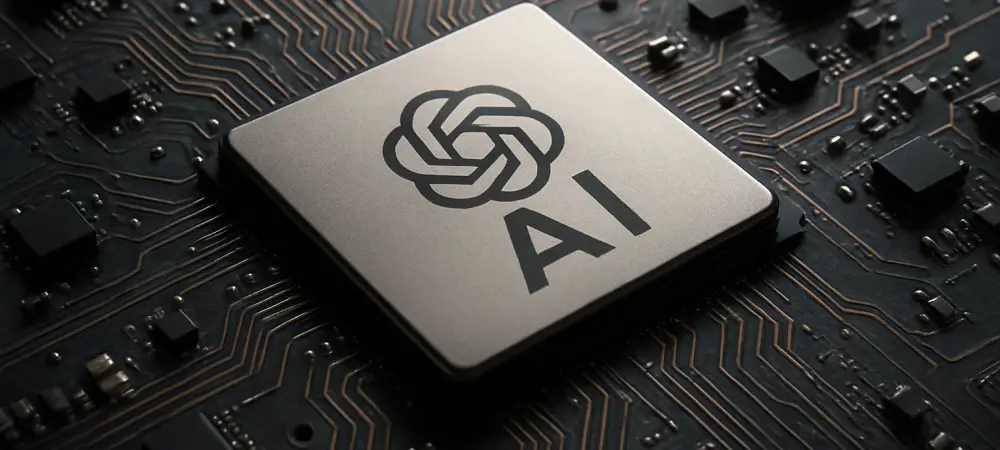
I’m thrilled to sit down with Dominic Jainy, a seasoned IT professional whose deep expertise in artificial intelligence, machine learning, and blockchain has positioned him as a thought leader in cutting-edge tech. Today, we’re diving into the exciting news surrounding Broadcom’s collaboration with OpenAI to develop a groundbreaking AI chip, a project that’s already making waves in the industry. Our conversation will explore the origins and specifics of this partnership, the unique features of the new accelerator chip, its market impact, and Broadcom’s ambitious outlook for the future of AI hardware.
How did Broadcom and OpenAI come together to work on this new AI chip, and what’s the story behind this collaboration?
Well, partnerships like this often stem from a shared vision and complementary strengths. Broadcom has been a powerhouse in chip design and networking solutions, while OpenAI is at the forefront of AI innovation. From what I understand, their collaboration likely emerged from a mutual need—OpenAI’s demand for specialized hardware to power their AI models and Broadcom’s expertise in creating custom accelerators. It’s a strategic alignment, with Broadcom stepping into a space where demand for AI-specific chips is skyrocketing, especially post-ChatGPT. The specifics of how they connected aren’t public, but it’s clear this is a response to the industry’s push for tailored solutions beyond what general-purpose chips can offer.
What are the distinct roles that Broadcom and OpenAI are playing in the development of this AI accelerator?
Broadcom is likely leading the hardware design and manufacturing side of things. They’ve got a strong track record in custom silicon, so they’re probably handling the architecture and production of the chip itself. OpenAI, on the other hand, would be providing the use-case expertise—defining the performance needs based on their AI workloads, especially for inference tasks. This means OpenAI is guiding what the chip needs to prioritize, like efficiency in running trained models, while Broadcom translates that into a physical product. It’s a classic case of tech meeting application.
Can you share some insights into the timeline for this new chip, particularly when we might see the first shipments?
From the reports, it looks like the first chips are slated to start shipping next year, which suggests they’re already deep into the design and testing phases. Getting a chip from concept to production is no small feat—it often takes a couple of years—so this timeline indicates they’ve been at it for a while. By 2026, we should see a more significant rollout, aligning with Broadcom’s projections for a big uptick in AI revenue. It’s an aggressive but feasible schedule given the urgency in the AI space.
What sets this AI chip apart from others currently in the market, and why does it matter?
What’s interesting here is that this chip seems tailored for inference tasks, which is the process of running AI models after they’ve been trained. That’s a different focus from chips optimized for training, which is where a lot of attention has been lately. This specialization could mean better efficiency and lower costs for deploying AI at scale, which is huge for companies like OpenAI that need to operate massive models. Compared to competitors, it’s positioning itself in a niche that’s less crowded but growing fast. While giants like Nvidia dominate with versatile GPUs, a purpose-built inference chip could carve out a unique space if it delivers on performance.
How does OpenAI plan to initially utilize this chip, and is it true it’s just for internal use at first?
Yes, from what’s been reported, OpenAI intends to use the chip for their own internal purposes initially. That makes sense—they’ve got enormous computational needs to run their AI services, and a custom chip could optimize costs and performance for their specific workloads. Starting internally also allows them to test and refine the technology in a controlled environment before considering broader applications. It’s a smart way to de-risk the project while still pushing the envelope.
Are there any plans down the line for OpenAI to expand the chip’s use beyond internal purposes?
While nothing’s been confirmed, it’s reasonable to expect that if the chip performs well internally, there could be opportunities to license it or make it available to other clients or partners. AI hardware is a hot market, and OpenAI might see value in turning this into a revenue stream or a way to deepen industry collaborations. For now, though, the focus seems to be on getting it right for their own needs, which is a solid first step before any expansion.
Broadcom’s CEO mentioned securing over $10 billion in orders from a new customer, rumored to be OpenAI. Can you shed light on the significance of this deal for Broadcom?
That’s a massive figure, and if it’s indeed tied to this partnership, it’s a game-changer for Broadcom. Ten billion dollars in orders signals not just a huge financial boost but also validates their pivot into AI-specific hardware. It’s a clear sign that they’re being seen as a serious player in this space, which has been dominated by a few big names. For their overall business, this kind of deal can drive long-term growth, fund further R&D, and strengthen their market position against competitors.
How has the market responded to the news of this partnership and the new chip development?
The market reaction has been pretty telling. Broadcom’s shares surged by as much as 16% after the announcement, which added over $200 billion to their market value. That kind of jump shows investors are incredibly optimistic about their future in AI hardware. On the flip side, we saw a dip in Nvidia’s stock, down over 4%, which suggests some are viewing this as a competitive threat. It’s early days, but these movements hint at a potential shift in how the AI chip landscape is perceived.
Broadcom’s outlook for fiscal 2026 was described as significantly improved. What’s driving this confidence in their AI revenue growth?
A big driver here is the immediate and substantial demand from this new customer, which is likely OpenAI. Their CEO has indicated that AI revenue growth will accelerate beyond the already strong 50-60% rate they’ve been seeing. This isn’t just about one deal—it’s about positioning Broadcom as a go-to for custom AI accelerators at a time when every tech giant is investing heavily in AI infrastructure. Add to that their ongoing upgrades in networking equipment for AI data centers, and you’ve got a recipe for sustained growth through 2026.
Looking ahead, what’s your forecast for the competitive landscape in the AI chip industry over the next few years?
I think we’re heading into a period of intense competition but also diversification. Companies like Broadcom entering with specialized chips for specific tasks like inference will challenge the dominance of more general-purpose solutions. We’ll likely see more partnerships between AI developers and hardware firms as the need for tailored solutions grows. The big question is whether these niche chips can scale economically while matching the performance of established players. My forecast is that by 2026, the market will be far more fragmented, with room for innovators who can solve specific pain points in AI deployment. It’s going to be an exciting space to watch.