

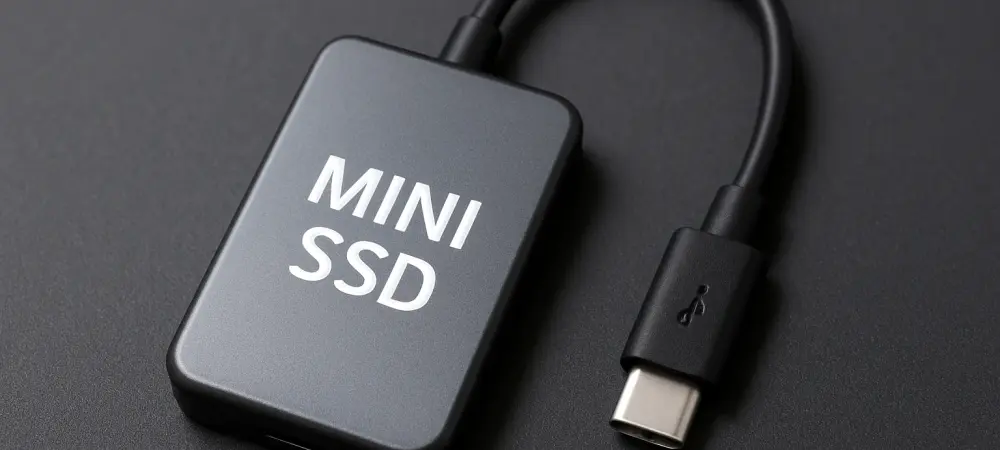
What if a storage device smaller than a penny could hold up to 2TB of data and transfer files at lightning speeds, revolutionizing the way we think about portable storage? Picture a world where bulky hard drives are obsolete, replaced by a speck of tech that slips into a pocket unnoticed yet powers laptops, tablets, and gaming handhelds with unmatched efficiency. Biwin, a leading Chinese storage innovator, has unveiled the Mini SSD—a compact powerhouse that challenges everything known about portable storage. This groundbreaking device isn’t just about size; it’s about solving the modern struggle of balancing mobility with high-capacity needs in an increasingly on-the-go digital landscape.
Why This Tiny Drive Is a Big Deal
In today’s tech-driven environment, portability isn’t a luxury; it’s a necessity. With content creators filming 4K videos in remote locations and gamers toting expansive libraries on handheld consoles, the demand for storage that doesn’t weigh down or slow down has never been higher. Biwin’s Mini SSD steps into this gap, offering a solution that redefines convenience without sacrificing performance. Measuring a mere 15 x 17mm and 1.4mm thick, it’s a marvel of engineering that promises to keep pace with shrinking device designs and exploding data requirements.
The significance of this innovation extends beyond individual users to broader industry trends. As devices continue to miniaturize—think ultra-slim laptops and compact gaming portables—the clash between form and function intensifies. This tiny drive isn’t just a product; it’s a potential turning point in how storage integrates into the next generation of technology, addressing real frustrations like slow transfer speeds and cumbersome external drives.
Design That Defies Expectations
Breaking down the Mini SSD reveals a device that punches far above its weight class. Its dimensions are staggering—smaller than most MicroSD cards yet boasting capacities of 512GB, 1TB, and up to 2TB. Beyond size, its performance impresses with sequential read speeds of 3,700MB/s and write speeds of 3,400MB/s over a PCIe 4×2 connection. While it doesn’t match the fastest M.2 drives, which can hit 14,000MB/s, it outstrips MicroSD Express cards capped at 985MB/s, proving that small doesn’t mean slow.
Durability adds another layer to its appeal. With an IP68 rating for water and dust resistance and the ability to survive drops from three meters, this drive is built for the rigors of mobile life. Photographers shooting in harsh conditions or travelers juggling devices in unpredictable settings can rely on its ruggedness. Add to that a SIM tray-like slot design for easy swaps in compatible devices, and it becomes clear this isn’t just compact—it’s cleverly practical.
Speed and Power in the Palm of a Hand
Performance isn’t just a spec sheet boast; it translates to real-world impact. For professionals handling large media files, the Mini SSD’s read speed of 3,700MB/s can drastically cut transfer times compared to traditional external drives or slower cards. Imagine a videographer moving hours of 4K footage in minutes rather than hours, freeing up time for editing on location. This kind of efficiency positions the device as a game-changer for workflows that can’t afford delays.
Yet, it’s not without limitations. While its speed is remarkable for its footprint, it falls short of top-tier M.2 drives used in high-end desktops. Compatibility also looms as a hurdle—currently, only niche devices like the GPD Win 5 and OneNetbook’s OneXPlayer Super X feature dedicated slots for this format. Until broader adoption happens, its transformative potential remains tethered to specific use cases, though early signs point to growing interest in compact, high-performance tech.
What the Tech World Is Saying
Initial reactions from the tech community blend excitement with measured caution. Industry analysts have praised the balance of size and speed, with one expert describing it as “a daring leap toward reimagining storage for tomorrow’s devices.” Early integration into gaming handhelds suggests a niche but enthusiastic audience, particularly among enthusiasts who value portability without compromise. Reports from users testing these devices highlight seamless performance in demanding scenarios, fueling optimism about its capabilities.
However, concerns linger over practicality. The tiny size, while innovative, raises fears of misplacement—a valid worry for anyone who’s ever lost a small gadget in a bag or desk drawer. Feedback from early adopters emphasizes the need for careful handling or accessories like protective cases. These insights ground the hype, painting a picture of a promising yet imperfect solution that demands thoughtful integration into daily routines.
Maximizing the Mini SSD’s Potential
For those eager to adopt this cutting-edge storage, practical strategies can unlock its full value. First, compatibility is key—ensure devices support the dedicated slot, as seen in early adopters like certain gaming portables. Staying updated on new releases from manufacturers over the next few years, from 2025 to 2027, could reveal expanded support across laptops and tablets. Checking specs before investing will prevent frustration down the line.
Beyond hardware, usage habits matter. Given its minuscule form, securing it with a keychain or small case can prevent loss while keeping it accessible. For professionals like photographers, leveraging its high-speed transfers for large files can streamline projects—pairing it with optimized software enhances efficiency further. Finally, monitoring market updates on pricing and availability will help determine if it’s a cost-effective alternative to existing options like external SSDs or traditional M.2 drives.
Reflecting on the journey of Biwin’s Mini SSD, it stands as a bold testament to innovation, carving a niche in a market hungry for compact solutions. Its blend of tiny design, robust performance, and practical durability offers a glimpse into what storage could become. Moving forward, the challenge lies in driving wider adoption—encouraging manufacturers to embrace this format could cement its place in everyday tech. For users, the next step is clear: explore compatibility, adopt smart handling practices, and stay tuned for industry shifts that might make this tiny titan a household name.