

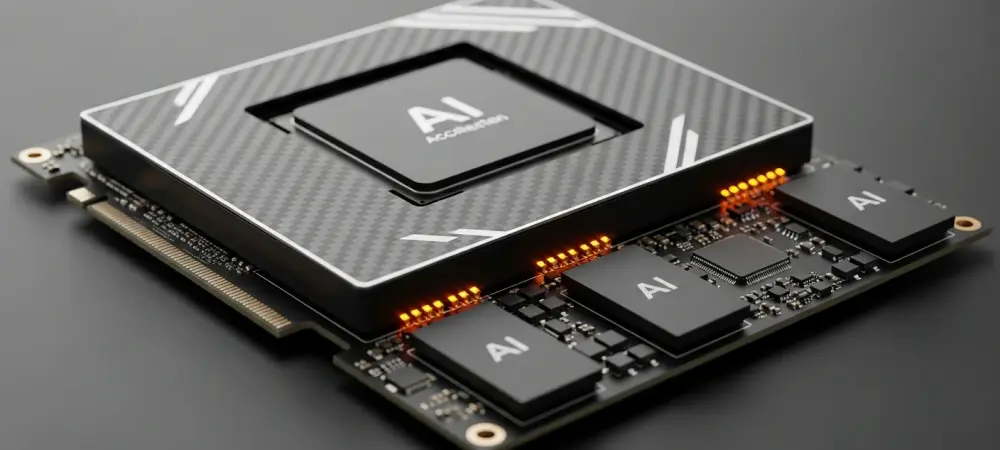
Navigating the Intersection: Next-Gen Computing and AI Integration
The global semiconductor market is currently undergoing a transformative shift where traditional performance metrics are being superseded by the specialized requirements of localized artificial intelligence inference. As the tech industry converges on Computex, the spotlight has intensified on how hardware manufacturers are adapting to the insatiable demands of high-speed data processing. Biostar, a veteran in the motherboard and industrial computing space, has stepped into the fray with a preview of its upcoming AMD-based platforms and an expansive AI-centric roadmap. This strategic pivot, coinciding with the company’s 40th anniversary, examines the tension between high-performance gaming hardware and the burgeoning requirements of Edge AI. By analyzing the technical nuances of the latest motherboard refreshes, it becomes clear how the company is positioning itself in a market that no longer differentiates between standard computing and AI-ready infrastructure.
The Evolution of the AM5 Ecosystem: Biostar’s Strategic Journey
To understand the significance of these latest reveals, one must look at the trajectory of the AMD AM5 platform and the industry-wide move toward longevity. Historically, motherboard manufacturers relied on frequent socket changes to drive sales, but the current landscape favors sustained platform support and incremental feature expansion. Biostar has spent four decades navigating these transitions, evolving from a budget-friendly component maker to a multifaceted provider of gaming and industrial solutions. The context of the 800-series chipset is particularly relevant here, as it represents a mature stage of the DDR5 era where the focus has moved from establishing stability to maximizing throughput. This foundation allows for the leverage of existing architectures while integrating specialized features that cater to the modern AI PC movement.
Technical Innovation: Market Realities in the Next Hardware Cycle
Distinguishing Between Generational Leaps and Strategic Refreshes
A central narrative leading up to this preview was the speculation surrounding the next architectural breakthrough, with early marketing materials sparking rumors of an imminent 24-core debut. However, a closer look at the technical specifications reveals a more pragmatic reality where these motherboards are sophisticated refreshes of existing 800-series designs rather than a total departure from current standards. While this might temper the expectations of those seeking a radical architectural shift, it highlights a critical industry trend where manufacturers use refresh cycles to fine-tune power delivery. These optimizations ensure that the current generation of processors can reach their theoretical performance ceilings through improved thermal management and voltage regulation.
Advancing Memory Performance: EXPO 1.2 and CUDIMM Support
One of the most impactful technical updates in the new AMD lineup is the early integration of EXPO 1.2 and support for Clocked Unbuffered Dual In-line Memory Module technology. As AI workloads and high-fidelity gaming become more memory-intensive, the bottleneck often shifts from the processor to the system memory subsystem. By enabling Ultra-Low Latency DDR5 configurations, the hardware addresses the need for faster data transfer rates and improved system responsiveness. This focus suggests that the primary innovation in the current cycle is not necessarily raw core counts, but the optimization of the data pipeline to handle the large datasets required for local machine learning inference.
Diversifying Into Edge AI and Industrial Computing Solutions
Beyond the consumer motherboard market, there is an aggressive expansion into the industrial and Edge AI sectors to provide localized processing power. Under the theme of innovating the future, new systems are being showcased that are built on NVIDIA Jetson platforms and hardware compatible with upcoming architecture. This diversification addresses a critical challenge in the industry regarding the need for processing that does not rely on cloud latency. By integrating specialized AI modules into the portfolio, the gap between traditional industrial automation and modern machine vision is effectively bridged, signaling a broader transition where hardware vendors provide the essential infrastructure for a global ecosystem.
Anticipating the Trajectory: AI-Centric Hardware Development
Looking forward, the hardware landscape will likely be defined by the AI PC standard, where Neural Processing Units and high-speed memory become as fundamental as the graphics processor. Future iterations of these motherboards are expected to feature even more specialized circuitry designed to offload specific tasks from the main processor. Additionally, the shift toward refined memory standards indicates that the coming years will be characterized by optimization rather than radical architectural disruption. Regulatory and economic shifts may also push more companies toward adopting Edge solutions as data privacy and energy efficiency become paramount in physical industrial applications.
Practical Implications: System Builders and Enterprise Stakeholders
For enthusiasts and professionals, the takeaway from this hardware preview is the importance of platform stability over speculative hype. While the next major architectural era remains on the horizon, the current 800-series refreshes offer a highly refined entry point for those needing immediate AI-ready capabilities. System builders should prioritize motherboards that offer robust memory support to future-proof their builds for upcoming software demands. For enterprise clients, the move into NVIDIA Jetson-powered systems provides a roadmap for integrating intelligence into physical infrastructure without the overhead of massive server racks, maximizing the utility of existing high-performance architectures.
Synthesizing Innovation: A New Era of High-Performance Hardware
In conclusion, the previews provided a microcosm of the current state of the tech industry by balancing the excitement of marketing with the practical reality of hardware refreshes. The emphasis on AI integration and advanced memory standards underscored the long-term significance of hardware that kept pace with rapid software evolution. As the company celebrated 40 years of innovation, its commitment to bridging the gap between traditional computing and artificial intelligence ensured a stable position in a complex world. The strategic focus on refined 800-series platforms ultimately offered a reliable foundation for both gamers and industrial users who required immediate, high-performance solutions.