

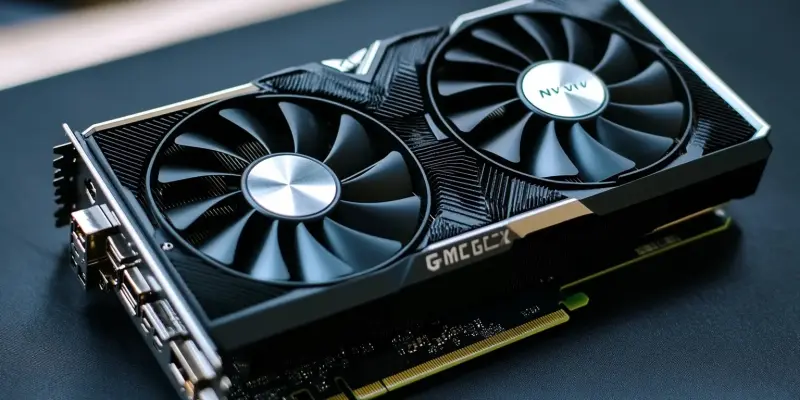
The realm of graphics processing units (GPUs) has seen unprecedented demand, and with this trend comes a surge in fraudulent activities aimed at exploiting eager buyers. Recent reports have uncovered a new wave of counterfeit Nvidia RTX 4090 GPUs, which are not only deceivingly sophisticated but also increasingly difficult to detect without a meticulous inspection. These scams often involve retrofitting older RTX 3090 boards with RTX 4090 coolers and even advancing in falsely labeling the dies to imitate RTX 4090 identifiers.
The Mechanics of GPU Fraud
Scammers have refined their tactics to an alarming degree. The modus operandi typically includes utilizing genuine RTX 3090 PCBs, which are then equipped with improperly labeled dies and custom coolers that mimic those of the RTX 4090 model. Even tech-savvy buyers are finding it challenging to differentiate these forgeries since the fake dies are meticulously polished and branded with convincing identifiers. However, a deep inspection of the PCB traces can reveal their RTX 3090 origins, providing a telltale sign of fraud.
This emerging trend represents a significant escalation from previous scams where inflated prices for genuine GPUs were the primary issue. Now, entire fake GPUs are being manufactured and sold as authentic high-end models. The severity of this development cannot be overstated, as it highlights an increased risk for consumers, especially those purchasing second-hand or through non-reputable sources. The consensus among experts suggests that buyers remain vigilant and employ software tools like GPU-Z to verify the authenticity of their purchases.
The Extent of the Threat
As the market dynamics continue to be volatile, the prominence of these scams has grown. The current high demand for GPUs, combined with supply chain constraints, makes it a lucrative environment for fraudsters. They capitalize on the desperation of users trying to secure a sought-after device, leading many unwary customers into the trap of buying counterfeit products. These scams are not just limited to low-profile vendors; some frauds have also been linked to seemingly reputable sellers, adding another layer of complexity for consumers to navigate.
A significant concern arises from the difficulty in detecting these fakes at the point of purchase. Physical inspection might initially fail to reveal the inherent discrepancies. It is only through post-purchase software verification, or in some cases, professional hardware diagnostics, that the scam is revealed. This challenge underscores the necessity for robust verification methods and heightened caution amongst potential buyers.
Methods of Mitigation and Precaution
The demand for graphics processing units (GPUs) has soared, leading to a surge in fraudulent activities targeting eager buyers. Recently, a new wave of counterfeit Nvidia RTX 4090 GPUs has been uncovered. These fake GPUs are cleverly designed and difficult to detect without thorough inspection. Scammers are now retrofitting older RTX 3090 boards with RTX 4090 coolers and even going as far as falsely labeling the dies to mimic RTX 4090 identifiers.
The sophistication of these scams is concerning, as the counterfeiters use advanced techniques to create almost indistinguishable replicas. Buyers must remain vigilant by closely examining the GPUs before purchasing. It’s advisable to buy from authorized retailers or directly from the manufacturer to ensure authenticity. The increase in counterfeit GPUs underscores the importance of consumer awareness and careful inspection to avoid falling victim to these scams. This trend not only reflects the high demand for GPUs but also highlights the lengths to which fraudsters will go to exploit the market.