

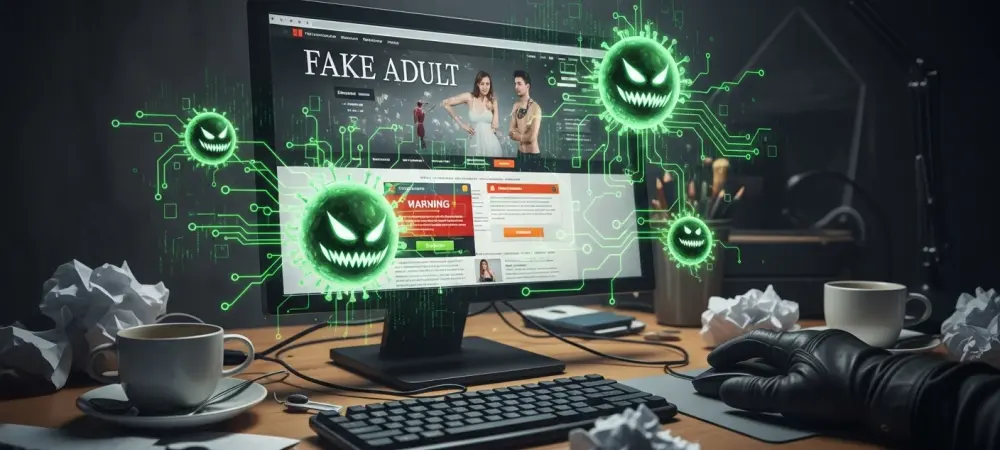
Imagine browsing the internet late at night, stumbling upon a tempting link that promises exclusive content, only to find your device locked with a fake update screen demanding immediate action. This isn’t a far-fetched scenario but a real and growing cyber threat targeting unsuspecting users through counterfeit adult websites. Cybercriminals are capitalizing on human curiosity and the sensitive nature of such content to deploy sophisticated malware that can hijack devices and steal personal data. These attacks, often cloaked as urgent system updates or security alerts, prey on vulnerabilities—both technological and psychological—making them particularly dangerous. The rise of tactics like the “JackFix” campaign signals a disturbing trend where deception is woven into every click. As these threats evolve, understanding how they operate and why they succeed is crucial for anyone navigating the digital landscape. This alarming reality sets the stage for a deeper dive into the mechanisms and risks behind these malicious schemes.
How Cybercriminals Exploit Human Psychology
The success of malware attacks via fake adult sites often hinges on the exploitation of human emotions rather than just technical flaws. Cybercriminals craft scenarios that play on fear, embarrassment, or urgency, particularly when users are engaged with sensitive content. The lure of adult material, which many approach with a mix of curiosity and caution, creates a perfect storm for manipulation. Attackers rely on the stigma associated with such browsing habits, knowing that users might hesitate to seek help or report an issue. A fake pop-up mimicking a Windows Update, for instance, can push someone to act quickly to “fix” a supposed problem, bypassing rational thinking. This psychological pressure is a deliberate tactic, designed to override skepticism and prompt hasty clicks on malicious links or downloads. The result is often a compromised device, with malware quietly siphoning off data in the background while the user remains unaware of the breach until it’s too late.
Moreover, the context in which these attacks occur amplifies their effectiveness. When browsing adult content, users are often in a private or distracted state, less likely to question the authenticity of an urgent message or warning. The “JackFix” attacks, for example, use full-screen browser hijacking to present a convincing system alert that’s hard to close or ignore. This creates a sense of panic, especially if the prompt suggests a security threat or potential exposure of browsing history. Attackers count on this momentary lapse in judgment, leveraging the fear of being “caught” to drive compliance with their instructions. Beyond just installing malware, these tactics can lead to broader consequences like identity theft or financial loss. What’s striking is how these schemes blend technical trickery with an acute understanding of human behavior, making them a formidable challenge for even tech-savvy individuals to detect in the heat of the moment.
The Technical Tricks Behind the Attacks
Shifting focus to the mechanics of these cyber threats, the sophistication of the tools used by attackers is both innovative and unsettling. The “JackFix” campaign stands out with its use of browser-based screen hijacking, where a full-screen fake Windows Update interface locks users out of normal navigation. This isn’t just a simple pop-up; it’s a meticulously crafted deception complete with animations and progress bars that mimic legitimate software updates. Such techniques, as noted by cybersecurity experts, mark a significant evolution in how malware is delivered. Unlike traditional phishing attempts that rely on email links, this method traps users directly within their browser, leaving little room for escape without following the attacker’s instructions. The endgame is often the installation of dangerous malware that can log keystrokes, steal passwords, or even encrypt files for ransom.
In addition to screen hijacking, cybercriminals are employing other advanced strategies to bypass defenses. Techniques like steganography, where malicious code is hidden within the pixel data of seemingly harmless images, showcase the lengths to which attackers go to evade detection. Multi-stage malware delivery chains, involving infostealers like LummaC2 or Rhadamanthys, further complicate the threat landscape. These methods ensure that even if one layer of the attack is stopped, another can still infiltrate the system. What’s particularly concerning is how these approaches build on long-standing deception tactics while introducing novel twists that challenge existing security software. As attackers refine their methods, staying ahead requires not just updated antivirus tools but also a keen awareness of how seemingly benign elements, like an image or update prompt, can harbor significant risks waiting to exploit the smallest lapse in vigilance.
Staying Safe in a Deceptive Digital World
Navigating the internet safely amid these threats demands a proactive mindset and practical habits. One of the most effective defenses is to avoid clicking on unsolicited links or pop-ups, especially when accessing sensitive content like adult websites. Cybercriminals often rely on users taking the bait through emails or messages that promise exclusive material or claim to have compromising information. Instead, accessing websites directly by typing the URL into the browser can significantly reduce the risk of landing on a malicious imitation. Additionally, maintaining up-to-date security software provides a crucial layer of protection against evolving malware. However, technology alone isn’t enough; users must also cultivate a healthy skepticism toward any prompt or warning that creates a sense of urgency, as these are often designed to exploit impulsive reactions rather than genuine system needs.
Furthermore, recognizing the signs of a scam can prevent falling into psychological traps set by attackers. Threatening emails that claim to have recorded personal activities or accessed devices are typically empty bluffs, often spoofing familiar email addresses to seem credible. The advice from cybersecurity experts is clear: delete these messages without engaging. Beyond this, educating oneself about common tactics, like fake update screens or hidden malware in images, empowers users to spot red flags before it’s too late. If a device does seem compromised, avoiding further interaction with suspicious prompts and seeking professional help can limit damage. Ultimately, user behavior remains the first line of defense in a landscape where attackers blend technical prowess with human manipulation. By staying informed and cautious, individuals can reclaim control over their digital safety and thwart even the most cunning schemes that emerged in recent times.