

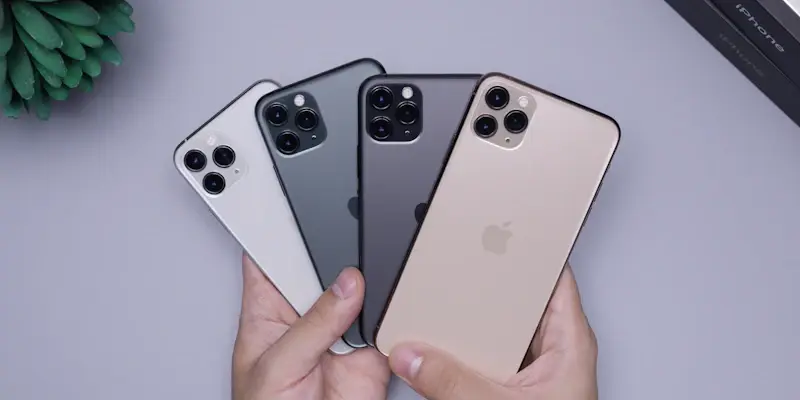
Apple’s new iPhone 16e, set for release soon, is generating significant buzz in the tech world, posing intriguing questions about how this more affordable model might impact the luxury brand’s standing in the premium smartphone market. Traditionally, Apple has maintained an unassailable position through cutting-edge technology, stylish design, and a robust brand identity. Rumors of the iPhone 16e suggest it will be less expensive, raising curiosity over whether it will dilute Apple’s reputation for exclusivity or simply broaden its loyal customer base without compromising its high-end appeal.
Shifting Towards a More Inclusive Market Approach
The Historical Exclusivity of Apple
In recent years, Apple has taken a subtle but noticeable shift in its market strategy. Historically, the tech giant has presented itself as a luxury brand, placing its products at the top tier of the market both in terms of pricing and quality. The introduction of the iPhone SE series previously marked Apple’s entry into the more affordable smartphone segment, albeit with hardware that lagged behind its flagship models. The upcoming iPhone 16e is expected to differ by incorporating new hardware, offering a balance of affordability without venturing into the low-cost arena.
The iPhone SE was Apple’s first effort at capturing a broader audience while keeping the high-end allure intact. But these devices were essentially rehashes of older technology, providing users with outdated hardware at more accessible prices. In contrast, the iPhone 16e is rumored to provide newly developed hardware that might lack a few top-tier features, yet still offer a near-flagship experience. This strategic adjustment allows Apple to maintain its high-quality image while making the brand accessible to a wider audience.
Apple’s strategy shift could be seen as a response to the evolving global economy and varying consumer demands. By tapping into both mid-range and luxury markets, Apple aims to attract cost-conscious buyers without forsaking its premium brand essence. Experts believe that this approach could be particularly appealing to consumers in developing countries, where the blend of affordability and high performance would be a significant selling point. Consequently, Apple’s move to introduce the iPhone 16e aligns with its goal of appealing to a diverse, global audience.
Balancing Prestige and Accessibility
The challenge for Apple lies in striking a delicate balance between maintaining its prestigious brand image and offering more accessible pricing to expand its customer base. The impending release of the iPhone 16e is being watched closely, as it is set to be a test of whether Apple can deliver near-flagship experiences at a price point that doesn’t send traditional iPhone users in search of more exclusive territories. A lower-priced iPhone with comparable high-end experiences could lure potential buyers previously deterred by the high costs of owning an iPhone.
Past introductions like the iPhone XR have shown that Apple can release less expensive models without tarnishing its high-end reputation. However, the true test will be whether the iPhone 16e can repeat this success while remaining strategically priced. This way, it can retain premium features that justify its brand’s luxurious image while simultaneously expanding Apple’s footprint in the high-end market. The iPhone 16e must walk a fine line to engage new customers without alienating its existing premium-focused user base.
Encouraged by the intense competition in the smartphone market, Apple’s recent strategy showcases a fascinating move. Rivals like Samsung and Google have carved out significant portions of the mid-range market with feature-rich yet affordable smartphones. By placing the iPhone 16e in the competitive price range of Rs 59,900–Rs 89,900, Apple aims to match these competitors head-to-head. Whereas Samsung Galaxy and Google Pixel phones make waves in affordability, Apple’s calculated entry with the iPhone 16e hopes to strike the perfect chord in market positioning.
Consumer Sentiment and Market Reception
The Role of Brand Loyalty
Consumer sentiment plays a crucial role in determining the success of Apple’s new strategy with the iPhone 16e. Apple boasts a highly loyal user base, which may welcome the introduction of a cheaper iPhone equipped with essential features such as software updates, superior build quality, and seamless ecosystem integration. A recent Consumer Tech Review survey revealed that 68% of potential customers are open to buying the iPhone 16e, provided it offers new features at a lower price. This enthusiasm, however, is tempered by concerns about diluting the brand’s exclusivity as expressed by 21% of respondents.
Brand loyalty is a powerful force that Apple is likely relying on heavily with the launch of the iPhone 16e. The company is banking on its customers’ trust and adherence to the brand’s values, expecting that the new model will be seen as an embodiment of Apple’s consistent quality and innovation, even at a lower price point. The iPhone 16e’s ability to deliver an excellent user experience, tied seamlessly into other Apple products and services, could fortify customer satisfaction and brand allegiance.
Potential Market Impact
Apple is generating significant buzz with its upcoming release of the iPhone 16e. This new model, which is rumored to be more affordable, poses interesting questions about how Apple’s status in the premium smartphone market might be affected. Historically, Apple has secured an unassailable position in the industry due to its cutting-edge technology, sleek design, and strong brand identity. The iPhone 16e, expected to be less expensive, has many wondering if it will dilute Apple’s reputation for exclusivity. Will this new offering merely broaden Apple’s loyal customer base without diminishing its high-end appeal? The tech world is speculating whether this could be a strategic move to make Apple products accessible to a wider audience or if it risks undermining the brand’s luxury image. Regardless, Apple’s innovative approach and market strategies are likely to ensure that it remains a dominant force in the smartphone industry, appealing to both existing customers and new ones with various budget levels.