

Setting the Stage: Digital Growth in a Geopolitical Hotspot
Imagine a region where digital connectivity could redefine economic futures, yet geopolitical tensions loom large over every infrastructure project, placing Vanuatu—a nation of over 80 islands—at a critical crossroads in the South Pacific. Australia is stepping in as a pivotal player with a landmark AU$120 million (US$79 million) investment in two state-of-the-art data centers. This initiative, part of a broader security and development pact, signals not just a technological leap but also a strategic positioning in a market increasingly shaped by global powers vying for influence. The purpose of this analysis is to dissect the market dynamics surrounding this investment, exploring how it fits into the digital infrastructure landscape of the Pacific and its implications for regional economic trends. The importance of this development lies in its dual nature—combining technological advancement with geopolitical strategy. As digital infrastructure becomes a cornerstone of economic resilience, especially for small island nations, understanding the motivations and potential outcomes of such investments offers critical insights for stakeholders in technology, international development, and policy spheres. This analysis aims to unpack the market trends driving Australia’s commitment, assess the current state of Vanuatu’s digital ecosystem, and forecast the long-term economic and strategic impacts in the region.
Diving into Market Trends: Digital Infrastructure and Strategic Investments
Unpacking the Digital Deficit in Vanuatu
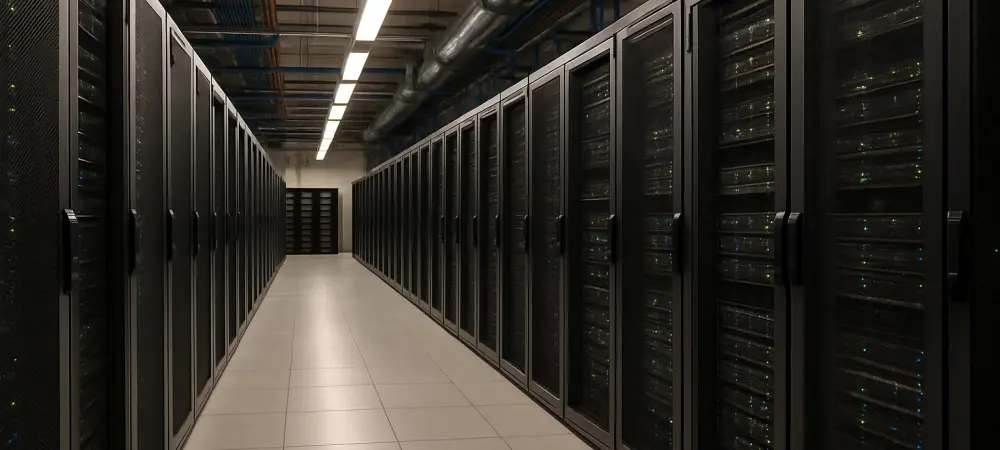
Vanuatu’s digital market remains nascent, characterized by limited infrastructure that struggles to serve a dispersed population across numerous islands. Currently, the nation operates a modest government data center in Port Vila with just nine racks and a small backup facility, supplemented by a connection to an Equinix data center in Sydney. This setup, while functional, falls short of meeting the growing demand for reliable internet and data storage, crucial for sectors like e-governance, education, and commerce. Recent strides, such as a partnership between local ISPs to roll out 5G coverage, highlight an emerging market appetite for connectivity, yet the scale remains insufficient without significant capital infusion. Australia’s funding of two new data centers in Port Vila and Santo addresses this gap directly, promising to bolster data capacity and internet reliability. From a market perspective, this investment could catalyze growth in Vanuatu’s tech sector, potentially attracting foreign firms seeking regional hubs for data services. However, challenges persist, including high operational costs in a remote, disaster-prone area and the need for skilled labor, which could temper short-term market expansion if not addressed through parallel training programs.
Geopolitical Underpinnings: A Strategic Market Play
Beyond technology, the investment reflects a broader market trend where infrastructure projects double as tools for geopolitical leverage in the Pacific. Australia’s AU$500 million (US$330 million) aid package over the next decade, of which the data center funding is a part, positions it as a counterweight to other global players expanding their footprint through commercial and security partnerships in the region. This strategic move targets a market segment where trust and long-term partnerships are as valuable as financial commitments, aiming to secure Australia’s role as a primary ally for Vanuatu.
Market analysis indicates that such initiatives often carry risks of perception, where local stakeholders might view foreign investments as driven by external agendas rather than genuine developmental goals. Opportunities lie in ensuring tangible benefits—such as job creation and improved digital access—reach Vanuatu’s population, potentially setting a precedent for how strategic investments can reshape market dynamics without alienating local interests. The balance between influence and mutual gain will be a critical metric for assessing this project’s market impact over time.
Broader Economic Ripple Effects in the Pacific
The data center project also ties into wider economic trends in the Pacific, where digital infrastructure is increasingly linked to climate resilience and sustainable growth. Vanuatu, vulnerable to rising sea levels and natural disasters, stands to benefit from enhanced data capabilities that support disaster response systems and climate monitoring. Australia’s comprehensive approach, integrating technological aid with budget support and labor mobility programs, reflects a market shift toward holistic development models that address interconnected challenges.
From a market forecasting standpoint, this integrated strategy could inspire similar investments across other Pacific nations, creating a networked digital economy resilient to environmental and geopolitical shocks. However, regulatory hurdles, such as aligning with international data security standards, and economic constraints, like sustaining funding, will shape the pace of growth. Investors and policymakers monitoring this space should note the potential for scalable models that blend technology with sustainability, a trend likely to define Pacific markets in the coming years.
Reflecting on Market Insights: Strategic Implications and Future Pathways
Looking back, the market analysis of Australia’s investment in Vanuatu’s data centers reveals a nuanced interplay of technological advancement and strategic positioning within a geopolitically sensitive region. The initiative highlights a critical gap in digital infrastructure that, when addressed, unlocks potential for economic growth while reinforcing Australia’s role in the Pacific market. The broader aid package demonstrates a shift toward comprehensive partnerships, setting a benchmark for how infrastructure investments can drive multifaceted development. Key implications emerge around the need for balance—between strategic goals and local benefits, and between immediate technological upgrades and long-term sustainability. For stakeholders, the next steps involve prioritizing capacity-building to empower Vanuatu’s workforce in managing new digital assets, ensuring market autonomy. Tech firms could explore entry points for partnerships, leveraging these centers as regional bases, while policymakers might consider replicating this model elsewhere with tailored adaptations. Ultimately, the focus shifts to fostering trust and collaboration, ensuring that such investments pave the way for a connected, resilient Pacific market landscape.