

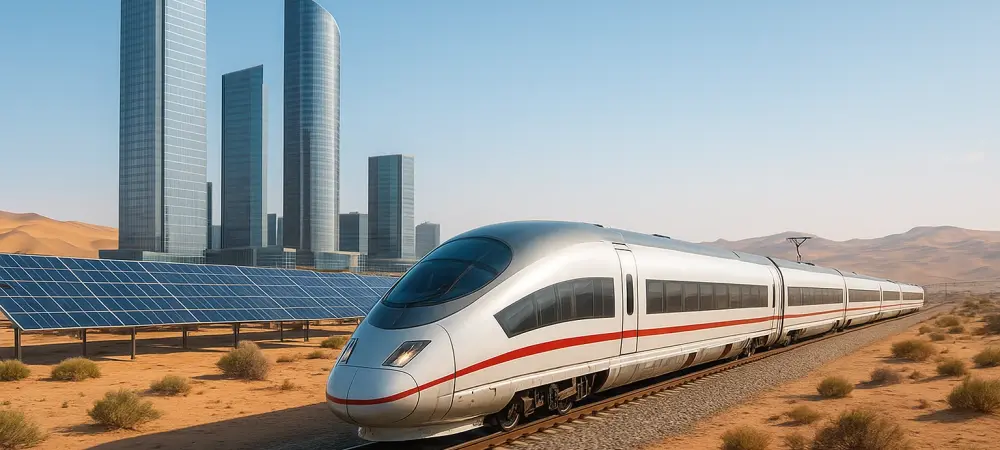
The silence of the vast Arabian desert is increasingly interrupted not by the traditional gusts of wind but by the sophisticated hum of sprawling data centers and the rhythmic construction of futuristic cities that redefine the boundaries of human ambition. As Saudi Arabia approaches its 96th National Day on September 23, 2026, the global perception of the Kingdom has moved far beyond the simplistic imagery of oil derricks and desert dunes. This transition represents the fruition of Vision 2030, an audacious plan that has successfully pivoted the nation from a hydrocarbon-heavy past toward a multifaceted, high-tech future. The transformation is not merely economic; it is a profound cultural and digital recalibration that is being broadcast to the world through a modernized media apparatus that serves as the heartbeat of this new era.
This landmark anniversary serves as a critical vantage point for assessing how a nation can reinvent its fundamental identity in less than a decade. The transition toward a digital economy is no longer a set of ambitious bullet points in a policy document but a living reality seen in the streets of Riyadh and the shores of the Red Sea. The importance of this story lies in its role as a blueprint for the global south, demonstrating how resource-wealthy nations can utilize their assets to fund a permanent escape from commodity dependence. As the world watches, the Kingdom is essentially upgrading its national operating system, ensuring that every citizen and industry is integrated into a globalized, innovation-driven network.
The 96th National Day: A Digital Leap Beyond the Oil Era
The arrival of the 96th National Day in 2026 marks a symbolic departure from the rhythmic pump of oil rigs to the lightning-fast processing of data. For nearly a century, the Saudi story was defined by what lay beneath the ground, but today, the narrative is driven by the structures rising above it. This milestone is less a celebration of historical legacy and more a showcase of the Kingdom’s emergence as a global digital powerhouse. The shift is visible in every facet of life, where the traditional heritage of the Arabian Peninsula now coexists with high-speed giga-projects that utilize artificial intelligence to manage everything from traffic flow to energy consumption.
This evolution signifies a high-speed update to the national identity, where the hum of innovation has replaced the static nature of a resource-based economy. The transition is not merely about replacing one revenue source with another; it is about creating a dynamic environment where creativity and technology are the primary currencies. The 96th National Day serves as a moment of national pride, reflecting a country that has successfully navigated the complexities of modernization while maintaining its cultural soul. It is a live broadcast of a nation in motion, documenting a journey that has transformed the Kingdom into a hub for international diplomacy and technological advancement.
From Dependence to Diversification: Why the Shift Matters
The strategic pivot away from oil dependence is a calculated response to the volatility of global energy markets and a proactive embrace of the Fourth Industrial Revolution. For decades, the national budget and societal stability were tethered to the fluctuating price of a barrel, creating a cycle of vulnerability. By implementing Vision 2030, the Kingdom has decoupled its progress from these external pressures, fostering an environment where non-oil sectors provide the necessary stability. This shift matters because it provides a template for sustainability, showing that a nation can proactively reform its economic foundations before being forced to do so by resource depletion.
Moreover, the Kingdom is currently positioning itself as a global laboratory for rapid institutional and social modernization. With the upcoming Expo 2030 and the 2034 FIFA World Cup on the horizon, the pressure to build world-class infrastructure is immense, yet the progress remains consistent. This diversification is the engine that drives social change, providing the younger generation with opportunities in tech, entertainment, and renewable energy that did not exist a few years ago. The world is witnessing a case study in how visionary leadership can harness national wealth to create a resilient, future-proof society that is no longer at the mercy of global supply chains.
The Pillars of a New National Identity
Economic statistics provide the most concrete evidence of this transformation, with non-oil activities now accounting for a substantial 55% of the national GDP. A 4.9% growth rate within this sector highlights a structural shift that supports a diverse range of industries, from logistics and tourism to high-tech manufacturing. This is not a temporary spike but a sustained trend that confirms the Kingdom’s move toward a balanced economy. By fostering a climate that encourages foreign investment and domestic entrepreneurship, the nation has built a foundation that can withstand the shifts of the global market.
Physical transformation is equally impressive, led by massive developments like NEOM and the Red Sea Project, which serve as global anchors for urban innovation. These projects are not simply real estate ventures; they are testing grounds for sustainable living and futuristic infrastructure. In tandem with these architectural feats, the Saudi Green Initiative has successfully rehabilitated one million hectares of land and planted 159 million trees by early 2026. By utilizing satellite imagery and remote sensing to monitor ecological health, the Kingdom is blending environmental stewardship with advanced data science to ensure that its growth is as green as it is profitable.
Media as the Digital Engine of National Change
The Saudi media sector has undergone its own internal revolution, moving far beyond traditional broadcasting to integrate artificial intelligence into the very fabric of storytelling. Through initiatives like the Saudi Media Innovation Camp, the industry now leverages advanced algorithms for audience behavioral modeling and real-time data gathering. This ensures that national messaging is not only precise but also highly relevant to a global audience that consumes information at the speed of light. Modern newsrooms in Riyadh are now technological hubs where AI assists in everything from editorial workflows to the creation of immersive digital content. To maintain integrity in this digital frontier, the Ministry of Media established the Charter of AI Principles, setting a global standard for transparency and ethical governance. This framework addresses the challenges of synthetic content and deepfakes by mandating human accountability and protecting intellectual property. By standardizing the national brand identity under themes like “Our Pride is in Our Nature,” the Kingdom ensures a consistent and resonant image across all platforms. This strategic communication turns every national milestone into a high-definition experience, bridging the gap between traditional values and modern technological capabilities.
Strategies for Navigating the New Saudi Landscape
For organizations and investors looking to engage with this rapidly evolving market, a data-driven approach is no longer optional. Successful communication now requires the use of sophisticated sentiment analysis to understand the nuances of a society undergoing rapid social and economic change. Messaging must be aligned with the core tenets of Vision 2030, reflecting a commitment to innovation and progress while respecting the deep-seated traditions of the region. Those who rely on outdated narratives will find themselves increasingly disconnected from a population that is highly digitally literate and globally minded.
Furthermore, effective engagement in the Kingdom relies on multi-platform immersive storytelling that goes beyond simple press releases. Modern Saudi communication utilizes a digital layer where visual assets, podcasts, and interactive platforms create a cohesive narrative. Stakeholders must also align their operations with the nation’s ethical benchmarks, particularly regarding the Charter of AI Principles and environmental sustainability. By demonstrating a genuine contribution to the nation’s ecological and technological goals, entities can secure their place in a new Saudi economy that values transparency, innovation, and long-term partnership over short-term gain.
The transformation of the Kingdom required a fundamental shift in how internal and external stakeholders interacted with the national narrative. Leaders recognized that economic diversification remained hollow without a corresponding evolution in digital transparency. As the foundations of this new economy solidified, the focus moved toward long-term human capital development and the refinement of AI-driven social systems. Investors who successfully integrated with these frameworks found a landscape that prioritized ethical technological integration and ecological stewardship. Ultimately, the successful navigation of this era depended on a commitment to data-driven governance and a clear vision for a sustainable future.