

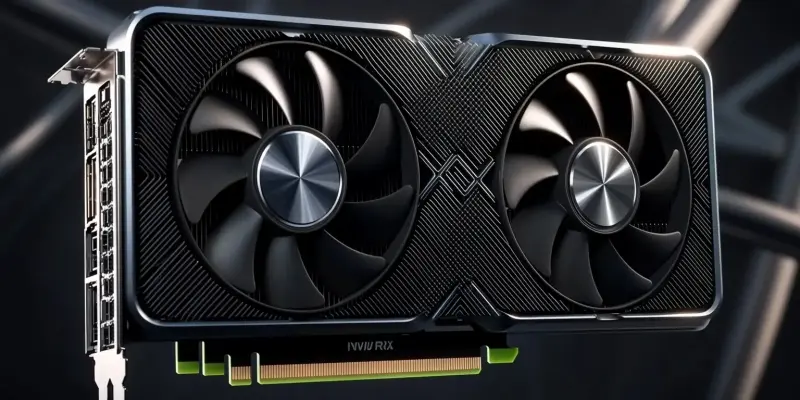
New reports have surfaced indicating that NVIDIA’s recent GPU drivers, particularly the 572.XX versions, are causing significant issues for users of older RTX 30 and RTX 40 series graphics cards. This development has led game developers, including those from recently launched titles like inZoi and The First Berserk: Khazan, to actively recommend avoiding these drivers due to widespread reports of crashes, freezes, and performance drops. The situation underscores a growing concern in the gaming community regarding the stability and reliability of these critical software updates.
Instability and Performance Issues with 572.XX Drivers
Despite the 572.XX drivers being somewhat stable for the newer RTX 50 series GPUs after recent updates, they have introduced a host of issues for the RTX 40 series, which NVIDIA has not yet publicly addressed. These reports of instability have resulted in developers advising players to downgrade their drivers for better stability and performance. While the issues seem to be less frequent among RTX 30 series users, those experiencing instability are also being encouraged to roll back to older drivers, specifically the 566.36 version released in December 2024.
A particular area of concern is that RTX 50 GPU owners are unable to revert to pre-572.XX drivers due to a lack of support for these newer cards in the older driver versions. This limitation highlights a potential oversight from NVIDIA, especially considering the gaming segment’s relatively small contribution to the company’s overall revenue. The predicament leaves developers in a challenging position as they strive to ensure a consistent and stable gaming experience for their users amidst these driver-related complications.
Developer and Community Response
The gaming community and various developers have voiced a collective appeal for NVIDIA to address these driver issues promptly. Influential sources such as @mpr_reviews, as well as inZoi and Khazan game developers, have underscored the necessity of having stable and reliable drivers for a seamless gaming experience. These developers have taken a proactive stance, recommending specific driver versions to mitigate the encountered problems and maintain game stability.
The prevailing sentiment among both gamers and developers is one of frustration, as the frequent crashes, freezes, and performance drops significantly detract from the gaming experience. This situation has led to a sense of urgency, with calls for NVIDIA to rectify the problems introduced by the 572.XX drivers. The need for NVIDIA’s responsive action is crucial to restoring confidence among its user base and ensuring that their gaming hardware can perform optimally without unexpected disruptions.
Looking Ahead: Expectations from NVIDIA
Recent reports indicate that NVIDIA’s latest GPU drivers, specifically the 572.XX versions, are causing significant problems for users of older RTX 30 and RTX 40 series graphics cards. Many users have reported experiencing crashes, freezes, and performance drops after updating to these drivers. Gaming developers, including those behind new titles like inZoi and The First Berserk: Khazan, are now advising players to avoid these updates. This situation has sparked considerable concern within the gaming community, as the stability and reliability of these critical software updates are now in question. While NVIDIA has yet to issue an official response, the impact on game performance and player experience is noticeable. Gamers rely heavily on timely and efficient updates to ensure their hardware runs optimally, and any disruptions can affect gameplay significantly. It is essential for NVIDIA to address these issues promptly to retain consumer trust and ensure their products perform as expected in demanding gaming environments.