
Are NVIDIA RTX 5090 and 5080 GPU Problems Linked to PCIe 5.0?

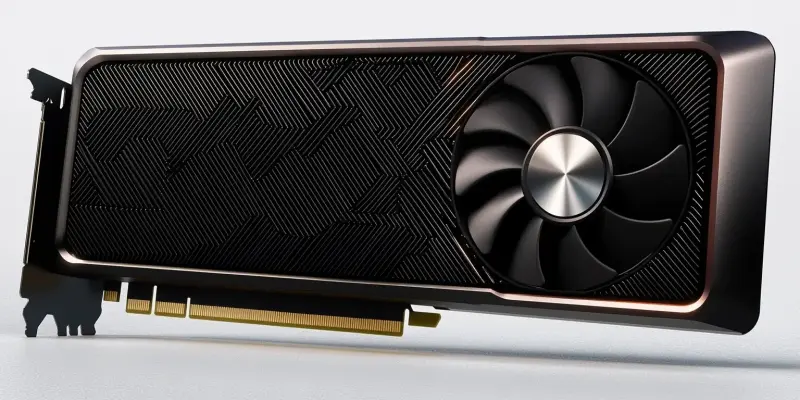
The recent problems surrounding NVIDIA’s latest RTX 5090 and RTX 5080 graphics cards have left many tech enthusiasts scratching their heads. Early adopters have reported significant issues, particularly following the most recent driver update. Users from Chinese forums like Baidu and Chiphell, as well as Reddit, have been vocal about their experiences, noting that their RTX 5090 GPUs are often not recognized by Windows after the update. The RTX 5090D, a Chinese market variant from brands such as Colorful, Gigabyte, and Manli, appears to be especially affected. The root of these problems might be linked to PCIe 5.0 compatibility, as discovered by hardware reviewer der8auer, who noted similar issues with the RTX 5080 Founders Edition. These issues seemed to disappear once the connection was reverted to PCIe 4.0.

This situation is particularly disheartening for those who have spent substantial amounts on these high-end GPUs. Beyond driver issues, these buyers are also grappling with stock shortages and high prices. Interestingly, the issues persist despite Windows Central’s Ben Wilson not encountering problems with pre-release drivers on PCIe 5.0. This discrepancy suggests that specific hardware configurations could be a pivotal factor in these malfunctions. For now, NVIDIA has not officially acknowledged the problems nor offered a solution, leaving affected users in a challenging position.

In the interim, those experiencing difficulties are being advised to revert to older driver versions or switch their motherboard’s BIOS settings to PCIe 4.0. These temporary solutions, while not ideal, may provide some relief as NVIDIA continues to investigate. The timing of these issues is especially critical with the imminent launches of the RTX 5070 Ti and AMD’s RDNA GPUs. Prospective buyers looking forward to these new releases might hope to avoid the initial troubles and associated costs currently plaguing the RTX 5090 and 5080.

User frustration has been palpable, highlighting the urgent need for a resolution to these technical challenges. It remains to be seen how NVIDIA will address these issues, but the consensus among the community is clear: a swift and effective fix is needed to restore confidence in their latest GPU offerings. Moving forward, the tech world will be closely watching NVIDIA’s response to ensure such hiccups don’t mar future launches.

Explore more

Why SMS Marketing Is Still a Powerhouse for Modern Brands

The rapid evolution of consumer behavior has left many traditional digital marketing channels struggling to maintain relevance in an environment where attention spans are increasingly fragmented across multiple platforms. While social media algorithms dictate visibility and email inboxes become graveyard sites for promotional content, short message service technology provides a direct, unmediated conduit to the most personal device an individual

How Can Video Content Modernize Dry Cleaning Marketing?

The transition from traditional print advertising to dynamic digital storytelling represents the most significant shift in garment care marketing seen in over three decades, fundamentally changing how local businesses connect with their respective communities. Statistics indicate that while paid search costs for dry cleaners increased by nearly twenty percent from 2026 to 2028, the conversion rates for those same ads

Can Open-Source Apps Replace Your Windows Essentials?

The long-standing perception that Microsoft Windows remains the sole ecosystem capable of supporting a high-performance professional workflow is rapidly dissolving as open-source alternatives reach a state of unprecedented maturity. For years, the primary barrier to adopting a Linux-based operating system was the notorious “app gap,” a situation where industry-standard proprietary software simply did not exist for non-Windows platforms. Many users

UK Digital Transformation Stalls Despite Surging Investment

British enterprises have poured unprecedented capital into emerging technologies over the last several months, yet the anticipated surge in national productivity remains stubbornly elusive across various industrial sectors. While the infusion of cash into artificial intelligence and cloud computing has broken records, the actual implementation of these tools often hits a wall of organizational inertia and technical complexity. This stagnation

How Will AI Agents Redefine Modern DevOps Workflows?

The traditional landscape of continuous integration and continuous deployment has undergone a radical transformation as autonomous AI agents moved from experimental novelties to the very backbone of modern enterprise software engineering operations. These systems are no longer merely executing pre-defined scripts or responding to basic triggers; instead, they are now capable of interpreting high-level business requirements and translating them into