

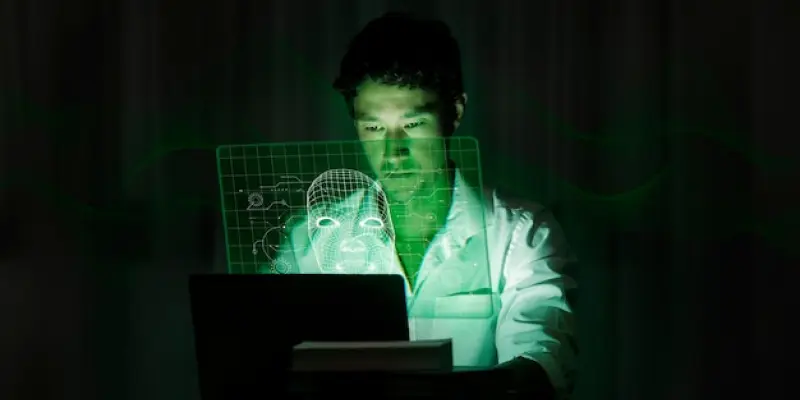
The arrest of Jeffrey Bowie, the CEO of Oklahoma City-based cybersecurity firm Veritaco, over charges of installing malware on hospital computers has shone a glaring and urgent light on a pervasive issue within healthcare institutions. This episode, which transpired in August 2024 at St. Anthony Hospital, part of the SSM Health network, highlights a pressing question: Are hospitals adequately prepared for insider cybersecurity threats? Unfortunately, this is not an isolated incident. There is a growing pattern of malicious insider activities placing sensitive patient data at risk, raising significant concerns about the cybersecurity measures in place within healthcare facilities.
Insider Threat Incidents in Healthcare
The Case of Jeffrey Bowie
In August 2024, a concerning incident unfolded at St. Anthony Hospital when Jeffrey Bowie was observed accessing an employee’s computer. This observation led to a security camera review, which revealed Bowie attempting to enter several offices within the hospital. Allegedly, Bowie installed malware on hospital computers designed to take screenshots every 20 minutes and transmit them to an external IP address. Although St. Anthony Hospital confirmed that patient information remained unaffected, the incident underscores the vulnerabilities within healthcare security systems. Upon discovering Bowie’s actions, the hospital promptly reported the breach, resulting in Bowie’s arrest on April 14 of the current year. The relationship between Bowie and the hospital remains unclear; however, his LinkedIn profile describes Veritaco as a firm specializing in cybersecurity, digital forensics, and private intelligence. As of now, Veritaco’s website is offline, and Bowie has refrained from commenting on the situation. This incident highlights the alarming reality that insider threats in hospitals can stem from individuals who might appear as trusted partners or consultants. The case underscores the importance of implementing stringent vetting processes for third-party service providers and maintaining rigorous internal security protocols. Hospitals must recognize that no one is exempt from scrutiny, especially those with elevated access to critical systems and sensitive information.
Broader Patterns of Insider Threats
Unfortunately, Bowie’s case is not an anomaly. Recent years have seen a disturbing rise in insider threats across healthcare institutions. For example, a physical therapist was found illicitly accessing sensitive patient records at a hospital where they were not employed. Similarly, a pharmacist used spyware to monitor colleagues for over a decade. These actions are often driven by a range of motives, including greed, fear, or mental conditions such as narcissism. According to regulatory attorney Rachel Rose, the motivations behind such activities can be complex and varied, but the consequences remain consistent—significant breaches of trust and potential compromise of patient data. These examples underscore the multifaceted nature of insider threats. It is not just external attackers that pose risks to healthcare cybersecurity; insiders with access to sensitive data can exploit their positions for malicious purposes. Hospitals must acknowledge the diverse motivations that drive insider threats and implement comprehensive security measures tailored to address these varied risks.
Safeguards and Monitoring in Healthcare
Technical Safeguards
To protect against such insider threats, organizations must establish robust technical safeguards designed to detect both internal and external malware threats. One crucial step is conducting an annual risk analysis to identify potential vulnerabilities within the system. This comprehensive evaluation can highlight the areas where the most significant threats are likely to emerge, enabling the implementation of targeted security measures. Moreover, hospitals should ensure proper storage and regular review of security camera footage. By implementing stringent retention practices, institutions can maintain a detailed record of all activities within sensitive areas, facilitating the prompt identification and investigation of any suspicious behavior. Hospitals must also employ intrusion detection systems (IDS) and other advanced monitoring tools. These technologies help detect anomalies and unauthorized activities in real time, allowing for swift responses to potential insider threats. Furthermore, encryption and access controls should be standard practices to safeguard sensitive data from unauthorized access.
Staff Training and Awareness
Beyond technical measures, educating staff about the significance of cybersecurity cannot be overstated. Regular training sessions on recognizing and reporting suspicious activities can help staff become the first line of defense against insider threats. Employees should be encouraged to maintain a culture of vigilance and accountability, understanding that their actions directly impact the organization’s security posture. Creating anonymous reporting channels for suspicious behavior can further empower staff to take action without fear of retribution. By fostering an environment where employees feel safe to report concerns, hospitals can proactively address potential threats before they escalate into significant security breaches.
Addressing Insider Threats: A Multifaceted Approach
Role of Leadership
Leadership plays a critical role in shaping and enforcing organizational policies and culture. Hospital executives must prioritize cybersecurity at every level of the institution, ensuring that policies are not only well-defined but also rigorously enforced. By making cybersecurity a central focus of the organization’s mission, leaders can drive the adoption of best practices and robust security protocols. Moreover, executives should lead by example, demonstrating a commitment to cybersecurity by adhering to policies and actively participating in training initiatives. This top-down approach reinforces the message that cybersecurity is integral to the organization’s success.
Policy Development and Enforcement
The arrest of Jeffrey Bowie, CEO of the Oklahoma City-based cybersecurity firm Veritaco, on charges of installing malware on hospital computers, has spotlighted a critical issue within healthcare institutions. This incident, occurring in August 2024 at St. Anthony Hospital, which is part of the SSM Health network, begs the question: Are hospitals adequately equipped to handle insider cybersecurity threats? Sadly, this is not an isolated case. A growing trend of malicious insider activities is emerging, putting sensitive patient information at substantial risk and raising significant concerns about the current cybersecurity measures in place within healthcare facilities. As more incidents like this come to light, it becomes increasingly imperative for hospitals to reassess their cybersecurity protocols. They need to ensure robust defenses against those who might exploit internal access to sensitive data. This case emphasizes the important challenge of keeping patient data safe in a landscape where threats can come from within the organization itself.