

The Paradox of Peak Performance and Impending Scarcity
The global smartphone market is currently a tale of two conflicting realities, where technological ambition is soaring to unprecedented heights just as the foundational components that support it threaten to become scarce. On one hand, the industry is witnessing a parade of ultra-powerful devices, with brands like OnePlus and Honor launching models like the 15R and Win, respectively. These phones are not just incremental updates; they represent leaps in processing power, battery life, and display technology, setting a new standard for what consumers expect from a high-end device.
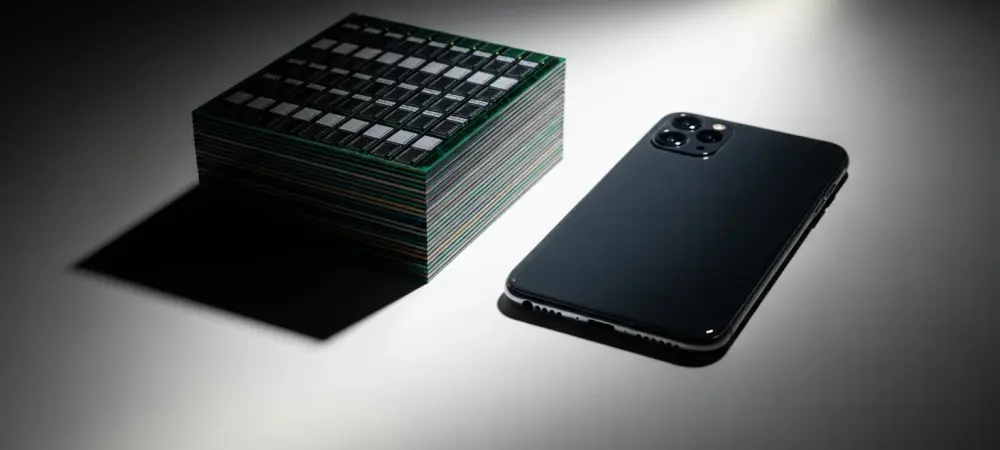
This wave of peak performance, however, is cresting at a precarious moment. Reports are beginning to circulate about a significant, impending shortage of memory chips—the very components that enable the fluid, multitasking experiences these flagships promise. This creates a fundamental tension that puts the industry at a crossroads. The central question now is whether we are experiencing the final, spectacular surge of spec-heavy smartphones before manufacturers are forced into a market-wide reality check, compelling a drastic re-evaluation of hardware priorities.
Navigating the Collision Between Ambition and Reality
The Unrelenting March of High-Performance Hardware
The industry’s “more is more” philosophy is on full display with a flurry of recent and upcoming releases. Xiaomi’s global rollout of its Redmi Note 15 series and Realme’s anticipated 16 Pro, which boasts a 200MP camera, serve as clear evidence that the race for superior specifications is far from over. Today’s top-tier devices are defined by components that would have been considered excessive just a few years ago, from Snapdragon 8 Gen 5 chipsets to colossal 10,000mAh batteries. This aggressive push for cutting-edge performance has conditioned consumers to expect continuous, exponential growth in power and capability. However, this relentless march forward places immense and perhaps unsustainable pressure on the global supply chain responsible for producing these advanced components.
A Looming Crisis on the Horizon: The Memory Chip Shortage
Contradicting this hardware-centric ambition is a critical report detailing an impending memory chip crisis that threatens to derail the market’s trajectory. The potential consequences are significant, with industry analysis suggesting the trend of offering 16GB of RAM in flagship phones could come to an abrupt halt. More alarmingly, the shortage could even precipitate the return of devices with as little as 4GB of RAM, a configuration now common only in entry-level models. This supply-side pressure is also expected to trigger price hikes, as seen with Samsung’s anticipated adjustments for its mid-range phones. Such a development poses a direct risk to the very definition of a “flagship,” raising the question of whether manufacturers can maintain a premium performance standard with constrained memory resources.
Apple’s Long Game Versus the Industry’s Immediate Problem
While many Android manufacturers grapple with these immediate supply chain threats, Apple appears to be playing a different game entirely. A recent leak from an early iOS 26 beta revealed an ambitious, long-term roadmap that includes next-generation M5 and M6 MacBooks and even a foldable iPhone. This forward-looking vision stands in stark contrast to the reactive scramble many competitors may soon face. Apple’s vertically integrated strategy, which gives it significant control over its hardware and software ecosystem, raises the question of whether it is better insulated from market-wide shortages. It challenges the assumption that all companies are equally exposed, suggesting that ecosystem control may provide a powerful buffer against the turbulence of the component market.
The Consumer Crossroads: Re-evaluating What “Flagship” Truly Means
A potential memory downgrade would inevitably force a shift in consumer perception, moving the focus from raw specifications to the overall quality of the user experience. This situation creates a crossroads where the value proposition of a smartphone is re-evaluated. Hardware-heavy devices that prioritize sheer power would be weighed against competitors that emphasize software optimization, camera intelligence, and seamless ecosystem integration. Ultimately, this crisis could inadvertently spark a new and necessary wave of innovation. Instead of simply adding more gigabytes of RAM, developers might be pushed to create more efficient software that delivers a premium, fluid experience without relying on brute-force hardware.
Strategic Imperatives for a Resource-Constrained Market
The primary takeaway is clear: the smartphone industry’s relentless pursuit of ever-higher specs is on a direct collision course with the physical limitations of the global supply chain. This emerging reality necessitates a strategic shift for both consumers and manufacturers. Buyers are advised to look beyond headline-grabbing RAM figures and instead consider a more holistic view of performance, including factors like software support longevity, chipset efficiency, and the overall optimization of the device. For manufacturers, the path forward involves prioritizing the diversification of their supply chains while simultaneously investing in software-driven solutions that can deliver a premium feel without an ever-increasing reliance on memory.
Redefining Progress in the Next Era of Smartphones
The current surge in high-spec phones may have represented a peak before a necessary period of hardware consolidation and strategic re-alignment. The memory chip crisis was more than a temporary setback; it acted as a catalyst that could reshape industry priorities for years to come, forcing a move away from a numbers-driven marketing strategy. The final analysis suggested that the next truly innovative flagship would not be defined by its memory capacity, but rather by its intelligence, efficiency, and its ability to deliver a superior experience through smarter, more optimized design.