

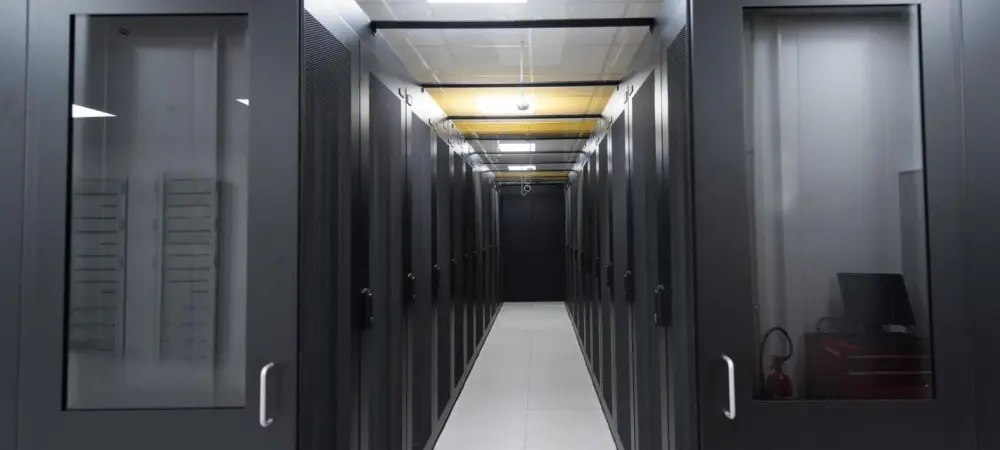
In today’s rapidly evolving technological landscape, organizations face a crucial decision in selecting the optimal data center infrastructure. The central question often revolves around whether to adopt data center appliances or stick to traditional setups that require piecemeal assembly of IT components. Data center appliances are gaining traction due to their streamlined and pre-configured nature, offering hardware and software solutions in one package ready for immediate use. As pressures mount for efficient data management, cost optimization, and resource conservation, these appliances present an intriguing alternative to the traditional deployment of servers, software, and other operational components.
Understanding the Appeal of Data Center Appliances
The allure of data center appliances lies in their ability to simplify complex IT operations. These are ready-made, plug-and-play solutions that significantly reduce setup time compared to conventional methods. Enterprises adopting these appliances benefit from minimal administrative overhead and swift deployment, contrasting the resource-intensive nature of traditional setups. This approach is particularly beneficial for businesses that prioritize speed and convenience in their operations. Whether functioning as network routers, load balancers, or specialized systems for machine learning models, data center appliances cover a range of use cases through effective solutions condensed into single units. Furthermore, they promise seamless support experiences due to the single-vendor model, reducing the complications associated with engaging multiple vendors for individual components.
Beyond operational ease, data center appliances offer substantial advantages in technical support. Unlike traditional models with fragmented vendor responsibilities, these appliances provide comprehensive, end-to-end support, simplifying troubleshooting and maintenance. This consolidated approach reduces the risk associated with managing multiple disparate systems and streamlines interactions between support personnel and the business. As more organizations strive for efficient and cohesive IT configurations, the appeal of consolidated appliances has grown, making them an attractive proposition for IT managers looking to optimize infrastructure management without sacrificing operational integrity.
Balancing Pros and Cons
Despite the convenience that data center appliances offer, potential drawbacks must be considered. One notable disadvantage is their limited customization. Organizations that require unique configurations face restrictions with these pre-configured systems. Such limitations might hinder tailoring the appliance to specific business requirements, leading enterprises to opt for more flexible solutions. Alongside personalized configurations, the reliance on single vendors for ongoing support and upgrades introduces risks. Should vendor partnerships falter, operational stability could be compromised, presenting challenges in terms of dependency and adaptability to evolving technological needs.
Cost implications also play a significant role in assessing the feasibility of data center appliances. While convenience is paramount, these packages often carry a price premium over traditional models assembled with individually sourced components. Moreover, they do not eliminate all infrastructure requirements. Networking, cooling, and physical server rack management remain integral to maintaining operational efficiency. For larger-scale operations and businesses possessing unique demands, the cost consideration could negate the appliance’s advantages, prompting IT strategists to evaluate traditional setups that provide the flexibility needed for custom solutions over potential cost savings of pre-packaged appliances.
Strategic Decision-Making
Examining trends in technological deployments reveals that data center appliances are often better suited for small-scale or niche projects. These environments prioritize ease of setup and rapid deployment due to time constraints or specific functional requirements. However, larger enterprises requiring bespoke solutions or ongoing adaptability might find traditional deployments appealing despite their setup complexity. Each organization must assess its own strategic needs against the flexibility offered by custom builds and the immediate deployment advantages of data center appliances. Evaluating existing infrastructure alongside long-term growth plans will aid in determining if these appliances align with overarching business objectives. The strategic decision of whether to implement data center appliances involves weighing multiple factors, including operational efficiency, customization needs, vendor reliability, and cost considerations. While appliances offer immediate deployment benefits, strategic decision-makers must also recognize their limitations within expansive enterprise environments, ensuring alignment with both current operations and future growth. Careful evaluation of long-term goals compared to immediate advantages presented by data center appliances can inform balanced and justified decisions and lead to the selection of solutions meeting complex organizational requirements.
Conclusion: A Nuanced Perspective
In the ever-changing world of technology, organizations must make a significant decision regarding their data center infrastructure. The core dilemma centers on whether to adopt modern data center appliances or stick to the conventional approach of piecemeal IT component assembly. Data center appliances are becoming more popular due to their efficiency; they’re pre-configured solutions combining both hardware and software, making them ready for immediate use. Such appliances simplify deployment, saving time and reducing complexity for IT departments. As businesses increasingly demand effective data management, cost-efficiency, and sustainable resource use, these appliances offer an appealing alternative. They reduce the need for intricate configuration of separate servers, software, and various operational tools. Choosing the right infrastructure is crucial as it directly impacts an organization’s operational efficiency, scalability, and overall success. This shift towards integrated appliances reflects a broader trend in technology where simplicity and performance drive adoption.